Can FFU and HEPA BOX be used in a hospital environment?
In the realm of healthcare, maintaining a clean and sterile environment is of utmost importance. Hospitals are places where patients are at their most vulnerable, and the presence of contaminants such as dust, bacteria, and viruses can pose significant risks to their health. This is where Fan Filter Units (FFU) and HEPA BOX systems come into play. As a leading supplier of FFU and HEPA BOX products, I am often asked whether these systems can be effectively used in a hospital environment. In this blog post, I will explore the capabilities and benefits of FFU and HEPA BOX in the context of hospitals, and provide insights into their suitability for this critical setting.
Understanding FFU and HEPA BOX
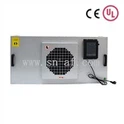
Before delving into their applicability in hospitals, it's essential to understand what FFU and HEPA BOX are. A Fan Filter Unit is a self - contained, pre - fabricated unit that consists of a fan and a filter. The fan draws in air and forces it through the filter, removing particles from the air. FFUs are highly versatile and can be installed in various configurations, such as ceiling - mounted or wall - mounted, depending on the specific requirements of the space.
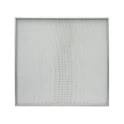
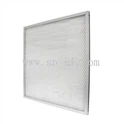
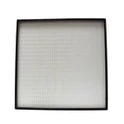
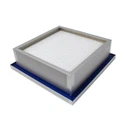
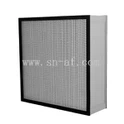
On the other hand, a HEPA BOX is a housing unit that contains a High - Efficiency Particulate Air (HEPA) filter. HEPA filters are designed to trap at least 99.97% of particles that are 0.3 micrometers in diameter or larger. Roomside Replaceable HEPA Box is a type of HEPA BOX that allows for easy filter replacement from the room side, which is particularly useful in areas where access to the filter from the ceiling or other external areas is difficult.


The Need for Clean Air in Hospitals
Hospitals are unique environments with high - risk areas that require strict air quality control. Operating rooms, intensive care units (ICUs), isolation rooms, and neonatal care units are just a few examples of areas where clean air is crucial. In operating rooms, for instance, any airborne contaminants can potentially cause surgical site infections, which can lead to serious complications for patients. Similarly, in isolation rooms, the goal is to prevent the spread of infectious diseases from the patient to the surrounding environment and other patients.
The World Health Organization (WHO) has set guidelines for air quality in healthcare facilities, emphasizing the importance of controlling airborne particles and microorganisms. Meeting these standards is not only a matter of patient safety but also a regulatory requirement in many regions.
Advantages of Using FFU and HEPA BOX in Hospitals
1. High - Efficiency Filtration
The primary advantage of using FFU and HEPA BOX in hospitals is their ability to provide high - efficiency filtration. HEPA filters are capable of removing a wide range of particles, including dust, pollen, mold spores, bacteria, and viruses. This helps to create a clean and sterile environment, reducing the risk of airborne infections. For example, in a study published in the American Journal of Infection Control, it was found that the use of HEPA filters in operating rooms significantly reduced the incidence of surgical site infections.
2. Customizability
FFUs and HEPA BOXes offer a high degree of customizability. They can be configured to meet the specific air volume, pressure, and filtration requirements of different hospital areas. For instance, in a large - scale operating room, multiple FFUs can be installed in a grid pattern to ensure uniform air distribution and high - level filtration. Additionally, Gel Seal Terminal HEPA / ULPA Module provides a more reliable seal, further enhancing the filtration efficiency and preventing the leakage of contaminated air.
3. Energy Efficiency
Modern FFUs are designed to be energy - efficient. They use advanced fan technologies, such as electronically commutated motors (ECMs), which consume less energy compared to traditional motors. This not only reduces the operational costs for hospitals but also aligns with the growing trend towards sustainable healthcare facilities.
4. Easy Maintenance
FFUs and HEPA BOXes are relatively easy to maintain. With room - side replaceable HEPA BOXes, filter replacement can be carried out without the need for extensive downtime or complex procedures. This is especially important in a hospital setting, where minimizing disruption to patient care is crucial.
Challenges and Considerations
While FFU and HEPA BOX systems offer many benefits, there are also some challenges and considerations to keep in mind when using them in hospitals.
1. Initial Cost
The initial investment for installing FFU and HEPA BOX systems can be relatively high. However, it's important to consider the long - term benefits, such as reduced healthcare - associated infections and lower maintenance costs. In the long run, the cost - effectiveness of these systems becomes more apparent.
2. Noise Levels
FFUs can generate some noise, which may be a concern in areas where a quiet environment is essential, such as ICUs and neonatal care units. However, modern FFUs are designed to operate at lower noise levels, and proper installation and acoustic insulation can further mitigate this issue.
3. Compatibility with Existing Systems
When installing FFU and HEPA BOX systems in an existing hospital, compatibility with the existing heating, ventilation, and air - conditioning (HVAC) systems needs to be carefully considered. A thorough assessment by a qualified HVAC engineer is recommended to ensure seamless integration.
Case Studies
Several hospitals around the world have successfully implemented FFU and HEPA BOX systems. For example, a large teaching hospital in Europe installed a comprehensive FFU and HEPA BOX system in its operating rooms. After the installation, the hospital reported a significant reduction in surgical site infections, which not only improved patient outcomes but also saved costs associated with treating these infections.
In another case, a pediatric hospital in Asia installed room - side replaceable HEPA BOXes in its isolation rooms. The easy - to - replace filters allowed the hospital staff to quickly change the filters as needed, ensuring continuous protection against airborne infections.
Conclusion
In conclusion, FFU and HEPA BOX systems are highly suitable for use in a hospital environment. Their high - efficiency filtration, customizability, energy efficiency, and ease of maintenance make them valuable tools for maintaining clean air in critical healthcare areas. While there are some challenges, such as initial cost and noise levels, these can be effectively managed with proper planning and installation.
As a supplier of FFU and HEPA BOX products, we are committed to providing high - quality solutions that meet the unique needs of hospitals. If you are interested in learning more about our products or discussing how they can be integrated into your hospital's HVAC system, we encourage you to reach out to us for a detailed consultation. We look forward to the opportunity to work with you to create a safer and healthier environment for your patients.
References
- American Journal of Infection Control. (Year). Study on the impact of HEPA filters in operating rooms.
- World Health Organization. (Year). Guidelines for air quality in healthcare facilities.