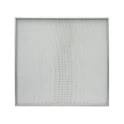
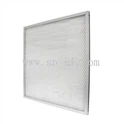
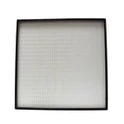
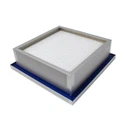
Hey there! As a supplier of Synthetic Pocket Filters, I often get asked whether these nifty filters can hold up in high - temperature environments. Let's dig deep into this topic and find out the ins and outs.
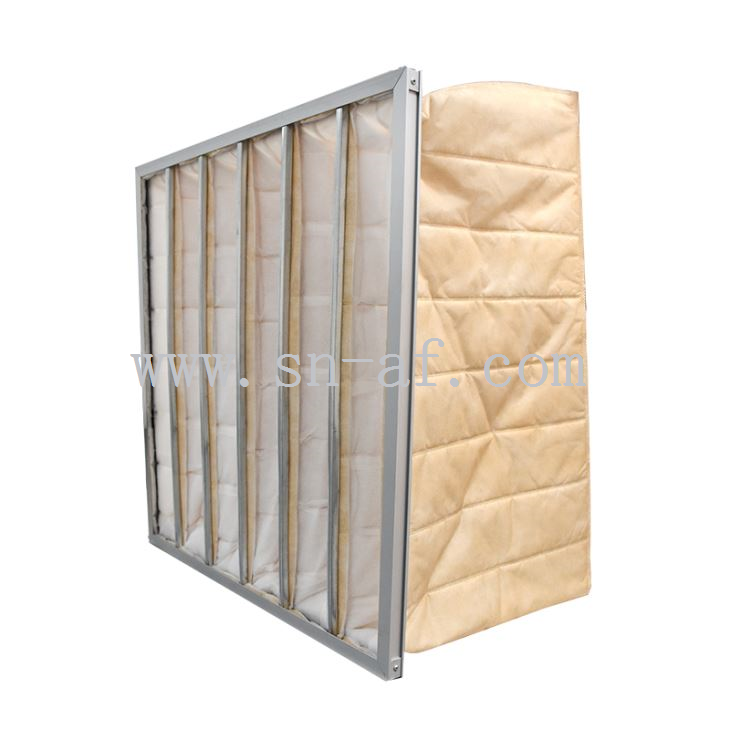
First off, what exactly is a Synthetic Pocket Filter? Well, it's a type of air filter designed to trap dust, pollen, and other airborne particles. You can check out more about it on our website: Synthetic Pocket Filter. These filters are made from synthetic materials, which give them certain advantages over other types of filters, like better durability and efficiency.
Now, let's talk about high - temperature environments. High - temperature areas can vary a lot, from industrial ovens to the engine rooms of ships. The temperature in these places can reach well over 100 degrees Celsius, and sometimes even higher. In such extreme conditions, regular filters might not cut it.
The performance of a Synthetic Pocket Filter in high - temperature settings depends on a few key factors. One of the most important is the material it's made of. Most synthetic pocket filters are made from materials like polyester or polypropylene. These materials are known for their good chemical resistance and mechanical strength. However, their heat resistance can vary.
Polyester, for example, has a relatively high melting point. It can usually withstand temperatures up to around 150 - 200 degrees Celsius without significant damage. This means that in many moderately high - temperature environments, a polyester - based Synthetic Pocket Filter can work just fine. It will continue to trap particles and keep the air clean, as long as the temperature doesn't go beyond its limit.
On the other hand, polypropylene has a lower melting point, typically around 130 - 160 degrees Celsius. So, in very high - temperature environments, a polypropylene filter might start to deform or even melt. This can lead to a loss of filtering efficiency and potentially damage the filter housing.
Another factor to consider is the construction of the filter. A well - constructed Synthetic Pocket Filter with proper reinforcements and sealing can perform better in high - temperature conditions. The seams and edges of the filter should be able to withstand the heat without coming apart. If the filter is poorly made, the high temperature can cause the seams to break, allowing unfiltered air to pass through.
Let's take a look at some real - world applications. In a food processing plant, there are often ovens and other high - temperature equipment. A Synthetic Pocket Filter can be used to keep the air in the processing area clean, preventing contaminants from getting into the food. As long as the temperature in the area doesn't exceed the filter's heat - resistant limit, it can do a great job.
In an automotive manufacturing plant, the paint - drying ovens operate at high temperatures. Here, choosing the right Synthetic Pocket Filter is crucial. If you pick a filter with the wrong material or construction, it won't last long, and you'll end up with a dirty paint booth and poor - quality paint jobs.
If you're in the market for a filter for a high - temperature environment, you might want to check out our Pocket Air Filter F5. It's a popular choice that offers good performance and durability.
Now, I know you might be wondering about some of the limitations. Even if a Synthetic Pocket Filter can withstand high temperatures, there are still some things to watch out for. Over time, exposure to high heat can cause the filter material to become brittle. This means it might break more easily, reducing its lifespan.

Also, high temperatures can sometimes affect the electrostatic charge of the filter. Many synthetic filters use electrostatic properties to attract and trap particles more effectively. When the temperature gets too high, this charge can dissipate, leading to a decrease in filtering efficiency.
To get the most out of a Synthetic Pocket Filter in a high - temperature environment, proper maintenance is key. Regularly check the filter for signs of damage, such as melting or tearing. If you notice any issues, replace the filter immediately. Also, make sure to clean the filter housing and the surrounding area to prevent the build - up of dust and debris, which can further affect the filter's performance.
In some cases, you might need to use additional cooling or ventilation systems to keep the temperature around the filter within an acceptable range. This can help extend the life of the filter and ensure it continues to work efficiently.
So, can a Synthetic Pocket Filter be used in a high - temperature environment? The answer is yes, but with some caveats. You need to choose the right filter material, ensure proper construction, and carry out regular maintenance.
If you're interested in learning more about our Synthetic Pocket Filters or need help choosing the right one for your high - temperature application, don't hesitate to reach out. We're here to assist you in making the best decision for your air - filtering needs. Whether you're running an industrial facility or a small business, we have the expertise and the products to meet your requirements. Let's have a chat and see how we can work together to keep your air clean and your operations running smoothly.
References:
- Air Filtration Handbook, 3rd Edition
- Journal of Industrial and Engineering Chemistry Research on high - temperature filter performance
- Technical documents from synthetic filter material manufacturers