What are the maintenance requirements for ULPA Filters?
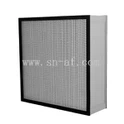
As a leading ULPA filter supplier, I understand the critical role these filters play in various industries. ULPA (Ultra-Low Penetration Air) filters are designed to achieve a very high level of air purification, removing up to 99.9995% of particles as small as 0.12 microns. To ensure their optimal performance and longevity, proper maintenance is essential. In this blog post, I will delve into the key maintenance requirements for ULPA filters, providing you with valuable insights to keep your air filtration systems running smoothly.
Initial Installation and Inspection
The first step in maintaining ULPA filters begins with correct installation. It is crucial to follow the manufacturer's instructions precisely during installation. Any improper handling or installation can compromise the filter's integrity, leading to reduced filtration efficiency. Before installation, a thorough inspection of the filter is necessary. Check for any visible damage, such as tears, punctures, or deformities in the filter media. Even minor damage can significantly affect the filter's performance, so it's important not to overlook these details.
Once the filter is installed, verify the sealing around the filter housing. A proper seal is essential to prevent air bypass, which can allow unfiltered air to enter the system. You can perform a simple visual inspection or use specialized equipment to detect any air leaks. Ensuring a tight seal enhances the overall efficiency of the ULPA filter, maximizing its ability to capture particles.
Regular Monitoring of Pressure Drop
One of the most important maintenance tasks for ULPA filters is monitoring the pressure drop across the filter. Pressure drop refers to the difference in air pressure between the upstream and downstream sides of the filter. As the filter captures particles over time, the pressure drop increases. This increase is an indication of the filter's loading and can help you determine when it needs to be replaced.
Regularly measuring the pressure drop allows you to track the filter's performance and predict its lifespan. You can use a differential pressure gauge to monitor the pressure drop accurately. Establish a baseline pressure drop reading when the filter is new and compare subsequent readings to this baseline. If the pressure drop exceeds the manufacturer's recommended limit, it is a sign that the filter is approaching the end of its useful life and should be replaced.
Cleaning and Sanitization
While ULPA filters are not typically designed to be cleaned, in some cases, a gentle cleaning process may be possible. However, it is important to note that cleaning should only be attempted if the manufacturer specifically recommends it. Improper cleaning can damage the filter media and reduce its effectiveness.

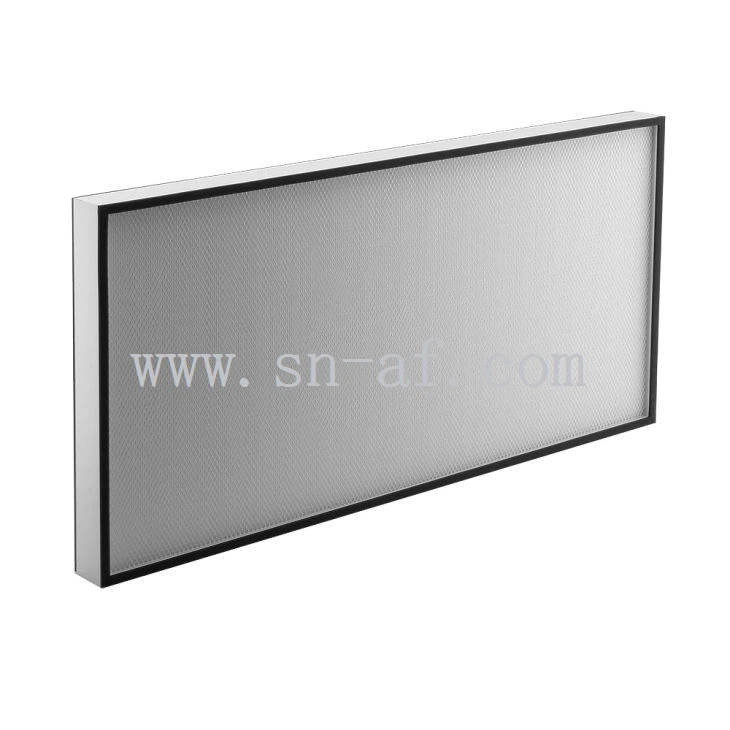
If cleaning is an option, use a soft brush or compressed air to remove loose particles from the surface of the filter. Be careful not to apply too much pressure, as this can cause damage. After cleaning, the filter may need to be sanitized to prevent the growth of microorganisms. Consult the manufacturer's guidelines for the appropriate sanitization method and chemicals to use.
Filter Replacement
Ultimately, all ULPA filters will need to be replaced at some point. The frequency of replacement depends on several factors, including the operating environment, the level of particle contamination, and the filter's rated capacity. Regularly monitoring the pressure drop, as mentioned earlier, is the most reliable way to determine when replacement is necessary.
When replacing a ULPA filter, it is important to follow proper procedures to avoid contamination. Wear appropriate personal protective equipment (PPE), such as gloves and a mask, to prevent the release of particles from the old filter. Carefully remove the old filter and dispose of it in accordance with local regulations. Install the new filter following the manufacturer's instructions, ensuring a proper seal.
Environmental Considerations
The operating environment can have a significant impact on the maintenance requirements of ULPA filters. In environments with high levels of particle contamination, such as industrial settings or areas with heavy traffic, the filters may need to be replaced more frequently. Additionally, factors such as humidity, temperature, and chemical exposure can also affect the filter's performance and lifespan.
To minimize the impact of the environment on the filters, it is important to control these variables as much as possible. For example, maintaining proper humidity levels can prevent the growth of mold and bacteria on the filter media. Regularly inspecting the operating environment for any potential sources of contamination and taking appropriate measures to address them can also help extend the life of the ULPA filters.
Choosing the Right ULPA Filter
Selecting the appropriate ULPA filter for your specific application is crucial for reducing maintenance requirements and ensuring optimal performance. Different filters have different ratings and specifications, so it's important to choose one that matches the needs of your system.
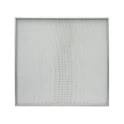
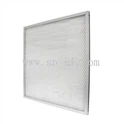
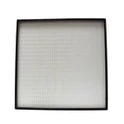
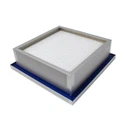
For applications that require the highest level of filtration, such as semiconductor manufacturing or pharmaceutical production, U17 Mini-Pleat ULPA Filter may be the best choice. These filters offer extremely high efficiency in capturing ultrafine particles. If your requirements are slightly less stringent, U15 Mini-Pleat ULPA Filter or U16 Mini-Pleat ULPA Filter may be more suitable.
Conclusion
Proper maintenance of ULPA filters is essential for ensuring their optimal performance and longevity. By following the maintenance requirements outlined in this blog post, including initial installation and inspection, regular monitoring of pressure drop, appropriate cleaning and sanitization, timely filter replacement, and considering environmental factors, you can keep your air filtration systems running efficiently.
If you have any questions about ULPA filter maintenance or are interested in purchasing high-quality ULPA filters for your application, please feel free to reach out. Our team of experts is ready to assist you in making the right choices and ensuring the success of your air purification system.
References
- "ULPA Filters: Design, Performance, and Applications" - A technical guide on ULPA filters.
- Manufacturer's manuals for ULPA filters, which provide detailed maintenance instructions.