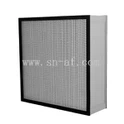
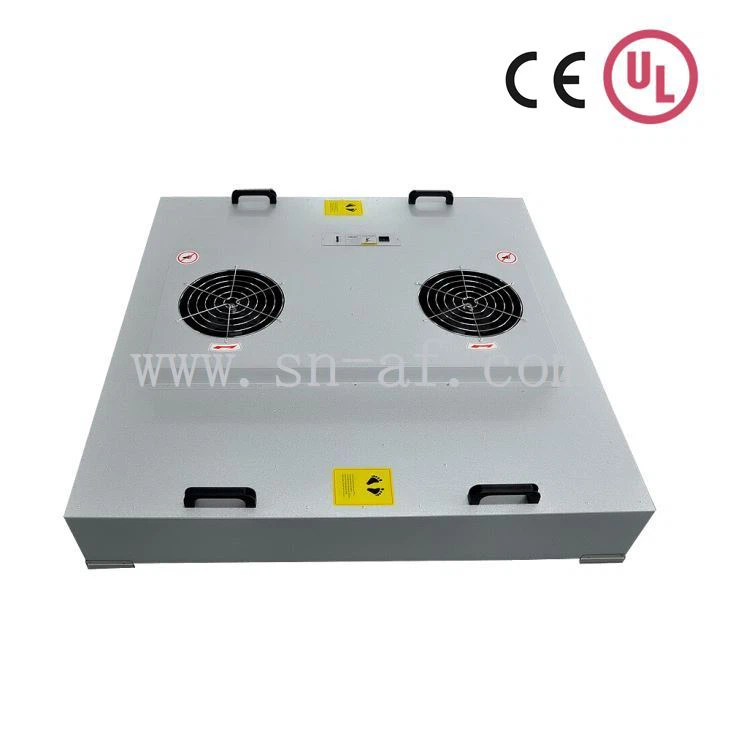
Hey there! As a supplier of Fan Filter Units (FFUs), I've seen firsthand how static pressure can have a huge impact on their performance. So, let's dive into the nitty - gritty of how static pressure affects these essential pieces of equipment.
What is Static Pressure?
Before we get into how it affects FFUs, let's quickly go over what static pressure is. Static pressure is basically the resistance that air encounters as it moves through a system. Think of it like trying to push water through a narrow pipe. The narrower the pipe, the more resistance there is, and the harder you have to push. In the context of FFUs, static pressure is created by things like filters, ducts, grilles, and any other obstructions in the air - flow path.
How Static Pressure Affects the Airflow of a Fan Filter Unit
The most immediate impact of static pressure on an FFU is on its airflow. You see, FFUs are designed to move a certain amount of air through a space to keep it clean and well - ventilated. But when there's high static pressure, it's like asking the fan in the FFU to run uphill all the time.
A fan in an FFU can only exert so much force to move air. When the static pressure is low, the fan can easily push air through the filters and into the space, resulting in a higher airflow rate. But as the static pressure increases, the fan has to work harder just to maintain the same level of airflow. Eventually, if the static pressure gets too high, the fan won't be able to push as much air, and the airflow rate will drop. This is a big deal, especially in cleanrooms where a consistent and sufficient airflow is crucial for maintaining air quality.
Impact on Energy Consumption
I'm sure you can guess what happens when an FFU fan has to work harder to overcome high static pressure. Yup, it uses more energy! You know, just like you'd burn more calories running uphill compared to running on a flat surface.
When the static pressure in an FFU system goes up, the fan motor has to draw more power to keep the air moving. This not only increases your energy bills but also means that the motor is under more stress. Over time, this can lead to premature wear and tear of the motor, reducing the lifespan of your Fan Filter Unit.
Noise Levels
Another aspect that gets affected by static pressure is the noise level of the FFU. As the fan tries to overcome the high static pressure, it has to spin faster and work harder, which creates more noise. You can imagine it's like a jet engine trying to take off - the more resistance it faces, the louder it gets.
In a cleanroom environment, excessive noise can be a real problem. It can disrupt the work of the people in the room and may even violate noise regulations. So, if you're dealing with high static pressure in your FFUs, you might find yourself in a situation where the noise is becoming a nuisance.
Filter Life
Filters are a key component of FFUs, and static pressure has a direct impact on their lifespan. When the static pressure is low, the air flows through the filter more smoothly, and the filter can do its job of capturing particles without getting too clogged up too quickly.
However, when the static pressure is high, the air is forced through the filter at a higher velocity. This can cause particles to get trapped in the filter more tightly, and it can also lead to more particles being forced into the filter media. As a result, the filter will clog up faster, and you'll have to replace it more often. That means more maintenance costs and downtime for your FFU system.
Strategies to Deal with Static Pressure
Now that we know how static pressure can affect the performance of FFUs, what can we do about it? Well, one option is to choose an FFU with a more powerful fan that can handle higher static pressures. But this isn't always the best solution, as it can increase energy consumption and noise levels.
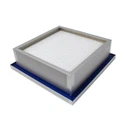
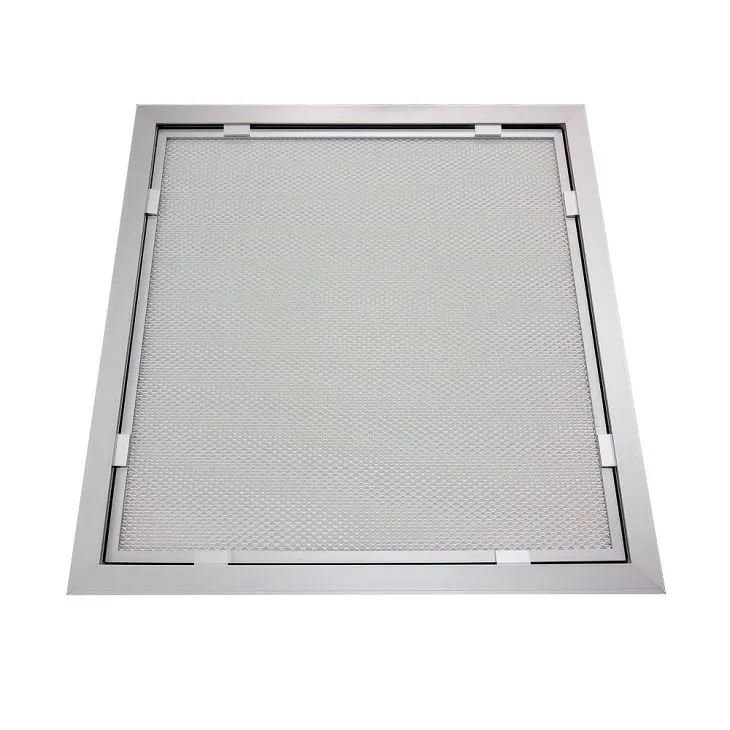
Another approach is to optimize the design of your ventilation system. Make sure that the ducts are not too narrow, and that there are no unnecessary obstructions in the air - flow path. You can also consider using Gel Seal Terminal HEPA / ULPA Module or Roomside Replaceable HEPA Box, which are designed to have lower resistance to air - flow.
Regular maintenance is also crucial. By regularly cleaning or replacing the filters, you can keep the static pressure in check. It's like taking your car for regular servicing to keep it running smoothly.
Importance of Correctly Assessing Static Pressure
When it comes to installing or upgrading an FFU system, correctly assessing the static pressure is vital. If you underestimate the static pressure, your FFU may not be able to provide enough airflow, and you'll end up with a poorly ventilated and dirty space. On the other hand, if you overestimate it, you may end up with an oversized and more expensive FFU system that consumes more energy than necessary.
That's where we, as an FFU supplier, come in. We have the expertise and experience to help you accurately assess the static pressure in your environment and choose the right FFU for your needs. Whether it's a small - scale cleanroom or a large industrial facility, we can provide you with customized solutions.
Conclusion
So, there you have it - a breakdown of how static pressure affects the performance of a Fan Filter Unit. From airflow and energy consumption to noise levels and filter life, static pressure plays a crucial role in the overall effectiveness of your FFU system.
If you're in the market for a new FFU or looking to upgrade your existing system, don't overlook the importance of static pressure. We're here to assist you every step of the way. Whether you have questions about static pressure, need help selecting the right FFU, or want to discuss maintenance strategies, we're just a conversation away. Reach out to us to start the procurement process and let us help you find the perfect solution for your cleanroom or ventilation needs.
References
- ASHRAE Handbook - HVAC Systems and Equipment
- Fan Manufacturers Association Technical Papers
- Industry research reports on cleanroom technology and ventilation systems