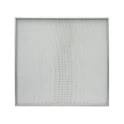
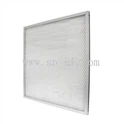
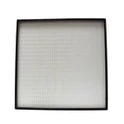
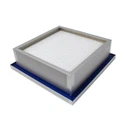
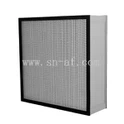
Hey there! As a supplier of pleating HEPA air filters, I often get asked about how to measure for these filters. It's a crucial step because getting the measurements right ensures that the filter fits perfectly and works efficiently. In this blog, I'll walk you through the whole process of measuring for a pleating HEPA air filter.
First off, let's understand why accurate measurements matter. A HEPA (High-Efficiency Particulate Air) filter is designed to trap tiny particles, like dust, pollen, mold spores, and even some bacteria. If the filter doesn't fit properly, air can leak around it, and those harmful particles can bypass the filter and end up in the air you breathe. That's why a precise fit is super important.
Tools You'll Need
Before you start measuring, gather a few basic tools. You'll need a measuring tape – a flexible one is usually best. A notepad and a pen are also handy to jot down your measurements. And if you're measuring in a dark or hard-to-reach place, a flashlight can be really useful.
Measuring the Length and Width
The first thing you need to measure is the length and width of the filter opening. Start by measuring the inside dimensions of the filter frame. Place the measuring tape at one end of the opening and stretch it across to the other end. Make sure the tape is straight and not bent. Write down this measurement as the length.
Next, measure the width in the same way. Measure from one side of the opening to the other, perpendicular to the length you just measured. It's important to measure at a few different points along the length and width because sometimes the frame might not be perfectly square. Take the smallest measurements you get for both length and width. This ensures that the filter will fit snugly into the opening.
Measuring the Depth
The depth of the filter is also crucial. Measure the distance from the front of the filter frame to the back. This measurement is important because different pleating HEPA air filters come in various depths, and you need to make sure the filter you choose has the right depth to fit properly.
When measuring the depth, be careful to measure from the correct points. Some filter frames might have a lip or a flange that you need to account for. Measure to the back of the frame where the filter will actually sit. Again, take a few measurements at different points to make sure you get an accurate depth measurement.
Special Considerations
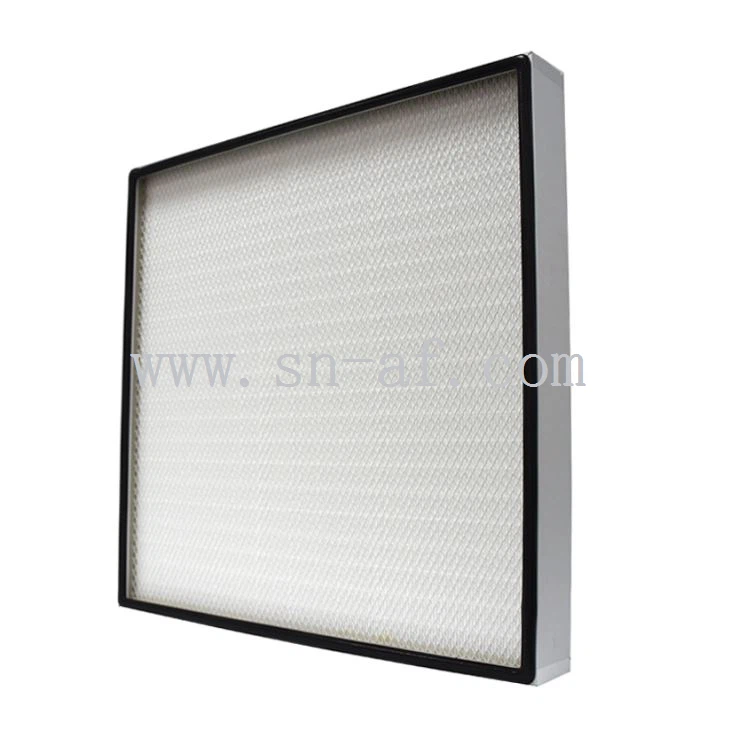
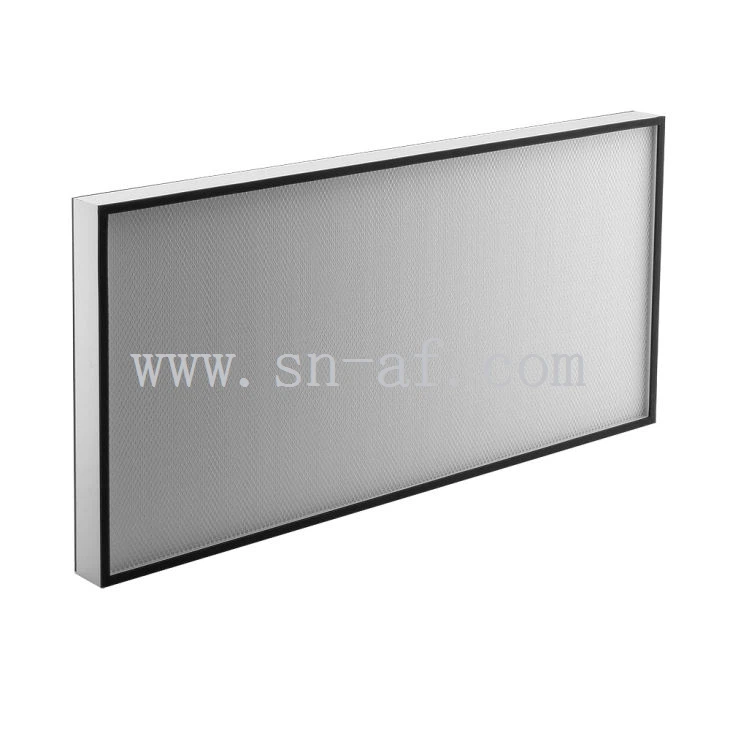
In some cases, you might have a non-standard filter opening. Maybe it's a custom size or an odd shape. If that's the case, you might need to get a custom-made pleating HEPA air filter. We offer custom sizing options for our filters, so don't worry if your measurements don't match the standard sizes we have. Just give us your measurements, and we'll make a filter that fits your needs perfectly.
Another thing to consider is the type of filter you need. We have different types of pleating HEPA air filters, such as Fiberglass Media Gel Seal HEPA Air Filters, Plastic Frame V Bank Air Filter, and Household Type HEPA Filter Made in China. Each type has its own unique features and applications. For example, the Fiberglass Media Gel Seal HEPA Air Filters are great for high-efficiency filtration in industrial settings, while the Household Type HEPA Filter Made in China is perfect for home use.
Double-Checking Your Measurements
Once you've taken all your measurements, it's a good idea to double-check them. Measure again to make sure you didn't make any mistakes. You can also compare your measurements with the specifications of the filter you're interested in. If you're still not sure, you can always contact us, and our team of experts can help you verify your measurements and choose the right filter.
Tips for Measuring in Different Settings
If you're measuring for a filter in a residential setting, like in your home HVAC system, it's usually pretty straightforward. Just follow the steps I mentioned above. But if you're measuring for a filter in an industrial or commercial setting, there might be some additional challenges.
In industrial settings, the filter openings can be larger and more complex. You might need to use a ladder or other equipment to reach the filter. Make sure you take all the necessary safety precautions. Also, industrial filters often have more strict requirements for fit and performance, so it's even more important to get the measurements right.
In commercial settings, like offices or schools, the filter systems can vary widely. Some might have standard-sized filters, while others might have custom setups. Pay attention to the type of filter system you have and measure accordingly.
Conclusion
Measuring for a pleating HEPA air filter might seem like a simple task, but it's really important to do it right. By following the steps I've outlined in this blog, you can ensure that you get accurate measurements and choose the right filter for your needs.
If you have any questions or need help with measuring or choosing a filter, don't hesitate to reach out. We're here to help you make the best decision for your air filtration needs. Whether you need a standard-sized filter or a custom-made one, we have a wide range of options to choose from. Contact us today to start the procurement process and get a high-quality pleating HEPA air filter for your space.
References
- "HEPA Filters: How They Work and Why They're Important" - Air Filtration Association
- "Measuring Guidelines for HVAC Filters" - HVAC Industry Handbook