Can a HEPA filter be used in an airport? That's a question I've been asked a lot lately, especially since the importance of clean air has taken center stage. As a HEPA filter supplier, I'm super excited to dive into this topic and share my thoughts.
First off, let's talk about what a HEPA filter is. HEPA stands for High-Efficiency Particulate Air. These filters are designed to capture at least 99.97% of particles that are 0.3 microns in diameter. That's pretty impressive, right? They can trap all sorts of stuff, like dust, pollen, mold spores, and even some bacteria and viruses.
Now, let's think about airports. Airports are huge, bustling places with thousands of people coming and going every day. There's a ton of traffic, both on the ground and in the air, which means there's a lot of pollution. There are also all kinds of people with different health conditions, so having clean air is crucial.
One of the biggest advantages of using HEPA filters in airports is that they can significantly improve the air quality. With so many people in a confined space, the air can quickly become stale and filled with contaminants. HEPA filters can remove these particles, making the air cleaner and healthier to breathe. This is especially important for people with allergies, asthma, or other respiratory problems.
Another benefit is that HEPA filters can help reduce the spread of airborne diseases. In an airport, people are constantly coughing, sneezing, and breathing out germs. HEPA filters can capture these germs, preventing them from circulating in the air and potentially infecting other people. This can be a game-changer, especially during flu season or when there's a global pandemic.
But it's not just about the health benefits. Using HEPA filters in airports can also have a positive impact on the environment. By removing pollutants from the air, these filters can help reduce the overall pollution levels in and around the airport. This is good for the local community and can also help the airport meet environmental regulations.
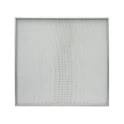
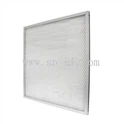
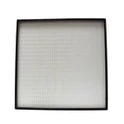
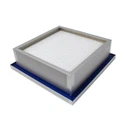
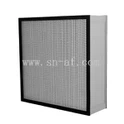
Now, let's talk about the different types of HEPA filters that are suitable for airports. One option is the Gel Seal HEPA Filter. These filters use a special gel seal to ensure a tight fit, which helps prevent air leakage and ensures maximum efficiency. They're also very durable and can last for a long time, making them a great choice for high-traffic areas like airports.


Another option is the Separator HEPA Filter. These filters use a separator to keep the filter media in place, which helps improve the filter's performance and lifespan. They're also relatively easy to install and maintain, which is important in a busy airport environment.
Finally, there's the H14 Mini-Pleat HEPA Filter. These filters are designed to provide high-efficiency filtration in a compact size. They're perfect for use in areas where space is limited, such as airport ventilation systems.
Of course, there are some challenges to using HEPA filters in airports. One of the biggest challenges is the cost. HEPA filters can be more expensive than traditional filters, and the installation and maintenance costs can also add up. However, when you consider the health and environmental benefits, the cost is often worth it.
Another challenge is the size and weight of the filters. Airports have large ventilation systems, so the filters need to be able to handle a high volume of air. This means that the filters can be quite large and heavy, which can make installation and replacement more difficult. However, there are companies that specialize in providing HEPA filters for large-scale applications, so this shouldn't be a major issue.
In conclusion, I believe that HEPA filters can definitely be used in airports. They offer a number of benefits, including improved air quality, reduced spread of airborne diseases, and environmental protection. While there are some challenges to using these filters, the benefits far outweigh the costs.
If you're an airport manager or someone involved in the aviation industry and you're interested in learning more about HEPA filters, I'd love to talk to you. I can provide you with more information about our products, answer any questions you might have, and help you find the right filter for your needs. So, don't hesitate to reach out and let's start a conversation about how we can work together to make your airport a healthier and more sustainable place.
References
- "High-Efficiency Particulate Air (HEPA) Filters." U.S. Environmental Protection Agency.
- "The Importance of Air Quality in Airports." International Air Transport Association.
- "HEPA Filters: How They Work and Why They're Important." American Lung Association.