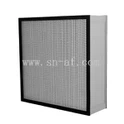
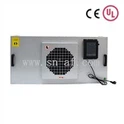
Hey there! As a supplier of FFU (Fan Filter Unit) and HEPA BOX products, I often get asked about the power consumption of these devices. It's a crucial topic, especially for those looking to manage their energy costs and ensure efficient operation in cleanroom environments. So, let's dive right in and explore what the power consumption of FFU and HEPA BOX really is.
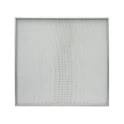
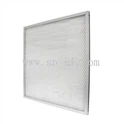
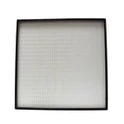
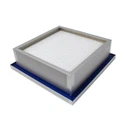
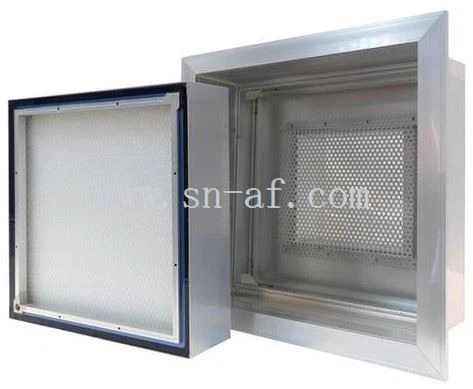
First off, let's understand what FFU and HEPA BOX are. A Fan Filter Unit is a self - contained, ceiling - mounted unit that combines a fan and a filter. It's commonly used in cleanrooms to provide a continuous flow of filtered air. On the other hand, a HEPA BOX, like the Gel Seal Terminal HEPA / ULPA Module or the Gel Seal Silent Hood HEPA Box, is designed to house high - efficiency particulate air (HEPA) or ultra - low penetration air (ULPA) filters. These boxes help in maintaining a clean and particle - free environment.
The power consumption of an FFU mainly depends on several factors. The first one is the fan motor. Different types of fan motors have different power requirements. For example, some older FFUs might use AC motors, which are generally less energy - efficient compared to the newer DC motors. DC motors offer better speed control and consume less power, especially when the FFU doesn't need to run at full speed all the time.
Another factor is the air volume and pressure requirements. If you need a high air volume to maintain a certain cleanliness level in a large cleanroom, the FFU will have to work harder, which means it will consume more power. Similarly, if the system requires a high static pressure to push the air through the filters and ductwork, the power consumption will also increase.
Let's take a look at some typical power consumption values. A standard FFU with a relatively small fan and a low - to - medium air volume might consume around 100 - 200 watts. However, larger FFUs with high - performance fans and higher air volume capabilities can consume anywhere from 300 to 500 watts or even more.
Now, when it comes to HEPA BOXes, their power consumption is generally much lower compared to FFUs. This is because HEPA BOXes themselves don't have a built - in power - consuming component like a fan. They mainly rely on the external air supply provided by the FFUs or other ventilation systems. However, if there are any additional features in the HEPA BOX, such as a pre - filter cleaning mechanism or a monitoring system, these might add a small amount of power consumption.
To put things in perspective, let's consider an example of a cleanroom setup. Suppose you have a medium - sized cleanroom that requires 20 FFUs to maintain the desired air quality. If each FFU consumes an average of 200 watts, then the total power consumption of the FFUs alone will be 20 x 200 = 4000 watts or 4 kilowatts. Over the course of a day (24 hours), this would amount to 4 x 24 = 96 kilowatt - hours.
It's important to note that you can take some steps to reduce the power consumption of FFU and HEPA BOX systems. One way is to use energy - efficient fan motors, as mentioned earlier. Another approach is to optimize the air distribution system. By ensuring that the air is flowing smoothly through the filters and ductwork, you can reduce the static pressure requirements, which in turn reduces the power needed by the FFUs.

You can also implement a variable speed control system for the FFUs. This allows the FFUs to adjust their speed based on the actual air quality and demand in the cleanroom. For example, during periods of low activity in the cleanroom, the FFUs can run at a lower speed, consuming less power.
In addition, regular maintenance of the FFU and HEPA BOX components is crucial. Clogged filters can increase the resistance to air flow, forcing the FFUs to work harder and consume more power. By replacing or cleaning the filters on a regular basis, you can keep the system running efficiently.
As a supplier, I understand that power consumption is just one aspect that you need to consider when choosing FFU and HEPA BOX products. You also need to look at factors like filtration efficiency, noise levels, and durability. But power consumption is definitely an important factor, especially in the long run, as it can have a significant impact on your operating costs.
If you're in the market for FFU and HEPA BOX products and want to learn more about their power consumption and how they can fit into your specific requirements, I'd be more than happy to help. Whether you're setting up a new cleanroom or looking to upgrade an existing one, we have a wide range of products to choose from.
So, don't hesitate to reach out if you have any questions or if you're interested in starting a procurement discussion. We can work together to find the best solutions for your cleanroom needs, taking into account all the important factors, including power consumption.
References:
- General knowledge of cleanroom technology and equipment
- Industry - specific research on FFU and HEPA BOX performance characteristics