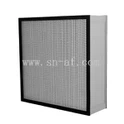
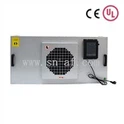
As a supplier of HEPA filters, I often get asked whether HEPA filters can be used in laboratories. The answer is a resounding yes, and in this blog post, I'll delve into the reasons why HEPA filters are not only suitable but essential for laboratory environments.
Understanding HEPA Filters
Before we explore their application in laboratories, let's first understand what HEPA filters are. HEPA stands for High-Efficiency Particulate Air. A true HEPA filter is capable of capturing at least 99.97% of airborne particles that are 0.3 microns in diameter. This high level of filtration efficiency is due to the unique design of the filter media, which consists of a dense mat of randomly arranged fibers. These fibers create a tortuous path for the air to pass through, allowing them to trap particles through a combination of interception, impaction, and diffusion.
The Need for Clean Air in Laboratories
Laboratories are places where precision and accuracy are of utmost importance. Whether it's conducting research, performing experiments, or manufacturing pharmaceuticals, even the slightest presence of airborne contaminants can have a significant impact on the results. Contaminants such as dust, pollen, bacteria, viruses, and chemical fumes can interfere with sensitive equipment, contaminate samples, and pose a risk to the health of laboratory personnel.
For example, in a microbiology laboratory, airborne bacteria and fungi can contaminate cultures, leading to false results and wasted time and resources. In a semiconductor manufacturing laboratory, even a single particle of dust can cause defects in the microchips being produced, resulting in costly production losses.
How HEPA Filters Benefit Laboratories
Particle Removal
The primary function of a HEPA filter is to remove airborne particles. In a laboratory setting, this means that HEPA filters can effectively eliminate dust, pollen, and other particulate matter that could otherwise contaminate experiments or damage equipment. By maintaining a clean air environment, HEPA filters help to ensure the accuracy and reliability of laboratory results.
Microorganism Control
HEPA filters are also highly effective at capturing microorganisms such as bacteria and viruses. This is particularly important in laboratories that handle infectious agents or work with biological samples. By removing these microorganisms from the air, HEPA filters help to prevent the spread of infections and protect the health of laboratory personnel.
Chemical Fume Reduction
While HEPA filters are not designed to remove chemical fumes, they can still play a role in reducing their concentration in the air. By removing the particulate matter that may carry chemical contaminants, HEPA filters can help to improve the overall air quality in the laboratory. However, for more effective chemical fume removal, additional filtration systems such as activated carbon filters may be required.
Types of HEPA Filters for Laboratories
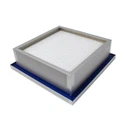
There are several types of HEPA filters available, each with its own specific characteristics and applications. Some of the most common types of HEPA filters used in laboratories include:
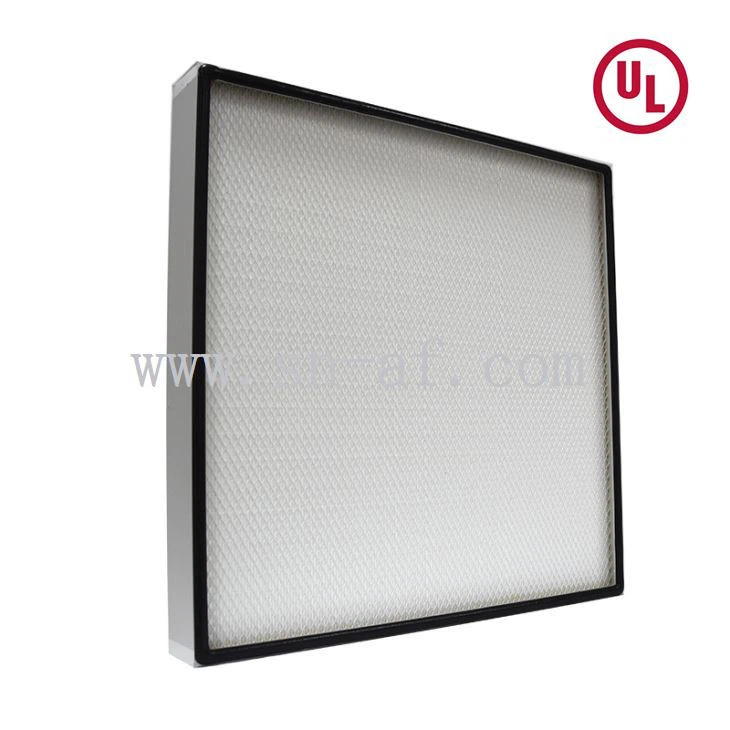
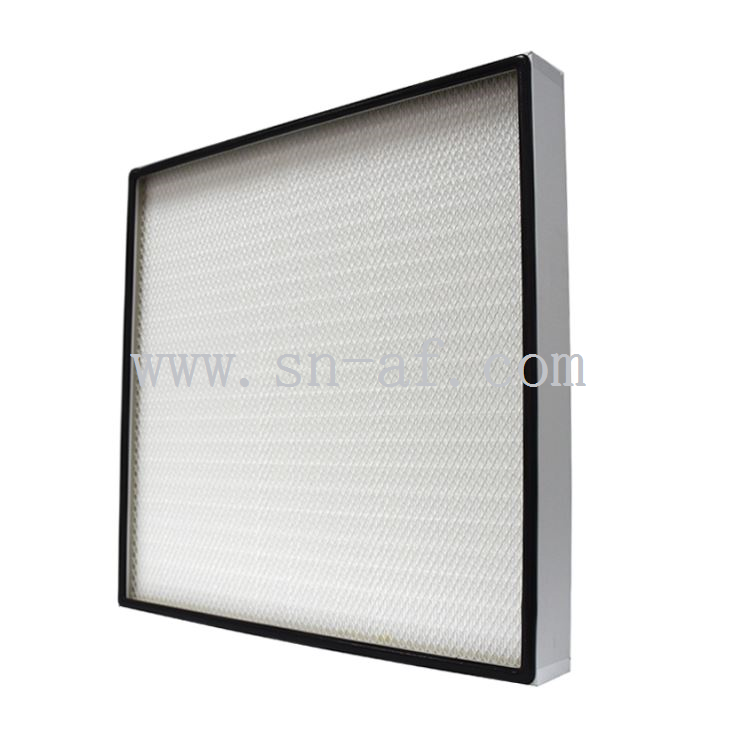
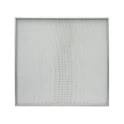
H11 Mini-Pleat Filter
The H11 Mini-Pleat Filter offers a high level of filtration efficiency, capturing up to 99.5% of airborne particles that are 0.3 microns in diameter. This type of filter is suitable for general laboratory applications where a moderate level of air cleanliness is required.
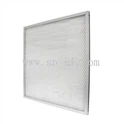
H13 Mini-Pleat HEPA Filter
The H13 Mini-Pleat HEPA Filter provides an even higher level of filtration efficiency, capturing up to 99.97% of airborne particles that are 0.3 microns in diameter. This type of filter is commonly used in laboratories that require a high level of air cleanliness, such as microbiology laboratories and cleanrooms.
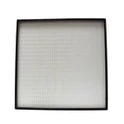
H14 Mini-Pleat HEPA Filter
The H14 Mini-Pleat HEPA Filter offers the highest level of filtration efficiency available, capturing up to 99.995% of airborne particles that are 0.3 microns in diameter. This type of filter is typically used in laboratories that handle extremely sensitive materials or work with high-risk pathogens.
Installation and Maintenance of HEPA Filters in Laboratories
Proper installation and maintenance of HEPA filters are crucial to ensure their optimal performance. When installing HEPA filters in a laboratory, it's important to follow the manufacturer's instructions carefully and ensure that the filters are installed correctly. Improper installation can lead to air leaks and reduced filtration efficiency.
Regular maintenance of HEPA filters is also essential. This includes regular inspections to check for signs of damage or clogging, as well as replacement of the filters when they reach the end of their service life. The frequency of filter replacement will depend on several factors, such as the level of air contamination, the airflow rate, and the type of filter being used.
Conclusion
In conclusion, HEPA filters are an essential component of any laboratory environment. They provide a high level of filtration efficiency, effectively removing airborne particles, microorganisms, and chemical fumes. By maintaining a clean air environment, HEPA filters help to ensure the accuracy and reliability of laboratory results, protect the health of laboratory personnel, and prevent damage to sensitive equipment.
If you're looking for high-quality HEPA filters for your laboratory, we're here to help. Our company offers a wide range of HEPA filters, including H11 Mini-Pleat Filter, H13 Mini-Pleat HEPA Filter, and H14 Mini-Pleat HEPA Filter. We can also provide expert advice on filter selection, installation, and maintenance to ensure that you get the best possible performance from your filters.
Contact us today to discuss your specific requirements and learn more about how our HEPA filters can benefit your laboratory.
References
- American Society of Heating, Refrigerating and Air-Conditioning Engineers (ASHRAE). (2019). ANSI/ASHRAE Standard 52.2-2017: Method of Testing General Ventilation Air-Cleaning Devices for Removal Efficiency by Particle Size.
- Centers for Disease Control and Prevention (CDC). (2020). Biosafety in Microbiological and Biomedical Laboratories (BMBL), 6th Edition.
- International Organization for Standardization (ISO). (2015). ISO 14644-1:2015 Cleanrooms and associated controlled environments - Part 1: Classification of air cleanliness.