Are Separator HEPA Filters Compatible with All Air Purifiers?
In the realm of air purification, High-Efficiency Particulate Air (HEPA) filters have long been hailed as the gold standard for removing airborne particles. Among the various types of HEPA filters, separator HEPA filters stand out for their unique design and performance characteristics. As a supplier of separator HEPA filters, I often encounter the question: Are separator HEPA filters compatible with all air purifiers? In this blog post, I will delve into this topic, exploring the factors that determine compatibility and providing insights to help you make an informed decision.
Understanding Separator HEPA Filters
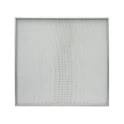
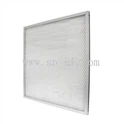
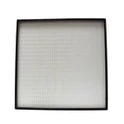
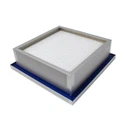
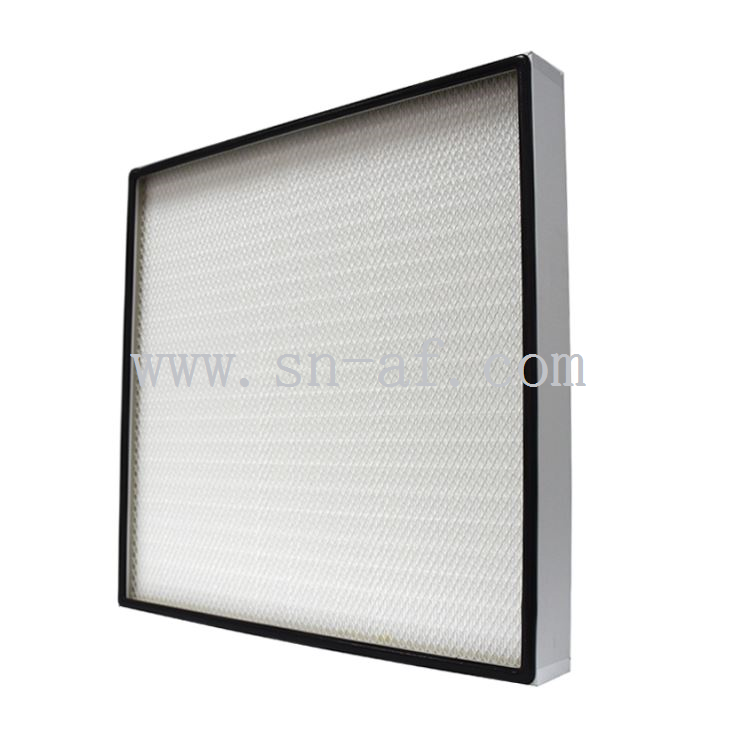
Before we discuss compatibility, let's first understand what separator HEPA filters are. Separator HEPA filters are designed with a series of separators, typically made of aluminum or paper, that are placed between the pleats of the filter media. These separators serve two main purposes: they help maintain the shape and structure of the filter, preventing the pleats from collapsing or touching each other, and they create channels that allow air to flow through the filter more evenly. This design ensures that the filter media is fully utilized, maximizing the filtration efficiency and lifespan of the filter.
Separator HEPA filters are available in different grades, including H11, H13, and H14, each with its own specific filtration efficiency. The H11 Mini-Pleat Filter is suitable for general air purification applications, removing particles as small as 0.3 microns with an efficiency of at least 95%. The H13 Mini-Pleat HEPA Filter offers a higher level of filtration, capturing particles with an efficiency of at least 99.95%, making it ideal for environments where a higher level of air quality is required, such as hospitals and laboratories. The H14 Mini-Pleat HEPA Filter provides the highest level of filtration, removing particles with an efficiency of at least 99.995%, and is often used in critical cleanroom applications.
Factors Affecting Compatibility
While separator HEPA filters offer many benefits, they are not necessarily compatible with all air purifiers. Several factors need to be considered when determining compatibility, including the size and shape of the filter, the airflow requirements of the air purifier, and the type of filter housing.
Size and Shape
One of the most important factors to consider is the size and shape of the separator HEPA filter. Air purifiers come in a variety of sizes and designs, and each model is designed to accommodate a specific size and shape of filter. If the filter is too large or too small, it may not fit properly in the filter housing, resulting in air leakage and reduced filtration efficiency. Therefore, it is crucial to choose a separator HEPA filter that is the correct size and shape for your air purifier. Most air purifier manufacturers provide specifications for the filter size and shape in the product manual or on their website.
Airflow Requirements
Another important factor is the airflow requirements of the air purifier. Separator HEPA filters have a certain resistance to airflow, which means that they can restrict the flow of air through the filter. If the air purifier is not powerful enough to overcome this resistance, the airflow rate will be reduced, and the air purifier may not be able to achieve its rated performance. Therefore, it is important to choose a separator HEPA filter that is compatible with the airflow requirements of your air purifier. Some air purifiers are designed to work with specific types of filters, and using a different type of filter may void the warranty or cause damage to the air purifier.
Filter Housing
The type of filter housing in the air purifier also plays a role in determining compatibility. Some air purifiers have a simple filter housing that is designed to hold a single filter, while others have a more complex housing that can accommodate multiple filters or different types of filters. If the filter housing is not designed to hold a separator HEPA filter, it may not be possible to install the filter properly. Additionally, some filter housings may have specific requirements for the type of filter seal or gasket, which may not be compatible with the separator HEPA filter.
Compatibility Testing
To ensure that a separator HEPA filter is compatible with your air purifier, it is recommended to conduct compatibility testing. This can be done by contacting the air purifier manufacturer or a professional air filtration expert. They can provide you with information on the compatibility of the filter and may be able to perform testing to verify that the filter will work properly with your air purifier.
In some cases, it may be possible to modify the air purifier or the filter housing to make the separator HEPA filter compatible. However, this should only be done by a qualified professional, as improper modification can void the warranty and may pose a safety risk.
Benefits of Using Compatible Separator HEPA Filters
When a separator HEPA filter is compatible with an air purifier, it can provide several benefits, including:
Improved Filtration Efficiency
As mentioned earlier, separator HEPA filters are designed to maximize the filtration efficiency of the filter media. By ensuring that the filter is fully utilized, the separator HEPA filter can remove a higher percentage of airborne particles, including dust, pollen, mold spores, and bacteria, providing cleaner and healthier air.
Longer Lifespan
The design of separator HEPA filters also helps to extend the lifespan of the filter. The separators prevent the pleats from collapsing or touching each other, which can cause the filter media to become clogged more quickly. This means that the filter can last longer before it needs to be replaced, reducing the cost of maintenance and replacement.
Better Airflow Distribution
The channels created by the separators in the separator HEPA filter allow air to flow through the filter more evenly. This helps to distribute the airflow more evenly throughout the air purifier, ensuring that all areas of the filter are being used effectively. As a result, the air purifier can operate more efficiently and effectively, providing better air purification performance.
Conclusion
In conclusion, while separator HEPA filters offer many benefits, they are not necessarily compatible with all air purifiers. Several factors need to be considered when determining compatibility, including the size and shape of the filter, the airflow requirements of the air purifier, and the type of filter housing. It is important to choose a separator HEPA filter that is compatible with your air purifier to ensure optimal performance and filtration efficiency.

If you are unsure whether a separator HEPA filter is compatible with your air purifier, or if you have any questions about our products, please do not hesitate to contact us. As a leading supplier of separator HEPA filters, we have the expertise and experience to help you choose the right filter for your needs. We offer a wide range of separator HEPA filters, including the H11 Mini-Pleat Filter, H13 Mini-Pleat HEPA Filter, and H14 Mini-Pleat HEPA Filter, and we can provide you with detailed information and support to ensure that you make the best decision for your air purification needs. Contact us today to learn more about our products and to discuss your specific requirements.
References
- American Society of Heating, Refrigerating and Air-Conditioning Engineers (ASHRAE). (2019). Standard 52.2-2017: Method of Testing General Ventilation Air-Cleaning Devices for Removal Efficiency by Particle Size.
- European Committee for Standardization (CEN). (2019). EN 1822:2019: High-Efficiency Air Filters (HEPA and ULPA).
- United States Environmental Protection Agency (EPA). (2021). Indoor Air Quality Basics.