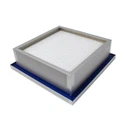
Hey there! As a supplier of FFU and HEPA BOX, I often get asked about the air - leakage rate of these products. So, I thought I'd write this blog to share some insights on what the air - leakage rate of FFU and HEPA BOX is, why it's important, and how it impacts your cleanroom environment.
Let's start with the basics. An FFU, short for Fan Filter Unit, is a self - contained filtration unit. It consists of a fan and a filter, usually a high - efficiency particulate air (HEPA) or ultra - low particulate air (ULPA) filter. The main job of an FFU is to provide filtered air and maintain a clean environment in places like cleanrooms, laboratories, and semiconductor manufacturing facilities.
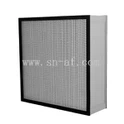
On the other hand, a HEPA BOX is also a vital component in cleanroom technology. There are different types, such as the Roomside Replaceable HEPA Box and the Gel Seal Silent Hood HEPA Box. These boxes are designed to hold HEPA filters and are used in various configurations to achieve the desired air cleanliness levels.
Now, what exactly is the air - leakage rate? Well, the air - leakage rate refers to the amount of unfiltered air that bypasses the filtration system and enters the clean area. It's usually expressed as a percentage. For example, if the air - leakage rate is 1%, it means that 1% of the total air volume is unfiltered air.
For FFUs, a low air - leakage rate is crucial. A high leakage rate can compromise the cleanliness of the environment. In a cleanroom, even a small amount of unfiltered air can introduce contaminants like dust particles, bacteria, and viruses. This is a big deal in industries where product quality is directly affected by the cleanliness of the environment, such as the pharmaceutical and electronics industries.

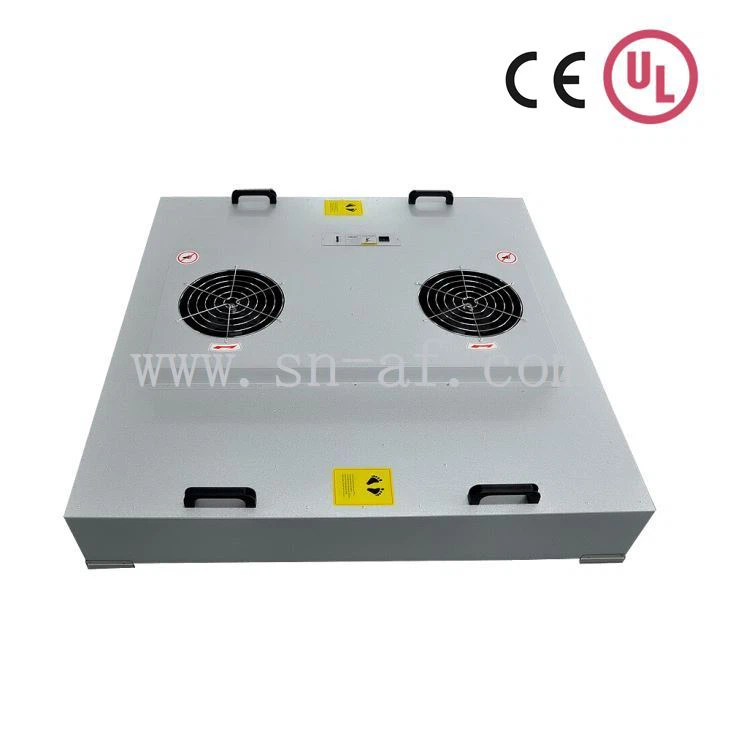
Let's talk about some of the factors that can affect the air - leakage rate of FFUs. Firstly, the design and construction of the FFU play a major role. A well - designed FFU with proper sealing mechanisms can significantly reduce the leakage rate. Poorly manufactured FFUs may have gaps or loose connections where air can leak through. The type of filter used also matters. A high - quality HEPA or ULPA filter not only filters the air more effectively but also helps in reducing air leakage if it is properly installed and sealed within the FFU.
Installation is another key factor. If an FFU is not installed correctly, it can lead to a higher air - leakage rate. For example, if the FFU is not leveled properly or if the seals between the FFU and the ceiling grid are not tight, air can escape around the edges. Regular maintenance is also necessary to keep the air - leakage rate in check. Over time, the seals can wear out, or the filter may become damaged, both of which can increase the leakage rate.
When it comes to HEPA BOXes, similar principles apply. The air - leakage rate of a Roomside Replaceable HEPA Box is affected by its design, the quality of the sealant used, and the installation process. A high - performing HEPA BOX should have a very low air - leakage rate. The gel - sealed design of Gel Seal Silent Hood HEPA Box is particularly effective in reducing air leakage. The gel provides a tight and flexible seal that can adapt to minor movements and vibrations, ensuring minimal air bypass.
Minimizing the air - leakage rate offers several benefits. In a cleanroom environment, it helps to meet the required cleanliness standards. This is essential for regulatory compliance in many industries. For example, in the pharmaceutical industry, cleanrooms must meet strict standards set by organizations like the FDA. A low air - leakage rate also improves energy efficiency. When less air is leaking, the FFUs and HEPA BOXes don't have to work as hard to maintain the desired air flow and cleanliness levels, which in turn reduces energy consumption and costs.
So, how do we measure the air - leakage rate? There are several methods available. One common method is the pressure test. In this test, the FFU or HEPA BOX is subjected to a specific pressure difference, and the amount of air leaking is measured. Another method involves using smoke or tracer gases. The presence of these substances in the clean area can indicate the location and extent of air leakage.
As a supplier of FFU and HEPA BOX, we take great pride in providing products with low air - leakage rates. We use high - quality materials and advanced manufacturing techniques to ensure the best performance of our products. Our team of experts also provides installation and maintenance services to help you keep your cleanroom environment in top - notch condition.
If you're in the market for FFUs or HEPA BOXes and want to ensure a clean and efficient environment, we'd love to have a chat. Whether you need a single unit for a small laboratory or a large - scale installation for a semiconductor plant, we're here to help you find the right solution for your needs.
In conclusion, understanding the air - leakage rate of FFUs and HEPA BOXes is crucial for anyone involved in cleanroom technology. It affects the cleanliness of the environment, energy efficiency, and regulatory compliance. By choosing high - quality products and proper installation and maintenance, you can keep the air - leakage rate to a minimum and enjoy a clean and productive working environment.
If you have any questions or if you're interested in discussing a potential purchase, don't hesitate to reach out. Let's work together to make your cleanroom the best it can be.
References:
- Cleanroom Technology Handbook.
- Industry standards and guidelines for cleanroom design and operation.