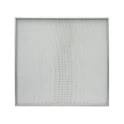
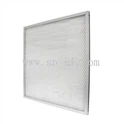
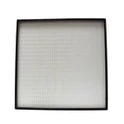
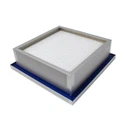
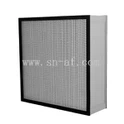
As a seasoned supplier of FFU (Fan Filter Unit) and HEPA BOX products, I've witnessed firsthand the critical role these components play in maintaining clean and controlled environments. In this blog, I'll delve into the materials used in FFU and HEPA BOX, providing you with a comprehensive understanding of their construction and functionality.
Materials Used in Fan Filter Unit (FFU)
The FFU is a key component in cleanroom systems, responsible for providing a continuous supply of filtered air. It consists of several essential parts, each made from specific materials to ensure optimal performance.
Fan
The fan is the heart of the FFU, responsible for drawing in and pushing out air. Most FFUs use centrifugal fans, which are known for their high efficiency and low noise levels. These fans are typically made from materials such as aluminum or plastic. Aluminum fans are lightweight, durable, and have good heat dissipation properties, making them suitable for high - performance applications. Plastic fans, on the other hand, are cost - effective, corrosion - resistant, and can be easily molded into complex shapes.
Filter
The filter in an FFU is crucial for removing particles from the air. The most common type of filter used in FFUs is the HEPA (High - Efficiency Particulate Air) filter. HEPA filters are made from a mat of randomly arranged fibers, usually made of glass microfibers. These fibers are extremely fine, with diameters ranging from 0.5 to 2.0 micrometers. The random arrangement of the fibers creates a tortuous path for the air, allowing the filter to capture particles as small as 0.3 micrometers with an efficiency of at least 99.97%. Some advanced FFUs may also use ULPA (Ultra - Low Penetration Air) filters, which have an even higher efficiency in capturing smaller particles.
Housing
The housing of the FFU provides structural support and protects the internal components. It is typically made from materials such as galvanized steel or stainless steel. Galvanized steel is coated with a layer of zinc to prevent rusting, making it a cost - effective option for general applications. Stainless steel, on the other hand, is more corrosion - resistant and is often used in environments where hygiene and durability are of utmost importance, such as in pharmaceutical and food processing industries.
Motor
The motor drives the fan and is usually an AC or DC motor. AC motors are widely used due to their simplicity and reliability. They are typically made with copper windings and a steel core. DC motors, on the other hand, offer better speed control and energy efficiency. The materials used in DC motors include high - quality magnets and advanced electronic components for precise control.
Materials Used in HEPA BOX
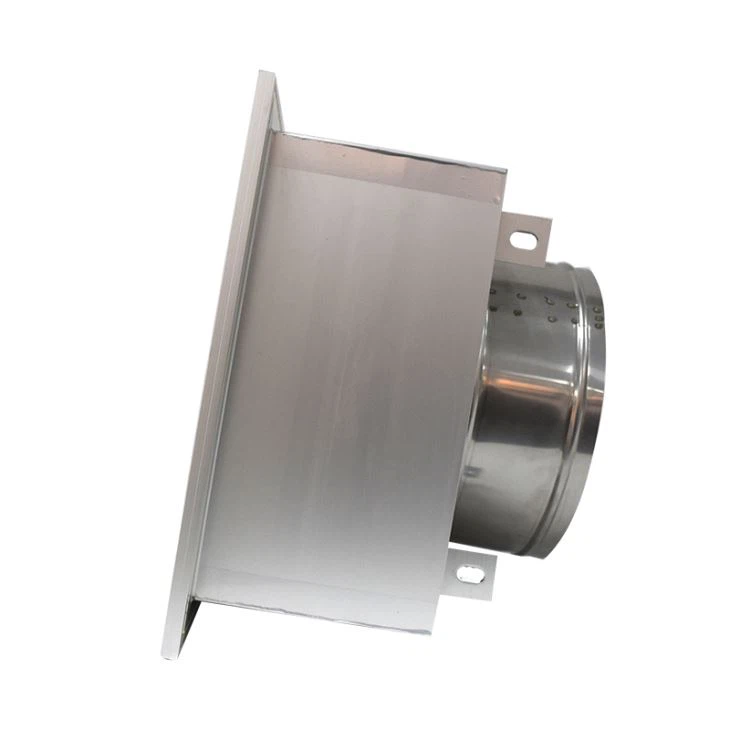
HEPA BOXes are used to house HEPA filters and are an important part of cleanroom air filtration systems. They are designed to provide a sealed environment for the filter, ensuring that all the air passing through is properly filtered.
Frame
The frame of the HEPA BOX provides support for the filter and helps to seal it in place. It is commonly made from materials such as aluminum or extruded plastic. Aluminum frames are lightweight, strong, and have good thermal conductivity. They are also easy to anodize, which provides additional protection against corrosion. Extruded plastic frames are cost - effective and can be easily customized to fit different filter sizes and shapes.
Sealing Materials
Sealing materials are essential to prevent air leakage around the filter. The most common sealing materials used in HEPA BOXes are silicone gaskets and polyurethane foam. Silicone gaskets are flexible, heat - resistant, and have excellent sealing properties. They can withstand a wide range of temperatures and are resistant to chemicals and UV radiation. Polyurethane foam is a soft, compressible material that provides a good seal and is also cost - effective.

Filter Media
Similar to the filters used in FFUs, the filter media in HEPA BOXes is usually made of glass microfibers. The filter media is pleated to increase the surface area, which in turn improves the filtration efficiency. Some advanced HEPA BOXes may use more specialized filter media, such as nanofiber - based materials, which offer even higher filtration performance.
Enclosure
The enclosure of the HEPA BOX protects the filter from damage and provides a clean, sealed environment. It is often made from materials such as stainless steel or fiberglass - reinforced plastic (FRP). Stainless steel enclosures are durable, corrosion - resistant, and easy to clean. FRP enclosures are lightweight, strong, and have good chemical resistance.
Advanced Products and Their Materials
In addition to the standard FFU and HEPA BOX products, there are also some advanced models available in the market. For example, the Gel Seal Terminal HEPA / ULPA Module uses a special gel sealing technology. The gel used in these modules is a high - performance, non - drying material that provides an extremely tight seal around the filter, ensuring zero leakage. The housing of this module is often made from high - quality stainless steel for maximum durability and hygiene.
The Roomside Replaceable HEPA Box is designed for easy filter replacement from the room side. The materials used in this product are carefully selected to ensure ease of use and long - term performance. The frame is usually made from a combination of aluminum and plastic for a balance of strength and lightness, and the sealing materials are designed to be easily replaceable.
Why Choose Our FFU and HEPA BOX Products
As a supplier, we take pride in using high - quality materials in our FFU and HEPA BOX products. Our commitment to quality ensures that our products offer reliable performance, long service life, and excellent filtration efficiency. Whether you are in the semiconductor industry, pharmaceutical manufacturing, or any other industry that requires a clean environment, our products can meet your needs.
Our Fan Filter Unit is designed with advanced technology and high - quality materials to provide efficient and quiet operation. The HEPA BOXes we offer are carefully engineered to ensure a perfect seal and optimal filtration performance.
If you are looking for reliable FFU and HEPA BOX products, we invite you to contact us for a detailed discussion about your requirements. Our team of experts is ready to assist you in choosing the right products for your specific application. We can provide you with technical support, product samples, and competitive pricing. Let's work together to create a cleaner and healthier environment for your business.
References
- "Cleanroom Technology Handbook" by Peter A. Fuhrmann
- "Air Filtration: An Integrated Approach to the Theory and Application of Fibrous Filters" by Larry K. Willeke and Philip A. Baron
- Industry standards and guidelines for cleanroom design and operation