Hey there! As a supplier of HEPA filters, I often get asked if these filters can be used in a supermarket. Well, let's dive right into it and find out.
First off, what the heck is a HEPA filter? HEPA stands for High - Efficiency Particulate Air. These filters are designed to trap at least 99.97% of particles that are 0.3 microns in diameter. That's super tiny! And they can even capture smaller and larger particles with even higher efficiency.
Now, let's talk about supermarkets. Supermarkets are bustling places. There are tons of people coming in and out throughout the day, bringing in all sorts of stuff from the outside world. Dust, pollen, bacteria, and even viruses can hitch a ride on people's clothes, shoes, and in the air they breathe. Plus, there are also food products being transported, unpacked, and stored in the supermarket. Some of these products can release small particles or odors into the air.
So, can a HEPA filter be used in a supermarket? The answer is a big fat yes! And here are some reasons why it's a great idea.
Air Quality Improvement
One of the main benefits of using a HEPA filter in a supermarket is improving the air quality. With so many people in a relatively confined space, the air can quickly become stale and filled with pollutants. HEPA filters can remove these harmful particles from the air, making it cleaner and healthier to breathe. This is especially important for people with allergies or respiratory problems, who are more sensitive to poor air quality.
For example, pollen from flowers displayed in the supermarket or dust from the packaging materials can trigger allergic reactions. A HEPA filter can trap these particles, reducing the risk of allergic attacks for customers and employees alike.
Odor Control
Supermarkets can have a variety of odors, from the smell of fresh produce to the aroma of baked goods. But sometimes, there can also be unpleasant odors, like the smell of spoiled food or cleaning chemicals. HEPA filters can help with odor control to some extent. While they may not completely eliminate all odors, they can capture the particles that carry the odors, reducing their intensity.
Protecting Food Products
Clean air is essential for maintaining the quality and safety of food products in a supermarket. Dust, bacteria, and other contaminants in the air can settle on the food, increasing the risk of spoilage and foodborne illnesses. By using a HEPA filter, the amount of these contaminants in the air is reduced, helping to keep the food fresh and safe for consumption.
Now, let's talk about the different types of HEPA filters that can be used in a supermarket.
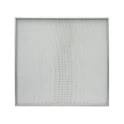
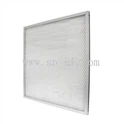
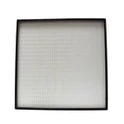
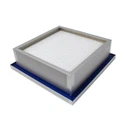
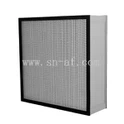
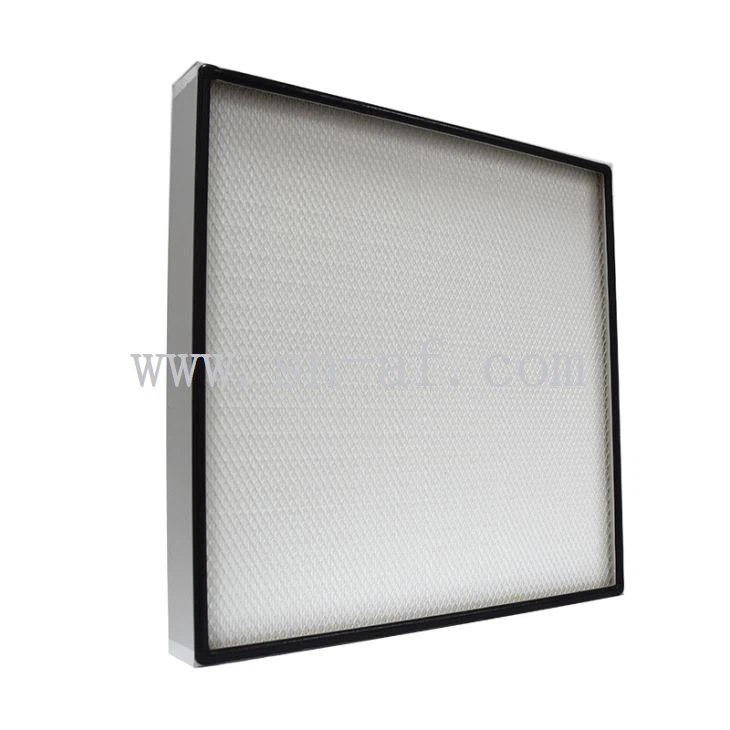
One option is the H11 Mini - Pleat Filter. This type of filter offers a good balance between efficiency and airflow. It can capture a high percentage of particles while still allowing air to flow through relatively easily. This is important in a supermarket setting, where you need to maintain a good ventilation system to keep the air circulating.
Another choice is the Separator HEPA Filter. These filters are known for their high efficiency and durability. They use separators to keep the pleats of the filter media apart, which helps to increase the surface area for particle capture. This means they can capture more particles over a longer period of time, making them a great option for a busy supermarket.
If you need even higher efficiency, the H13 Mini - Pleat HEPA Filter is a great choice. This filter can capture up to 99.995% of particles that are 0.3 microns in diameter. It's ideal for areas in the supermarket where air quality needs to be extremely high, such as the meat and seafood sections or the bakery.
Installation and Maintenance
Installing a HEPA filter in a supermarket's ventilation system is not overly complicated, but it does require some planning. You need to make sure the filter is the right size and type for your existing system. It's also important to have it installed by a professional to ensure it works properly.
Maintenance is also crucial. HEPA filters need to be replaced regularly to maintain their efficiency. The frequency of replacement depends on factors like the level of air pollution in the area, the number of people in the supermarket, and the type of filter used. Generally, it's recommended to replace the filter every 6 to 12 months.
Cost Considerations
Of course, cost is always a factor when it comes to any business decision. HEPA filters can be more expensive than regular air filters, but the benefits they offer are well worth the investment. In the long run, improved air quality can lead to fewer sick days for employees, happier customers, and better - preserved food products.
So, if you're a supermarket owner or manager, I highly recommend considering using HEPA filters in your ventilation system. They can make a big difference in the overall environment of your supermarket.
If you're interested in learning more about our HEPA filters or want to discuss your specific needs, don't hesitate to reach out. We're here to help you find the best solution for your supermarket. Whether you need a small - scale filter for a corner store or a large - scale system for a big - box supermarket, we've got you covered.

Let's work together to create a cleaner, healthier, and more inviting shopping environment for everyone.
References
- American Society of Heating, Refrigerating and Air - Conditioning Engineers (ASHRAE). Standards for ventilation and air quality in commercial buildings.
- World Health Organization (WHO). Guidelines on indoor air quality and health.