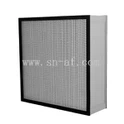
Hey there! As a supplier of Fan Filter Units (FFUs), I've seen my fair share of issues that customers often run into. In this blog, I'm gonna walk you through some of the common problems with a Fan Filter Unit and share some insights on how to tackle 'em.
1. Noise Problems
One of the most frequent complaints I hear from users is the noise generated by FFUs. Nobody wants a noisy unit humming away in their cleanroom or workspace. There are a few reasons why an FFU might be too loud.
First off, the fan itself could be the culprit. Over time, the bearings in the fan motor can wear out, causing the fan to vibrate more and make more noise. Also, if the fan blades are dirty or damaged, they can create an uneven airflow, which leads to increased noise levels.
Another factor is the installation. If the FFU isn't mounted properly, it can vibrate against the mounting surface, amplifying the noise. Sometimes, the ductwork connected to the FFU can also be a source of noise if it's not sealed correctly or if it's too rigid.
To fix these noise issues, you can start by cleaning or replacing the fan blades. If the bearings are worn out, it's best to replace the fan motor. Make sure the FFU is installed on a stable surface and use vibration - dampening pads if necessary. Check the ductwork for any leaks or loose connections and seal or tighten them up.
2. Airflow and Pressure Problems
Getting the right airflow and pressure is crucial for an FFU to work effectively. If the airflow is too low, the unit won't be able to filter the air efficiently, and if it's too high, it can cause unnecessary wear and tear on the filter.
A common cause of low airflow is a clogged filter. As the filter traps dust and particles over time, it becomes more and more restrictive, reducing the amount of air that can pass through. You can easily tell if the filter is clogged if the air pressure drop across the filter is higher than normal.
Another reason for airflow problems could be a malfunctioning fan. The fan might not be spinning at the correct speed, or there could be an issue with the fan control system. Sometimes, problems with the ductwork, like kinks or blockages, can also restrict the airflow.
When it comes to pressure problems, incorrect fan selection can be a big issue. If the fan isn't powerful enough for the system requirements, the pressure won't be sufficient to push the air through the filter and the ductwork. On the other hand, if the fan is too powerful, it can create excessive pressure, which can damage the filter or other components.
To solve airflow and pressure problems, regularly check and replace the filters as needed. Inspect the fan and its control system to make sure it's working properly. And don't forget to check the ductwork for any blockages or damage.
3. Filter Issues
Filters are the heart of an FFU, and they can face several problems. One of the most obvious ones is filter clogging, which we've already talked about. But there are other issues too.
Filter leakage is a big deal. If there are gaps or holes in the filter or if it's not installed correctly, unfiltered air can bypass the filter and enter the clean area. This defeats the whole purpose of having an FFU.
Another problem is filter degradation. Over time, the filter media can break down due to factors like high temperatures, humidity, or exposure to chemicals. This can reduce the filter's efficiency and lifespan.
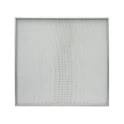
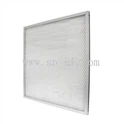
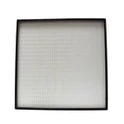
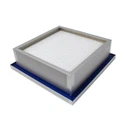
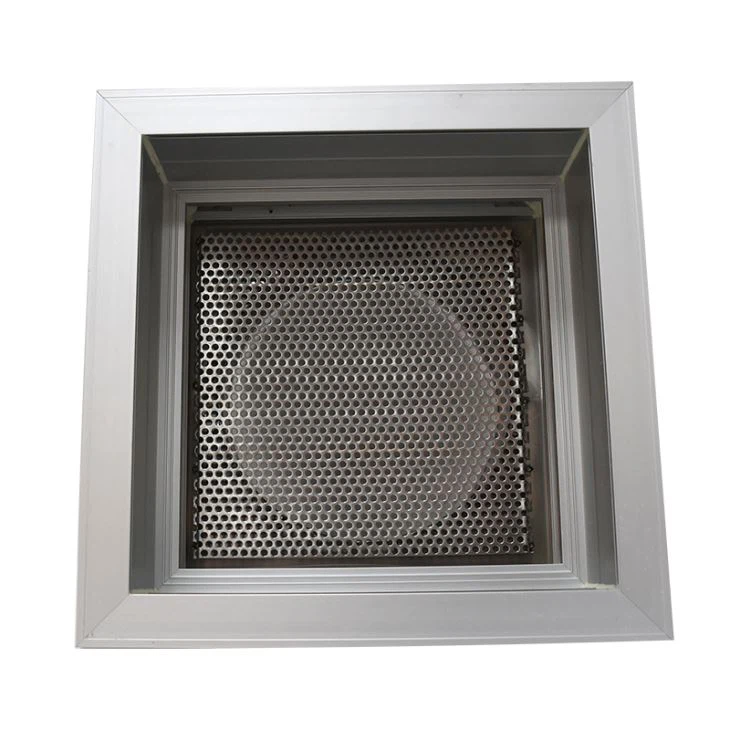
When choosing a filter, it's important to select the right type and rating for your application. For example, Roomside Replaceable HEPA Box and Gel Seal Terminal HEPA / ULPA Module are great options for different levels of air filtration. Make sure to follow the manufacturer's instructions for installation and maintenance to avoid filter - related problems.
4. Electrical and Control Problems
Electrical issues can be a real headache when it comes to FFUs. A blown fuse or a tripped circuit breaker can shut down the unit completely. Loose electrical connections can cause intermittent operation or even pose a fire hazard.
The control system of the FFU can also malfunction. The speed control might not work properly, or the unit might not turn on or off as expected. Sometimes, the sensors that monitor the airflow or pressure can give inaccurate readings, leading to improper operation of the FFU.
To deal with electrical problems, always check the power supply and the electrical connections first. Replace any blown fuses or reset the circuit breakers. If you're not experienced with electrical work, it's best to call a professional. For control system issues, check the settings and calibration of the sensors and the control panel. If necessary, replace any faulty components.

5. Maintenance and Cleaning Neglect
A lot of problems with FFUs can be avoided with proper maintenance and cleaning. But unfortunately, many users neglect these tasks.
If you don't clean the FFU regularly, dust and dirt can build up on the fan blades, the filter, and other components. This not only reduces the unit's efficiency but also increases the risk of mechanical and electrical problems.
Lack of maintenance can also lead to the degradation of lubricants in the fan motor, causing the bearings to wear out faster. And if you don't replace the filters on time, it can lead to airflow and pressure problems, as we discussed earlier.
To keep your FFU in top shape, establish a regular maintenance schedule. Clean the unit at least once a month, and replace the filters according to the manufacturer's recommendations. Check the fan motor and other components for signs of wear and tear during each maintenance session.
Conclusion
Well, those are some of the common problems you might encounter with a Fan Filter Unit. As a supplier, I know how frustrating these issues can be for you. But the good news is that most of these problems can be easily fixed with a little bit of knowledge and some basic maintenance.
If you're facing any of these problems or if you're looking to buy a new FFU, I'd love to help you out. Whether you need advice on the right product for your application or assistance with troubleshooting, don't hesitate to reach out. I'm here to make sure you get the most out of your Fan Filter Unit.
So, if you're interested in discussing your FFU needs or want to start a procurement process, feel free to contact me. Let's work together to find the best solution for your clean air requirements.
References
- Industry standards for Fan Filter Unit design and operation
- Manufacturer's manuals for FFUs and related components