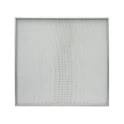
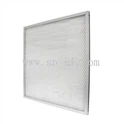
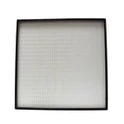
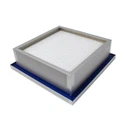
In the intricate world of food processing, maintaining a clean and safe environment is not just a preference but a regulatory necessity. One of the key elements in achieving this is the proper use of air filters. As a supplier of the H11 Mini - Pleat Filter, I often get asked whether this particular filter can be used in a food processing environment. In this blog, I'll delve into the technical aspects, regulatory requirements, and practical considerations to answer this question comprehensively.
Understanding the H11 Mini - Pleat Filter
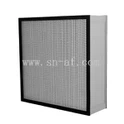
The H11 Mini - Pleat Filter is a high - efficiency air filter designed to capture a significant amount of airborne particles. The "H11" classification indicates its efficiency level according to the European standard EN 1822. An H11 filter can typically capture at least 95% of particles with a size of 0.3 micrometers. The mini - pleat design provides a large surface area for filtration, which in turn allows for a higher dust - holding capacity and lower pressure drop compared to some other filter designs.
Air Quality Requirements in Food Processing
Food processing facilities are subject to strict regulations regarding air quality. The primary goals are to prevent contamination of food products by airborne particles, microorganisms, and other pollutants. Airborne particles can carry bacteria, mold spores, and other contaminants that can spoil food or pose a health risk to consumers.
Microorganisms such as bacteria and fungi can grow on food products if the air in the processing environment is not properly filtered. For example, Salmonella and E. coli are well - known pathogens that can be spread through the air in a contaminated environment. In addition, dust particles can contain allergens, which can be a serious concern for consumers with food allergies.
Advantages of Using H11 Mini - Pleat Filter in Food Processing
Particle Filtration
The high - efficiency particle filtration capabilities of the H11 Mini - Pleat Filter make it suitable for removing a wide range of particles from the air in a food processing environment. This includes dust, pollen, and small particulate matter that could potentially contaminate food products. By reducing the concentration of these particles, the filter helps to maintain a cleaner and safer working environment.
Cost - Effectiveness
Compared to higher - grade filters such as the H13 Mini - Pleat HEPA Filter, the H11 Mini - Pleat Filter offers a good balance between filtration efficiency and cost. In many food processing applications, the H11 level of filtration may be sufficient to meet regulatory requirements, making it a more cost - effective option for long - term use.


Low Pressure Drop
The mini - pleat design of the filter results in a relatively low pressure drop across the filter. This means that less energy is required to push air through the filter, which can lead to energy savings for the food processing facility. Lower energy consumption also contributes to a more sustainable operation.
Considerations and Limitations
Microbial Filtration
While the H11 Mini - Pleat Filter can capture a significant amount of particles, including some microorganisms, it may not be as effective as higher - grade filters in completely eliminating all microbial contaminants. In areas where strict aseptic conditions are required, such as in the production of certain dairy products or ready - to - eat foods, a higher - efficiency filter like the H13 may be more appropriate.
Regulatory Compliance
Food processing facilities must comply with local and international regulations regarding air quality. Some regulations may specify a minimum level of filtration efficiency for certain types of food processing operations. It is essential for food processors to consult with regulatory authorities and ensure that the use of the H11 Mini - Pleat Filter meets all applicable requirements.
Complementary Solutions
In some cases, the H11 Mini - Pleat Filter can be used in combination with other filtration technologies to enhance air quality in a food processing environment. For example, pre - filters can be installed upstream of the H11 filter to remove larger particles and extend the life of the main filter. Additionally, ultraviolet germicidal irradiation (UVGI) systems can be used to further reduce the microbial load in the air.
Another option is to use Gel Seal HEPA Filter in critical areas where higher levels of filtration are required. Gel - sealed filters provide a more airtight seal, which can prevent bypass of unfiltered air and ensure a higher level of particle capture.
Conclusion
The H11 Mini - Pleat Filter can be a viable option for many food processing environments. Its high - efficiency particle filtration, cost - effectiveness, and low pressure drop make it suitable for a wide range of applications. However, it is important to consider the specific requirements of the food processing operation, including microbial filtration needs and regulatory compliance.
If you are a food processing facility looking for a reliable air filtration solution, I encourage you to reach out to discuss your specific needs. Our team of experts can help you determine whether the H11 Mini - Pleat Filter is the right choice for your facility or recommend other suitable filtration options. Contact us today to start a conversation about improving the air quality in your food processing environment.
References
- EN 1822:2009, "High - efficiency air filters and air filter units".
- Food and Drug Administration (FDA) regulations on food processing air quality.
- European Union regulations on food safety and hygiene.