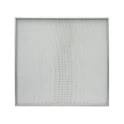
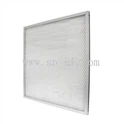
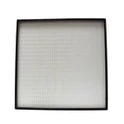
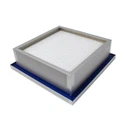
Hey there! As a supplier of Fan Filter Units (FFUs), I've seen firsthand how the noise from these units can be a real pain point for a lot of folks. Whether it's in a cleanroom environment, a data center, or even a home workshop, excessive noise can disrupt work, cause discomfort, and even lead to long - term hearing issues. So, I'm here to share some tips on how to reduce the noise of a Fan Filter Unit.
Understanding the Source of the Noise
Before we dive into the solutions, it's important to understand where the noise is coming from. There are a few main culprits when it comes to FFU noise. First off, the fan itself. The blades cutting through the air create a whooshing sound, and if the fan is unbalanced or spinning too fast, that noise can get pretty intense. Then, there's the motor. A noisy motor can be due to wear and tear, poor lubrication, or just a low - quality design. Finally, the vibration of the unit against its mounting surface can also generate a lot of noise.
Selecting the Right Fan Filter Unit
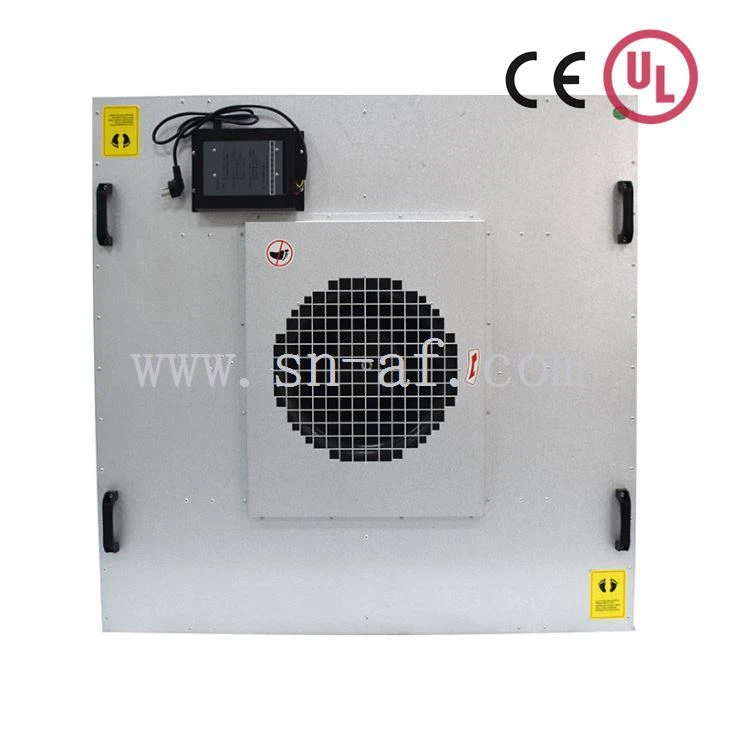
One of the easiest ways to reduce noise is to start with the right FFU in the first place. When you're shopping for an FFU, look for models that are specifically designed to be quiet. For example, some FFUs use advanced blade designs that are more aerodynamic, which can significantly reduce the whooshing noise. You can check out our Fan Filter Unit page for a range of options that are known for their quiet operation.
Another thing to consider is the size of the FFU. A larger fan can often move the same amount of air as a smaller one but at a lower speed. Since noise is often proportional to the fan speed, a larger, slower - moving fan can be much quieter.
Optimizing the Fan Speed
Most modern FFUs come with adjustable fan speeds. By running the fan at the lowest speed that still meets your air - flow requirements, you can significantly reduce the noise. In many cases, you may find that you don't need the fan to run at full blast all the time. For example, in a cleanroom where the air quality is relatively stable, you can set the fan to a lower speed during off - peak hours.
Some FFUs also have smart controls that can automatically adjust the fan speed based on the air quality or the temperature in the room. This not only helps to reduce noise but also saves energy.
Proper Installation and Mounting
How you install and mount your FFU can have a huge impact on the noise level. First, make sure the unit is installed on a stable surface. A wobbly or vibrating surface can amplify the noise. If possible, use vibration - isolating mounts. These are special pads or brackets that absorb the vibrations from the FFU, preventing them from being transmitted to the surrounding structure.
Also, pay attention to the clearance around the FFU. Make sure there's enough space for the air to flow freely in and out of the unit. Blocked air vents can cause the fan to work harder, which in turn increases the noise.
Regular Maintenance
Just like any other piece of equipment, regular maintenance is key to keeping your FFU quiet. Over time, dust and debris can build up on the fan blades and the motor, which can cause the unit to become noisy. Make sure to clean the FFU regularly, following the manufacturer's instructions.
Check the motor for proper lubrication. A well - lubricated motor will run more smoothly and quietly. If you notice any unusual noises or vibrations during operation, it's a good idea to have the unit inspected by a professional.
Using Additional Noise - Reduction Measures
In some cases, you may need to take additional steps to reduce the noise. For example, you can install acoustic panels around the FFU. These panels are designed to absorb sound waves, reducing the amount of noise that escapes into the surrounding area.
Another option is to use a sound - proof enclosure. This is a box - like structure that surrounds the FFU, blocking the noise from getting out. However, make sure that the enclosure doesn't restrict the air flow to the unit, as this can cause overheating and other problems.
Our Other Quiet Products
In addition to our Fan Filter Unit, we also offer other products that are designed to be quiet and efficient. Our Gel Seal Silent Hood HEPA Box is a great option for applications where you need high - quality air filtration with minimal noise. It uses a gel seal to ensure a tight fit and reduce air leakage, which not only improves the filtration efficiency but also helps to keep the noise down.
We also have the Gel Seal Terminal HEPA / ULPA Module, which is another quiet and reliable choice for cleanroom and other critical applications.

Conclusion
Reducing the noise of a Fan Filter Unit doesn't have to be a headache. By following these tips, you can enjoy a quieter, more comfortable environment while still getting the high - quality air filtration that you need. Whether you're a cleanroom operator, a data center manager, or just someone looking for a quiet solution for your home workshop, we've got the products and the expertise to help you out.
If you're interested in learning more about our Fan Filter Units or any of our other products, or if you have any questions about noise reduction, don't hesitate to reach out. We're always happy to have a chat and help you find the right solution for your needs.
References
- "Fundamentals of HVAC Noise Control" by ASHRAE
- "Noise Reduction Techniques for Industrial Fans" by the Fan Manufacturers Association