Hey there! As a supplier of ULPA filters, I often get asked whether these filters need to be inspected regularly. Well, the short answer is yes, and in this blog, I'll break down why it's so important and how regular inspections can benefit you.
Why Regular Inspections Matter
ULPA, or Ultra Low Penetration Air, filters are designed to remove extremely small particles from the air, with an efficiency of capturing particles as small as 0.12 microns at a 99.999% rate. These filters are commonly used in critical environments such as semiconductor manufacturing facilities, pharmaceutical cleanrooms, and hospitals, where air quality is of utmost importance.
Over time, ULPA filters can become clogged with particles, which can reduce their efficiency and increase the pressure drop across the filter. A clogged filter not only compromises the air quality but also forces the HVAC system to work harder, leading to increased energy consumption and potentially higher operating costs.
Regular inspections help identify issues before they become major problems. By checking the filter's condition, you can determine if it needs to be replaced or if there are any signs of damage, such as leaks or tears. This proactive approach can save you money in the long run by preventing costly system failures and ensuring that your facility maintains the required air quality standards.
What to Look for During an Inspection
When inspecting a ULPA filter, there are several key things to keep an eye on:
- Physical Damage: Check for any visible signs of damage, such as holes, tears, or dents in the filter media or frame. Even a small hole can allow unfiltered air to pass through, compromising the filter's performance.
- Clogging: Look for signs of clogging, such as a buildup of dust or debris on the filter surface. A clogged filter will have a higher pressure drop, which can be measured using a differential pressure gauge.
- Sealing: Ensure that the filter is properly sealed to the frame or housing. A poor seal can allow air to bypass the filter, reducing its effectiveness.
- Installation: Make sure the filter is installed correctly and that all mounting hardware is secure. Incorrect installation can cause the filter to shift or vibrate, leading to premature wear and tear.
How Often Should ULPA Filters be Inspected?
The frequency of ULPA filter inspections depends on several factors, including the type of environment, the level of particle contamination, and the manufacturer's recommendations. In general, it's a good idea to inspect ULPA filters at least once every three to six months.
In high-contamination environments, such as semiconductor manufacturing facilities, more frequent inspections may be necessary. These facilities often have strict air quality requirements and may need to replace filters more frequently to maintain the required level of cleanliness.
On the other hand, in low-contamination environments, such as offices or residential buildings, inspections may be less frequent. However, it's still important to monitor the filter's condition regularly to ensure that it's functioning properly.
Our ULPA Filter Products
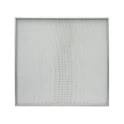
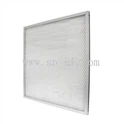
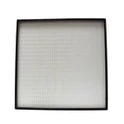
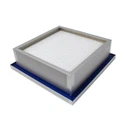
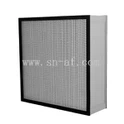
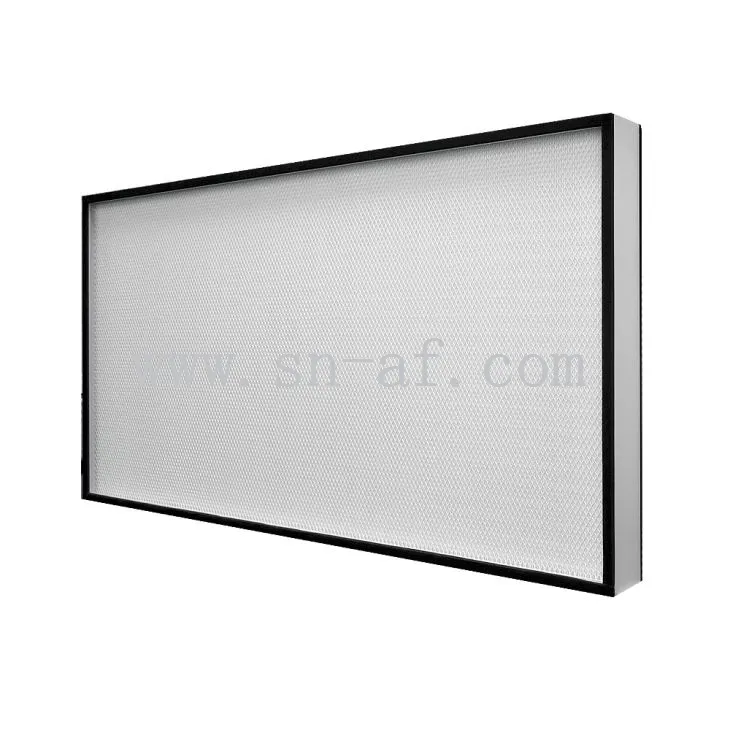
At our company, we offer a range of high-quality ULPA filters to meet the needs of different applications. Our U15 Mini-Pleat ULPA Filter, U16 Mini-Pleat ULPA Filter, and U17 Mini-Pleat ULPA Filter are designed to provide superior performance and reliability.
These filters feature a mini-pleat design, which maximizes the filter surface area and provides a high dust-holding capacity. They are also constructed using high-quality materials to ensure long-lasting durability and efficiency.
Whether you're looking for a filter for a new installation or need to replace an existing filter, we can help you find the right solution for your needs. Our team of experts can provide you with detailed information about our products and help you choose the filter that's best suited for your application.
Conclusion
Regular inspections of ULPA filters are essential for maintaining air quality, reducing energy consumption, and preventing costly system failures. By checking the filter's condition on a regular basis, you can identify issues early and take the necessary steps to address them before they become major problems.
If you're in the market for ULPA filters or need more information about our products, please don't hesitate to contact us. We'd be happy to discuss your requirements and help you find the right solution for your needs.

References
- ASHRAE Standard 52.2-2017, Method of Testing General Ventilation Air-Cleaning Devices for Removal Efficiency by Particle Size
- ISO 14644-1:2015, Cleanrooms and associated controlled environments — Part 1: Classification of air cleanliness
- US Department of Energy, Energy Efficiency and Renewable Energy, Indoor Air Quality