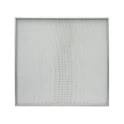
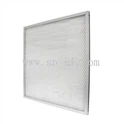
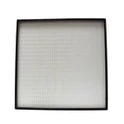
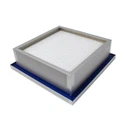
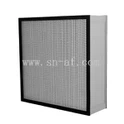
Hey there! I'm a supplier of Pleating HEPA Air Filters, and today I'm gonna walk you through the process of installing one of these bad boys. Whether you're a DIY enthusiast or just looking to freshen up the air in your space, this guide will help you get the job done right.
First things first, let's talk about why a Pleating HEPA Air Filter is so awesome. HEPA stands for High-Efficiency Particulate Air, and these filters are designed to trap 99.97% of particles as small as 0.3 microns. That means they can capture dust, pollen, pet dander, mold spores, and even some bacteria and viruses. Pretty cool, right?
Now, before you start the installation process, you'll need to gather a few tools. You'll need a screwdriver (either Phillips or flathead, depending on your filter housing), a clean cloth, and a ladder if your filter is located in a high place. You'll also want to make sure you have the right size filter for your system. You can usually find this information in your system's manual or by measuring the dimensions of your old filter.
Once you have everything you need, it's time to get started. Here's a step-by-step guide on how to install a Pleating HEPA Air Filter:
Step 1: Turn off your HVAC system
This is really important! You don't want to be working on your filter while the system is running. It could be dangerous, and it could also damage your filter. So, find your system's switch or breaker and turn it off before you start.
Step 2: Locate your filter housing
The filter housing is usually located near the air intake of your HVAC system. It could be in a wall, ceiling, or floor. Look for a rectangular or square panel that you can open. If you're having trouble finding it, check your system's manual or give a professional a call.
Step 3: Remove the old filter
Once you've found the filter housing, open it up and remove the old filter. Be careful not to touch the dirty side of the filter, as this could spread dust and other particles. You can use the clean cloth to wipe away any dust or debris from the housing.
Step 4: Check the airflow direction
Before you install the new filter, you need to make sure you're putting it in the right way. Most filters have an arrow on them that indicates the direction of airflow. Make sure this arrow is pointing in the same direction as the airflow in your system. If you put the filter in backwards, it won't work as effectively.
Step 5: Install the new filter
Now it's time to install the new Pleating HEPA Air Filter. Carefully place the filter in the housing, making sure it fits snugly. You may need to use the screwdriver to secure the filter in place. Once the filter is installed, close the housing and make sure it's sealed properly.
Step 6: Turn on your HVAC system
After you've installed the new filter, it's time to turn your HVAC system back on. Check to make sure the system is running smoothly and that the airflow is normal. If you notice any problems, such as strange noises or reduced airflow, turn off the system and check the filter installation again.
And that's it! You've successfully installed a Pleating HEPA Air Filter. Now you can enjoy cleaner, fresher air in your home or office.
But wait, there's more! If you're in the market for other types of air filters, we also offer Bag Filter for HVAC System, Mini-pleated HEPA Air Filter, and Cleanroom Multi Bag Air Filter. These filters are designed to meet the specific needs of different HVAC systems and environments.


If you have any questions about our products or need help with installation, don't hesitate to reach out. We're here to help you find the best air filter solution for your needs. Whether you're a homeowner, business owner, or facility manager, we have the expertise and products to keep your air clean and healthy.
So, what are you waiting for? Contact us today to learn more about our Pleating HEPA Air Filters and other products. Let's work together to improve the air quality in your space.
References
- "HVAC Air Filter Basics." Energy.gov.
- "How to Replace Your HVAC Air Filter." HomeAdvisor.
- "The Benefits of HEPA Filters." American Lung Association.