As a seasoned supplier of FFU (Fan Filter Unit) and HEPA Box products, I've encountered numerous inquiries regarding the necessity of professional installation for these crucial components in cleanroom environments. This blog post aims to delve into the technical aspects, safety considerations, and long - term performance implications to provide a comprehensive answer to the question: Do FFU and HEPA BOX require professional installation?
Technical Complexity of FFU Installation
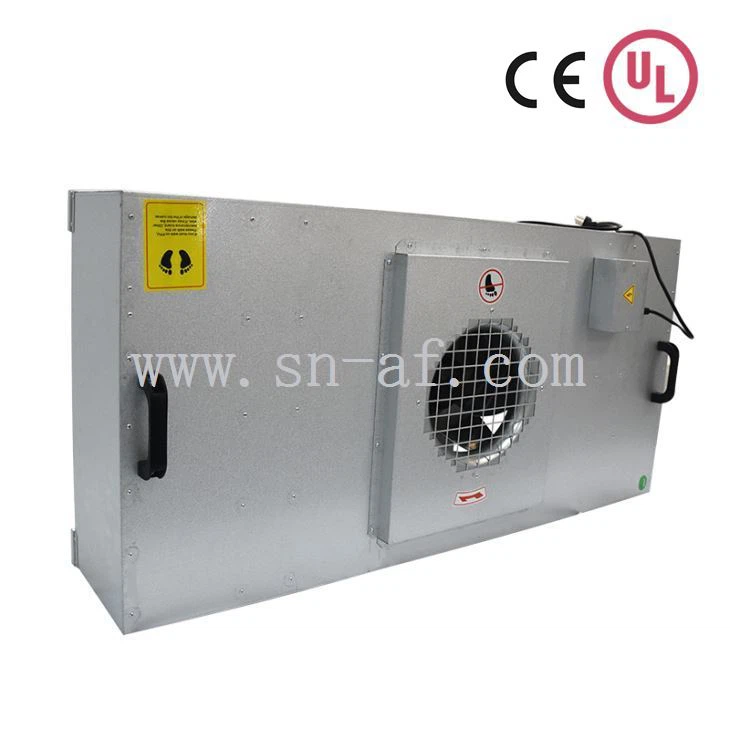
The Fan Filter Unit is a key element in maintaining air quality within a cleanroom. It combines a fan and a filter into a single unit, designed to provide a continuous flow of filtered air. The installation of an FFU is not as straightforward as it may seem at first glance.
First and foremost, proper electrical connection is essential. FFUs operate on specific voltage and frequency requirements. Incorrect electrical installation can lead to under - performance, overheating, or even electrical hazards. For example, if the voltage is too high, it can cause the fan motor to burn out, while too low a voltage may result in insufficient airflow. Professional installers are trained to handle electrical work safely and accurately, ensuring that the FFU is connected to the appropriate power source and that all wiring is properly insulated and grounded.
Secondly, the physical mounting of the FFU is crucial for its performance. FFUs need to be installed in a level and stable position to ensure uniform airflow distribution. If the unit is tilted or not securely fastened, it can cause uneven pressure across the filter, leading to reduced filtration efficiency and increased noise levels. Professional installers have the tools and expertise to measure and mount the FFU precisely, taking into account factors such as the layout of the cleanroom and the position of other equipment.
HEPA Box Installation Challenges
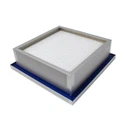
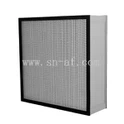
The HEPA (High - Efficiency Particulate Air) Box is another critical component in cleanroom filtration systems. The Gel Seal Terminal HEPA / ULPA Module and Roomside Replaceable HEPA Box are two common types of HEPA Boxes, each with its own installation requirements.
Gel seal terminal HEPA / ULPA modules require a high - level of precision during installation. The gel seal is designed to create an airtight seal around the filter, preventing any unfiltered air from bypassing the filter. Any damage to the gel seal during installation can compromise the integrity of the filtration system. Professional installers are familiar with the proper handling and installation techniques for gel seal modules, ensuring that the seal is intact and that the module is correctly positioned within the housing.
Roomside replaceable HEPA Boxes, while designed for easier replacement, still require careful installation. These boxes need to be properly aligned with the airflow path to ensure efficient filtration. In addition, the connection between the HEPA Box and the ductwork or other components of the ventilation system must be airtight. Professional installers can use specialized tools and techniques to ensure a proper fit and seal, minimizing the risk of air leakage and maintaining the overall performance of the cleanroom.
Safety Considerations
Safety is a top priority when it comes to installing FFU and HEPA Box systems. Cleanrooms often house sensitive equipment and materials, and any installation errors can pose a significant risk to both the equipment and the personnel working in the area.
During the installation process, there is a risk of exposure to electrical hazards, sharp edges, and potentially harmful particles. Professional installers are equipped with the necessary safety gear, such as gloves, safety glasses, and grounding straps, to protect themselves from these hazards. They are also trained in safety procedures, such as lock - out/tag - out protocols, to prevent accidental energization of electrical equipment during installation or maintenance.
Moreover, proper installation helps to prevent the release of contaminants into the cleanroom environment. If an FFU or HEPA Box is not installed correctly, it can cause air leakage, allowing unfiltered air to enter the cleanroom. This can contaminate sensitive products or equipment, leading to costly production losses and potential health risks for the workers.
Long - Term Performance and Maintenance
Professional installation has a direct impact on the long - term performance and maintenance of FFU and HEPA Box systems. When installed correctly, these systems are more likely to operate efficiently and reliably over their lifespan.
Properly installed FFUs and HEPA Boxes are less likely to experience premature wear and tear. For example, if an FFU is installed with correct electrical connections and proper mounting, the fan motor will operate at the optimal speed and temperature, reducing the risk of mechanical failure. Similarly, a well - installed HEPA Box will maintain its filtration efficiency, reducing the frequency of filter replacements and associated maintenance costs.
In addition, professional installers can provide valuable advice on maintenance schedules and best practices. They can help to establish a regular inspection and cleaning routine, ensuring that the FFU and HEPA Box systems are kept in good working condition. This proactive approach to maintenance can extend the lifespan of the equipment and minimize downtime, improving the overall productivity of the cleanroom.

When DIY Installation Might Be an Option
While professional installation is highly recommended in most cases, there may be some situations where DIY installation could be considered. For example, in small - scale cleanroom applications or for non - critical environments, individuals with a good understanding of electrical and mechanical systems may be able to install FFU and HEPA Box units. However, it is important to note that even in these cases, there are still risks involved.
Before attempting a DIY installation, it is essential to thoroughly research the installation process, follow the manufacturer's instructions carefully, and ensure that all necessary tools and safety equipment are available. It is also advisable to consult with the supplier or a professional in the field to get guidance and answer any questions.
Conclusion
In conclusion, the installation of FFU and HEPA Box systems is a complex task that requires technical expertise, safety awareness, and attention to detail. While it may be tempting to attempt a DIY installation to save costs, the potential risks and long - term implications make professional installation the preferred choice in most cases.
As a supplier of FFU and HEPA Box products, I understand the importance of providing high - quality products and ensuring that they are installed correctly. I recommend that customers consider hiring professional installers to ensure the optimal performance, safety, and longevity of their cleanroom filtration systems.
If you are interested in purchasing FFU or HEPA Box products for your cleanroom application, I encourage you to contact me for more information and to discuss your specific requirements. I am committed to providing the best products and support to help you achieve a clean and efficient working environment.
References
- Cleanroom Design and Operation Manual, Industry Standard Publications
- Fan Filter Unit Manufacturer's Installation Guide
- HEPA Box Technical Specifications and Installation Instructions