In the textile manufacturing industry, maintaining a clean and controlled environment is crucial for both product quality and worker health. As a leading supplier of FFU (Fan Filter Unit) and HEPA Box, I often receive inquiries about whether these products can be effectively used in textile factories. In this blog post, I will explore the feasibility and benefits of using FFU and HEPA Box in textile manufacturing settings.
Understanding the Textile Factory Environment
Textile factories are known for generating a significant amount of airborne contaminants, including lint, fibers, dust, and chemical particles. These pollutants can have several negative impacts:
- Product Quality: Lint and dust can settle on textile products during the manufacturing process, leading to defects, staining, and reduced fabric quality. This can result in higher rejection rates and increased production costs.
- Worker Health: Inhalation of airborne fibers and dust can cause respiratory problems, allergies, and other health issues among factory workers. Long - term exposure to these contaminants may even lead to more serious conditions such as pneumoconiosis.
- Equipment Performance: Accumulation of dust and lint on machinery can cause overheating, mechanical failures, and reduced efficiency. This can lead to increased maintenance costs and production downtime.
How FFU and HEPA Box Work
Before delving into their application in textile factories, let's briefly understand what FFU and HEPA Box are and how they function.
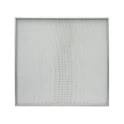
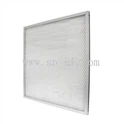
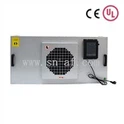
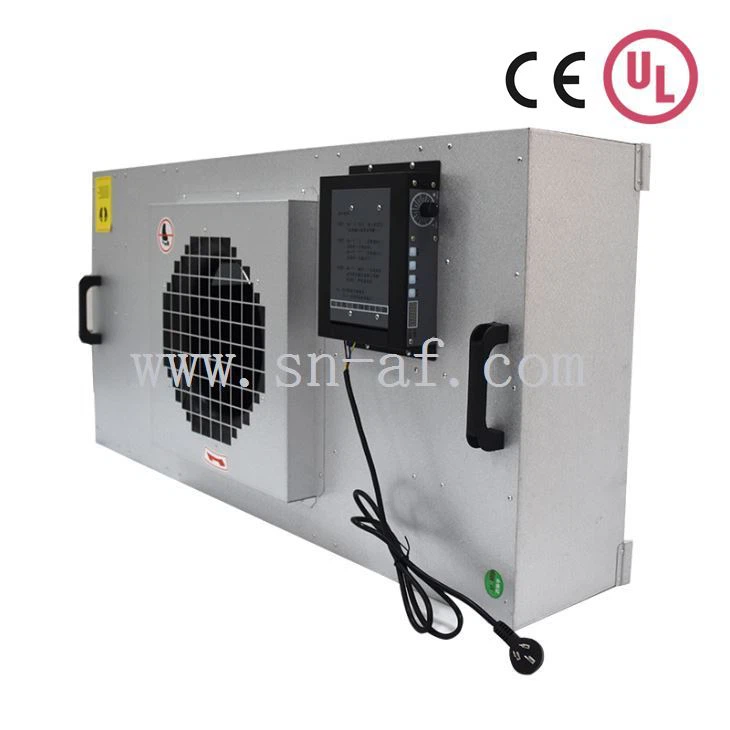
- Fan Filter Unit (FFU): A Fan Filter Unit is a self - contained, fan - powered air filtration device. It consists of a fan, a filter, and a housing. The fan draws in contaminated air from the surrounding environment and forces it through the filter. The filter traps particles of various sizes, removing them from the air stream before the clean air is released back into the room.
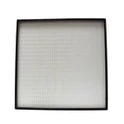
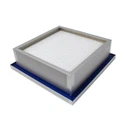
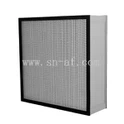
- HEPA Box: A HEPA (High - Efficiency Particulate Air) Box is a filtration system that uses a HEPA filter. HEPA filters are capable of capturing at least 99.97% of particles with a size of 0.3 micrometers. Roomside Replaceable HEPA Box and Gel Seal Silent Hood HEPA Box are two common types. The Roomside Replaceable HEPA Box allows for easy filter replacement from the room side, minimizing disruption to the production process. The Gel Seal Silent Hood HEPA Box features a gel seal for better airtightness and reduced noise levels.
Benefits of Using FFU and HEPA Box in Textile Factories
- Improved Air Quality: FFU and HEPA Box can significantly reduce the concentration of airborne contaminants in textile factories. By removing lint, fibers, and dust from the air, they create a cleaner and healthier working environment for employees. This can lead to a decrease in work - related health problems and an improvement in overall worker productivity.
- Enhanced Product Quality: Cleaner air means fewer particles settling on textile products during manufacturing. This results in fewer defects, higher - quality fabrics, and a lower rejection rate. As a result, textile manufacturers can improve their competitiveness in the market by delivering products that meet or exceed customer expectations.
- Extended Equipment Lifespan: With less dust and lint in the air, the risk of equipment damage due to particle accumulation is reduced. This extends the lifespan of machinery, reduces maintenance costs, and minimizes production downtime.
- Compliance with Regulations: Many countries and regions have strict regulations regarding workplace air quality. By using FFU and HEPA Box, textile factories can ensure compliance with these regulations, avoiding potential fines and legal issues.
Considerations for Implementing FFU and HEPA Box in Textile Factories
- Layout and Design: The layout of the textile factory plays an important role in the effectiveness of FFU and HEPA Box. Proper placement of these devices is necessary to ensure uniform air distribution and maximum filtration efficiency. Factors such as the size of the factory, the location of production equipment, and the direction of air flow need to be considered during the design phase.
- Filtration Requirements: Different areas of a textile factory may have different filtration requirements. For example, areas where spinning or weaving takes place may generate more lint and dust than areas for fabric finishing. Therefore, it is important to assess the specific contamination levels in each area and select the appropriate FFU and HEPA Box models with the right filtration efficiency.
- Maintenance and Monitoring: Regular maintenance of FFU and HEPA Box is essential to ensure their continued performance. This includes filter replacement, cleaning of the fan and housing, and monitoring of air flow and pressure. Establishing a maintenance schedule and using appropriate monitoring tools can help textile factories keep their air filtration systems in optimal condition.
Case Studies
Let's take a look at some real - world examples of textile factories that have successfully implemented FFU and HEPA Box systems:
- Factory A: A medium - sized textile factory was experiencing high rejection rates due to dust and lint contamination on its products. After installing a series of FFU and HEPA Box units in its production areas, the factory saw a significant reduction in product defects. The air quality in the workplace also improved, leading to fewer worker complaints about respiratory problems.
- Factory B: Another textile factory was facing frequent equipment breakdowns caused by dust accumulation. By implementing a comprehensive air filtration system with FFU and HEPA Box, the factory was able to reduce maintenance costs by 30% and increase overall production efficiency by 20%.
Conclusion
In conclusion, FFU and HEPA Box can be highly effective solutions for textile factories. They offer numerous benefits, including improved product quality, enhanced worker health, extended equipment lifespan, and compliance with regulations. However, proper planning, design, and maintenance are necessary to ensure their successful implementation.
If you are a textile factory owner or manager looking to improve your air quality and production processes, I encourage you to consider incorporating FFU and HEPA Box into your facility. Our company has extensive experience in providing high - quality FFU and HEPA Box products and can offer customized solutions based on your specific needs. Contact us today to start a discussion about how we can help you create a cleaner and more efficient textile manufacturing environment.

References
- "Air Filtration in Industrial Settings," Industrial Air Quality Journal, Volume 12, Issue 3.
- "Textile Manufacturing and Workplace Air Pollution," Textile Industry Review, Volume 20, Issue 4.
- "Benefits of HEPA Filtration in Manufacturing," Filtration Technology Magazine, Volume 8, Issue 2.