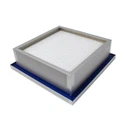
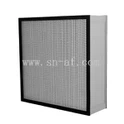
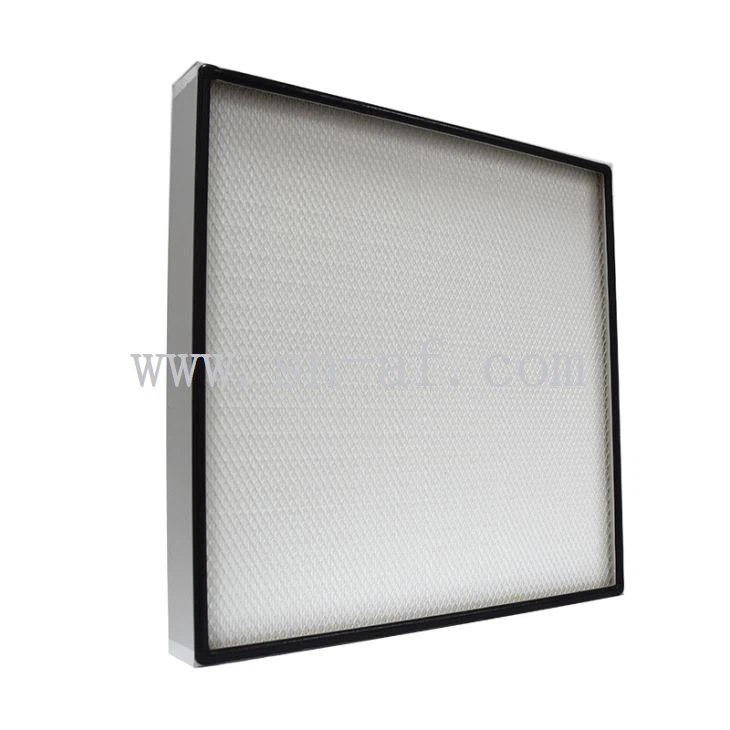
As a trusted supplier of H13 Mini-Pleat HEPA Filters, I often encounter questions from customers regarding the technical aspects of our products. One of the most frequently asked questions is about the static pressure of the H13 Mini-Pleat HEPA Filter. In this blog post, I will delve into the concept of static pressure, its significance in the performance of H13 Mini-Pleat HEPA Filters, and how it impacts your air filtration system.
Understanding Static Pressure
Before we discuss the static pressure of H13 Mini-Pleat HEPA Filters, it's essential to understand what static pressure is. Static pressure is the force exerted by a fluid (in this case, air) on a surface. In the context of air filtration systems, static pressure refers to the resistance that the air encounters as it passes through the filter. This resistance is caused by the physical structure of the filter, including the pleats, media, and frame.
Static pressure is typically measured in inches of water column (in. WC) or pascals (Pa). A higher static pressure indicates that the air has to work harder to pass through the filter, which can lead to increased energy consumption and reduced airflow. On the other hand, a lower static pressure means that the air can flow more easily through the filter, resulting in lower energy consumption and higher airflow.
Static Pressure of H13 Mini-Pleat HEPA Filters
The static pressure of an H13 Mini-Pleat HEPA Filter depends on several factors, including the filter's design, media type, and the airflow rate. H13 Mini-Pleat HEPA Filters are designed to provide high-efficiency filtration while maintaining a relatively low static pressure. This is achieved through the use of a mini-pleat design, which increases the surface area of the filter media without significantly increasing the filter's overall size.
The media used in H13 Mini-Pleat HEPA Filters is typically made of high-quality glass fiber or synthetic materials. These materials are designed to capture a high percentage of airborne particles, including dust, pollen, mold spores, and bacteria. The media's structure and composition also play a role in determining the filter's static pressure. For example, a denser media will generally have a higher static pressure than a less dense media.
The airflow rate is another important factor that affects the static pressure of an H13 Mini-Pleat HEPA Filter. As the airflow rate increases, the static pressure also increases. This is because the air has to move more quickly through the filter, which creates more resistance. Therefore, it's important to select an H13 Mini-Pleat HEPA Filter that is designed to handle the specific airflow rate of your air filtration system.
Significance of Static Pressure in Air Filtration Systems
The static pressure of an H13 Mini-Pleat HEPA Filter has a significant impact on the performance and efficiency of your air filtration system. Here are some of the key reasons why static pressure is important:
Energy Consumption
As mentioned earlier, a higher static pressure means that the air has to work harder to pass through the filter. This requires more energy from the fan or blower in your air filtration system, which can lead to increased energy consumption and higher operating costs. By selecting an H13 Mini-Pleat HEPA Filter with a lower static pressure, you can reduce the energy consumption of your air filtration system and save money on your energy bills.
Airflow
The static pressure of an H13 Mini-Pleat HEPA Filter also affects the airflow in your air filtration system. A higher static pressure can restrict the airflow, which can reduce the effectiveness of the filtration process. This can result in poor air quality and increased health risks. On the other hand, a lower static pressure allows for better airflow, which ensures that the air is effectively filtered and circulated throughout the space.
Filter Life
The static pressure of an H13 Mini-Pleat HEPA Filter can also impact the filter's lifespan. A higher static pressure can cause the filter to become clogged more quickly, which can reduce its effectiveness and require more frequent replacement. By selecting an H13 Mini-Pleat HEPA Filter with a lower static pressure, you can extend the filter's lifespan and reduce the frequency of filter replacements.

Comparing Static Pressure of Different HEPA Filters
When selecting an HEPA filter for your air filtration system, it's important to compare the static pressure of different filters to ensure that you choose the one that is best suited for your needs. Here is a comparison of the static pressure of H13 Mini-Pleat HEPA Filters with other types of HEPA filters:
Gel Seal HEPA Filter
Gel Seal HEPA Filter are designed to provide a high level of airtightness and filtration efficiency. These filters typically have a higher static pressure than H13 Mini-Pleat HEPA Filters due to their design and the use of a gel sealant. However, the higher static pressure is often offset by the filter's superior performance and durability.
H14 Mini-Pleat HEPA Filter
H14 Mini-Pleat HEPA Filter are similar to H13 Mini-Pleat HEPA Filters but offer a higher level of filtration efficiency. These filters typically have a slightly higher static pressure than H13 Mini-Pleat HEPA Filters due to the denser media used in their construction. However, the higher static pressure is often acceptable in applications where a higher level of filtration is required.
H11 Mini-Pleat Filter
H11 Mini-Pleat Filter are designed to provide a lower level of filtration efficiency than H13 and H14 Mini-Pleat HEPA Filters. These filters typically have a lower static pressure than H13 and H14 Mini-Pleat HEPA Filters due to the less dense media used in their construction. However, the lower static pressure may result in a lower level of filtration performance.
Selecting the Right H13 Mini-Pleat HEPA Filter
When selecting an H13 Mini-Pleat HEPA Filter for your air filtration system, it's important to consider the following factors:
Airflow Rate
As mentioned earlier, the airflow rate is an important factor that affects the static pressure of an H13 Mini-Pleat HEPA Filter. Make sure to select a filter that is designed to handle the specific airflow rate of your air filtration system.
Filtration Efficiency
The filtration efficiency of an H13 Mini-Pleat HEPA Filter is another important factor to consider. Make sure to select a filter that meets the specific filtration requirements of your application.
Static Pressure
The static pressure of an H13 Mini-Pleat HEPA Filter is also an important factor to consider. Make sure to select a filter that has a relatively low static pressure to reduce energy consumption and ensure optimal airflow.
Cost
The cost of an H13 Mini-Pleat HEPA Filter is also an important factor to consider. Make sure to compare the prices of different filters and select the one that offers the best value for your money.
Conclusion
In conclusion, the static pressure of an H13 Mini-Pleat HEPA Filter is an important factor that affects the performance and efficiency of your air filtration system. By understanding the concept of static pressure and its significance in air filtration, you can select the right H13 Mini-Pleat HEPA Filter for your needs and ensure that your air filtration system operates effectively and efficiently.
If you have any questions or need further information about H13 Mini-Pleat HEPA Filters or other air filtration products, please don't hesitate to contact us. We are a leading supplier of high-quality air filtration products and can provide you with the expert advice and support you need to select the right filter for your application. We look forward to discussing your air filtration needs and helping you find the best solution for your business.
References
- ASHRAE Handbook - Fundamentals
- ISO 16890:2016 Air filters for general ventilation - Determination of filtration performance
- EN 1822:2009 High efficiency air filters (HEPA and ULPA)