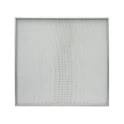
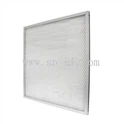
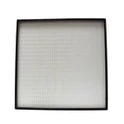
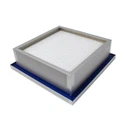
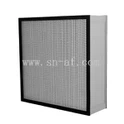
When it comes to air filtration systems, medium filters play a crucial role in maintaining indoor air quality. As a medium filter supplier, I've had the opportunity to work closely with these products, understanding their capabilities and limitations. While medium filters offer many advantages, it's important to be aware of their disadvantages as well. In this blog post, I'll explore some of the key drawbacks associated with medium filters.
Limited Filtration Efficiency for Small Particles
One of the primary disadvantages of medium filters is their relatively limited filtration efficiency when it comes to capturing small particles. Medium filters are typically designed to remove larger particles such as dust, pollen, and lint from the air. However, they may not be as effective at filtering out smaller particles like fine dust, smoke, and some types of bacteria and viruses.
The filtration efficiency of a medium filter is often measured using a Minimum Efficiency Reporting Value (MERV) rating. Medium filters typically have a MERV rating in the range of 6 - 13. While this is sufficient for capturing larger particles, particles smaller than 1 micron can still pass through the filter. For environments where high - level air purification is required, such as hospitals, laboratories, or clean rooms, medium filters may not provide adequate protection.
For example, in a hospital setting, the presence of airborne pathogens can pose a significant risk to patients and healthcare workers. Medium filters may not be able to effectively remove these small infectious particles, increasing the likelihood of cross - contamination and the spread of diseases.
Higher Pressure Drop
Another drawback of medium filters is the relatively high pressure drop they create in an air handling system. Pressure drop refers to the reduction in air pressure as air passes through the filter. When a filter has a high pressure drop, it requires more energy for the air handling unit (AHU) to push air through the system.
This increased energy consumption can lead to higher operating costs over time. As the filter accumulates more dirt and debris, the pressure drop will continue to increase, further straining the AHU and potentially reducing its lifespan. In large commercial or industrial buildings, where air handling systems operate continuously, the additional energy costs associated with high - pressure drop medium filters can be substantial.
For instance, in a large office building with multiple air handling units, the energy required to overcome the pressure drop of medium filters can account for a significant portion of the building's overall energy consumption. This not only impacts the bottom line but also has environmental implications due to increased energy usage and associated greenhouse gas emissions.
Shorter Service Life
Medium filters generally have a shorter service life compared to some other types of filters. Since they are designed to capture a relatively large amount of particles, they tend to become clogged more quickly. Once a filter is clogged, its filtration efficiency decreases, and the pressure drop increases significantly.
Regular filter replacement is necessary to maintain the performance of the air filtration system. However, frequent filter changes can be costly in terms of both the cost of the replacement filters and the labor required for installation. In addition, the disposal of used filters also presents an environmental challenge, as many filters are made from non - biodegradable materials.
For example, in a manufacturing facility where there is a high concentration of dust and debris in the air, medium filters may need to be replaced every few months. This constant need for replacement can add up to a significant expense over the course of a year.
Potential for Bacterial Growth
Under certain conditions, medium filters can provide a suitable environment for bacterial growth. If the filter becomes wet or damp, either due to condensation or exposure to moisture in the air, bacteria can start to multiply on the filter media.
This bacterial growth can not only compromise the air quality but also pose a health risk to the occupants of the building. As air passes through the contaminated filter, bacteria can be released into the air, leading to respiratory problems and other health issues.
In humid climates or in buildings with poor ventilation, the risk of bacterial growth on medium filters is particularly high. For example, in a building located in a coastal area where the air is often humid, proper maintenance and monitoring of the filters are essential to prevent bacterial contamination.
Limited Chemical Filtration
Medium filters are primarily designed for particulate filtration and have limited ability to remove chemical contaminants from the air. Chemical pollutants such as volatile organic compounds (VOCs), odors, and gaseous pollutants can still pass through the filter and remain in the indoor environment.
In environments where there is a significant source of chemical emissions, such as industrial facilities, printing shops, or automotive repair shops, medium filters alone may not be sufficient to provide a healthy indoor air quality. Additional chemical filtration systems may be required to remove these harmful substances.
For instance, in a printing shop where solvents and inks are used, the release of VOCs can cause headaches, dizziness, and other health problems for the workers. A medium filter will not be able to effectively remove these VOCs, and specialized activated carbon filters or other chemical filtration technologies may be needed.
Impact on System Performance
The use of medium filters can also have an impact on the overall performance of an air handling system. As mentioned earlier, the high pressure drop created by medium filters can strain the AHU, potentially leading to reduced airflow and uneven distribution of air throughout the building.


This can result in hot and cold spots, discomfort for the occupants, and inefficient operation of the HVAC system. In addition, if the filter is not properly sized or installed, it can cause air leakage around the filter frame, further reducing the effectiveness of the filtration system.
For example, in a large shopping mall, improper installation of medium filters can lead to areas with poor air circulation, making some parts of the mall uncomfortable for shoppers. This can also affect the energy efficiency of the HVAC system, as the system may need to work harder to maintain a consistent temperature and humidity level.
Conclusion
While medium filters are an important component of air filtration systems, they do come with several disadvantages. These include limited filtration efficiency for small particles, high pressure drop, shorter service life, potential for bacterial growth, limited chemical filtration, and impact on system performance.
However, it's important to note that these disadvantages can be mitigated through proper filter selection, installation, and maintenance. As a medium filter supplier, I recommend working closely with customers to understand their specific needs and requirements. For applications where high - level air purification is necessary, combining medium filters with other types of filters, such as high - efficiency particulate air (HEPA) filters or activated carbon filters, can provide a more comprehensive solution.
If you're interested in learning more about our Synthetic Pocket Filter or Pocket Air Filter F5, or if you have any questions about medium filters and how to address their disadvantages, please don't hesitate to contact us. We're here to help you find the best air filtration solution for your specific needs.
References
- ASHRAE Handbook - HVAC Systems and Equipment. American Society of Heating, Refrigerating and Air - Conditioning Engineers.
- "Air Filtration: Principles and Applications" by Klaus Willeke and Philip A. Baron.
- Indoor Air Quality Guidelines for Commercial Buildings. Environmental Protection Agency.