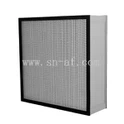
Hey there! As a supplier of FFU (Fan Filter Unit) and HEPA BOX, I often get asked about the static pressure of these products. So, I thought I'd take a few minutes to break it down for you.
First off, let's talk about what static pressure actually is. In simple terms, static pressure is the resistance that air encounters as it moves through a system. When it comes to FFU and HEPA BOX, static pressure plays a crucial role in determining how well these devices work.
Static Pressure in FFU
A Fan Filter Unit is a self - contained, fan - powered device that combines a fan and a filter. The main job of an FFU is to supply clean air to a specific area, like a cleanroom.
The static pressure of an FFU is important because it affects the airflow rate. You see, the fan in an FFU has to push air through the filter. The filter creates resistance, and this resistance is measured as static pressure. If the static pressure is too high, the fan might not be able to push enough air through the filter, which means the airflow rate will drop. On the other hand, if the static pressure is too low, it could indicate that there's a problem with the filter, like a leak or a damaged seal.
Most FFUs are rated for a specific static pressure range. For example, a common FFU might be rated for a static pressure of 100 - 300 Pa (Pascals). This means that the fan in the FFU is designed to work efficiently when the resistance (static pressure) it encounters is within this range.
When you're choosing an FFU, you need to consider the static pressure requirements of your application. If you're using a high - efficiency filter, it will typically create more resistance, so you'll need an FFU with a higher static pressure rating.
Static Pressure in HEPA BOX
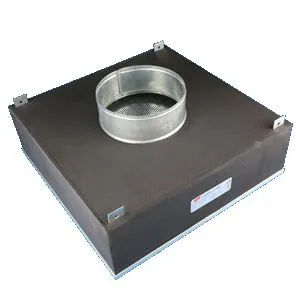
A HEPA BOX is a housing unit that contains a HEPA (High - Efficiency Particulate Air) filter. It's often used in conjunction with an FFU or other air - handling systems.
The static pressure of a HEPA BOX is also related to the resistance created by the HEPA filter. HEPA filters are designed to trap very small particles, and this filtering action creates a significant amount of resistance.
Let's say you have a Roomside Replaceable HEPA Box. The static pressure of this box will depend on the type and size of the HEPA filter it contains. A larger filter or a filter with a higher efficiency rating will generally have a higher static pressure.
Just like with FFUs, it's important to match the static pressure of the HEPA BOX with the capabilities of the air - handling system. If the static pressure of the HEPA BOX is too high for the system, it can cause issues like reduced airflow, increased energy consumption, and premature wear on the fan.
Measuring Static Pressure
So, how do you measure the static pressure of an FFU or a HEPA BOX? Well, you can use a device called a manometer. A manometer is a simple instrument that measures the difference in pressure between two points.
To measure the static pressure of an FFU, you'll typically measure the pressure on the inlet and the outlet of the unit. The difference between these two pressures is the static pressure. Similarly, for a HEPA BOX, you can measure the pressure before and after the filter to determine the static pressure.
It's important to measure the static pressure regularly, especially if you're using these devices in a critical environment like a cleanroom. Changes in static pressure can indicate problems with the filter, such as clogging or damage.
Factors Affecting Static Pressure
There are several factors that can affect the static pressure of FFU and HEPA BOX. One of the most significant factors is the condition of the filter. As the filter collects particles over time, it becomes clogged, and this increases the resistance and the static pressure.

The size and type of the filter also play a role. A larger filter will generally have a lower static pressure because it has more surface area for the air to pass through. Similarly, a filter with a lower efficiency rating will create less resistance and have a lower static pressure.
The design of the FFU or HEPA BOX can also affect the static pressure. For example, if the airflow path inside the unit is narrow or has a lot of bends, it can increase the resistance and the static pressure.
Importance of Proper Static Pressure
Maintaining the proper static pressure in your FFU and HEPA BOX is crucial for several reasons. First of all, it ensures that the devices are working efficiently. When the static pressure is within the recommended range, the fan can push the right amount of air through the filter, which means you'll get the desired airflow rate and clean air supply.
Proper static pressure also helps to extend the lifespan of the filter. If the static pressure is too high, the filter can become damaged more quickly, and you'll have to replace it more often. On the other hand, if the static pressure is too low, it might indicate that the filter isn't working properly, and you could be allowing contaminants into the environment.
In a cleanroom environment, maintaining the right static pressure is essential for meeting the required cleanliness standards. If the static pressure is off, it can lead to fluctuations in airflow and particle concentration, which can compromise the integrity of the cleanroom.
Our Products and Static Pressure
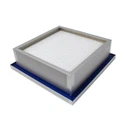
As a supplier of FFU and HEPA BOX, we take static pressure very seriously. Our Gel Seal Terminal HEPA / ULPA Module is designed to have a consistent and predictable static pressure. We use high - quality filters and advanced manufacturing techniques to ensure that our products perform optimally.
We offer a range of FFUs and HEPA BOXES with different static pressure ratings to meet the needs of various applications. Whether you're setting up a small laboratory cleanroom or a large - scale industrial cleanroom, we can provide you with the right products.
If you're in the market for FFU or HEPA BOX, and you're not sure which static pressure rating is right for your application, don't worry. Our team of experts is here to help. We can analyze your requirements and recommend the best products for your needs.
Contact Us for Procurement
If you're interested in purchasing FFU or HEPA BOX, we'd love to hear from you. We can provide you with detailed product information, pricing, and any other support you might need. Whether you're a small business or a large corporation, we're committed to providing you with the best products and services. So, don't hesitate to reach out and start a conversation about your procurement needs.
References
- ASHRAE Handbook - HVAC Systems and Equipment.
- ISO 14644 - 1:2015 Cleanrooms and associated controlled environments - Part 1: Classification of air cleanliness.