As a supplier of H13 Mini - Pleat HEPA Filters, I am often asked about the noise level when using these high - performance filtration devices. In this blog, I will delve into the factors that influence the noise level of H13 Mini - Pleat HEPA Filters and provide you with a comprehensive understanding of what to expect.
Understanding H13 Mini - Pleat HEPA Filters
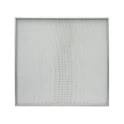
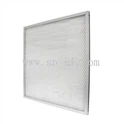
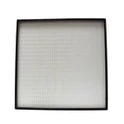
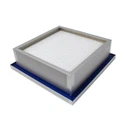
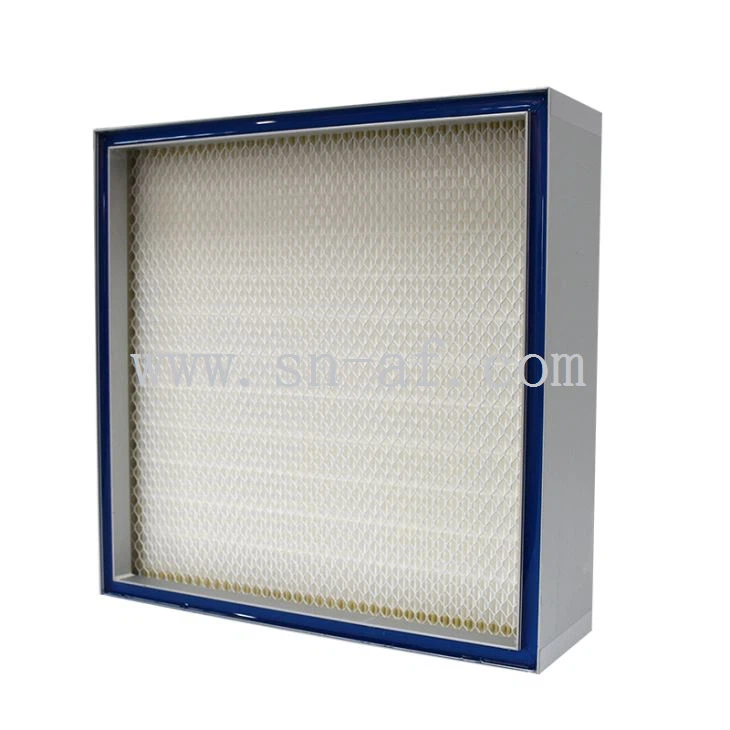
Before discussing the noise level, let's first understand what H13 Mini - Pleat HEPA Filters are. HEPA, which stands for High - Efficiency Particulate Air, is a standard for air filters. An H13 Mini - Pleat HEPA Filter is designed to capture at least 99.95% of particles as small as 0.3 microns. The "mini - pleat" design refers to the densely packed pleats of the filter media, which increases the surface area for filtration and thus enhances the filter's efficiency. You can learn more about our H13 Mini - Pleat HEPA Filter on our website.
Factors Affecting Noise Level
The noise level when using an H13 Mini - Pleat HEPA Filter is influenced by several factors. These factors can be broadly categorized into filter - related factors and system - related factors.
Filter - Related Factors
- Filter Resistance: The resistance of the filter to air flow is a crucial factor. As air passes through the filter media, it encounters resistance. A higher resistance means that the air has to work harder to pass through, which can result in increased noise. The pleating density and the type of filter media used in the H13 Mini - Pleat HEPA Filter can affect its resistance. A filter with a higher pleating density or a more dense filter media will generally have a higher resistance and may produce more noise.
- Filter Size: The size of the filter also plays a role. Larger filters typically have a lower resistance because they offer a larger surface area for air to pass through. As a result, they may produce less noise compared to smaller filters with the same pleating density and media type.
System - Related Factors
- Fan Performance: The fan used in the air filtration system is responsible for pushing air through the filter. A powerful fan can generate more noise, especially if it is operating at a high speed. The design and quality of the fan also matter. A well - designed fan with balanced blades and smooth air flow characteristics will produce less noise than a poorly designed one.
- Ductwork and Installation: The ductwork in the air filtration system can affect the noise level. If the ductwork is too narrow or has sharp bends, it can cause turbulence in the air flow, which in turn increases noise. Additionally, proper installation of the filter and the entire system is essential. Loose components or improper sealing can lead to air leaks, which can create noise.
Measuring Noise Level
The noise level of an air filtration system using an H13 Mini - Pleat HEPA Filter is typically measured in decibels (dB). A normal conversation is usually around 60 dB, while a quiet library may have a noise level of around 40 dB. Most H13 Mini - Pleat HEPA Filter systems operate within a range of 30 - 70 dB, depending on the factors mentioned above.
When measuring the noise level, it is important to use a sound level meter at a specific distance from the filter or the air outlet. The standard distance for measurement is usually 1 meter from the source of the noise.
Comparing with Other Filters
Let's compare the noise level of H13 Mini - Pleat HEPA Filters with other types of filters. For example, H14 Mini - Pleat HEPA Filter has a higher filtration efficiency than H13 filters, capturing at least 99.995% of particles as small as 0.3 microns. However, due to its higher efficiency, it may have a higher resistance and thus produce more noise.
On the other hand, Gel Seal HEPA Filter is known for its excellent sealing properties. While the gel seal itself does not directly affect the noise level, the overall system design with a gel - sealed filter may be optimized to reduce noise through better air flow management.
Reducing Noise Level
If you are concerned about the noise level when using an H13 Mini - Pleat HEPA Filter, there are several steps you can take to reduce it.
- Choose the Right Filter: Select a filter with an appropriate pleating density and size for your specific application. A filter with a lower resistance will generally produce less noise.
- Optimize the Fan: Choose a fan with a suitable performance rating and good design. You can also adjust the fan speed to a lower setting if possible, as a lower - speed fan will produce less noise.
- Improve Ductwork and Installation: Ensure that the ductwork is properly sized and has smooth bends to minimize air turbulence. Also, make sure that all components are tightly installed and sealed to prevent air leaks.
Conclusion
In conclusion, the noise level when using an H13 Mini - Pleat HEPA Filter is influenced by a combination of filter - related and system - related factors. By understanding these factors and taking appropriate measures, you can effectively manage the noise level of your air filtration system.

If you are interested in purchasing H13 Mini - Pleat HEPA Filters or have any questions about their performance, including noise level, please feel free to contact us for further discussion and procurement negotiation. We are committed to providing you with high - quality filtration solutions that meet your specific needs.
References
- "High - Efficiency Particulate Air (HEPA) Filters: Design, Performance, and Applications" - A technical guide on HEPA filters published by a leading industry research institute.
- "Noise Reduction in Air Filtration Systems" - A research paper focusing on strategies to reduce noise in air filtration setups.