Hey there! As a supplier of FFU (Fan Filter Unit) and HEPA BOX, I often get asked about how often these important pieces of equipment should be maintained. So, I thought I'd share some insights on this topic to help you keep your cleanroom environment in top - notch condition.
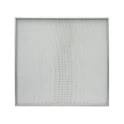
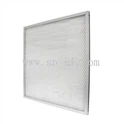
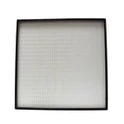
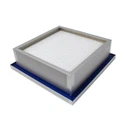
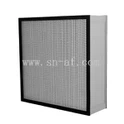
First off, let's understand what FFU and HEPA BOX are. An FFU, or Fan Filter Unit, is a self - contained, fan - powered air filtration device. It's usually installed in the ceiling of a cleanroom and is responsible for drawing in air, passing it through a filter, and then distributing the clean air into the room. On the other hand, a HEPA BOX is a housing unit that contains a High - Efficiency Particulate Air (HEPA) filter. These filters are designed to capture at least 99.97% of particles that are 0.3 microns in diameter or larger, making them crucial for maintaining a clean and particle - free environment.
Now, the frequency of maintenance for FFU and HEPA BOX depends on several factors. Let's break them down one by one.
1. Operating Environment
The environment in which the FFU and HEPA BOX are operating plays a huge role in determining maintenance frequency. If they are installed in a cleanroom that has a relatively low level of particulate contamination, such as a laboratory where experiments are conducted under controlled conditions, the maintenance interval can be longer. However, if they are in an industrial setting where there is a high volume of dust, fumes, or other contaminants, like a manufacturing plant for electronic components or a paint - spraying facility, more frequent maintenance will be required.
In a low - contamination environment, you might be able to get away with servicing the FFU and HEPA BOX every 6 to 12 months. This includes checking the fan performance, inspecting the filter for signs of clogging or damage, and cleaning or replacing any worn - out parts. But in a high - contamination environment, maintenance should be done every 3 to 6 months. The constant influx of particles will cause the filters to clog faster, and the fans may have to work harder, which can lead to more wear and tear.
2. Usage Hours
How long the FFU and HEPA BOX are running each day also affects maintenance needs. If they are only used for a few hours a day, say in a small research room that is only occupied during business hours, the components won't experience as much stress as those that run 24/7. For example, a 24/7 operation in a pharmaceutical manufacturing cleanroom will put a lot more strain on the equipment.
For part - time use (less than 8 hours a day), you can probably schedule maintenance once a year. But for continuous, round - the - clock operation, maintenance should be carried out every 3 to 6 months. Regularly monitoring the usage hours can help you plan your maintenance schedule more accurately.
3. Filter Quality
The quality of the HEPA filters used in the HEPA BOX and FFU is another important factor. High - quality filters are designed to last longer and perform better under heavy use. They are made with better materials and have a more efficient design, which means they can capture more particles without clogging as quickly.

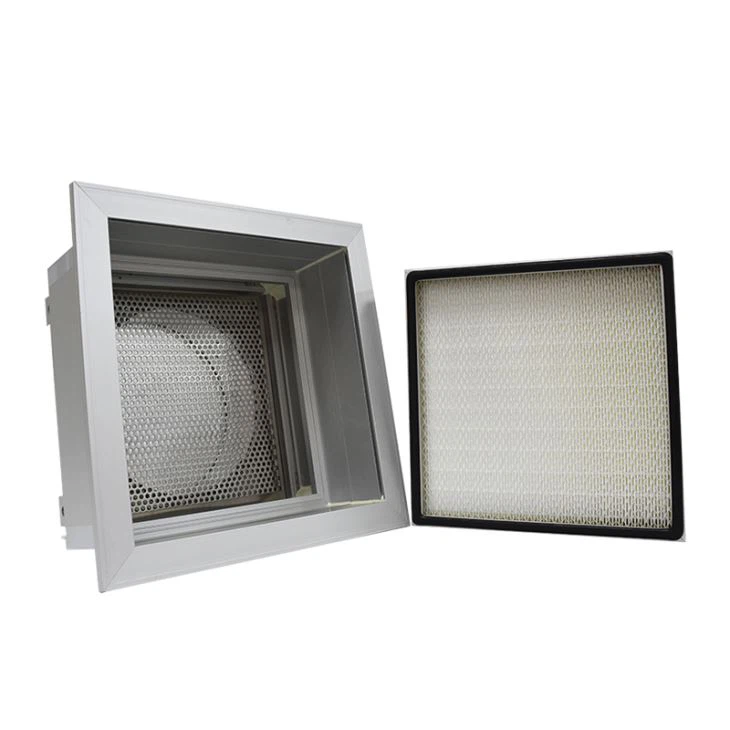
If you're using premium - grade HEPA filters, you may be able to extend the maintenance interval by a few months compared to using lower - quality filters. However, it's still important to regularly check the filters, regardless of their quality. Signs of a clogged filter include reduced airflow, increased noise from the FFU, and higher energy consumption.
4. Manufacturer's Recommendations
The manufacturers of FFU and HEPA BOX usually provide specific maintenance guidelines in the product manuals. These guidelines are based on extensive testing and research, so it's a good idea to follow them as closely as possible. They will give you a starting point for determining the appropriate maintenance frequency, and you can then adjust it based on the factors we've discussed above.
Maintenance Procedures
Now that we've talked about how often maintenance should be done, let's briefly go over what the maintenance procedures typically involve.
For FFU
- Fan Inspection: Check the fan blades for any signs of damage or imbalance. A damaged fan blade can cause vibrations, which not only affect the performance of the FFU but can also lead to premature wear of other components.
- Motor Testing: Test the motor to ensure it is running smoothly and at the correct speed. You can use a multimeter to check the electrical parameters and look for any signs of overheating.
- Belt and Bearing Check: If the FFU has a belt - driven system, check the belt for wear and tension. Also, inspect the bearings for signs of lubrication loss or damage.
- Airflow Measurement: Use an airflow meter to measure the amount of air being delivered by the FFU. A significant decrease in airflow could indicate a clogged filter or a problem with the fan.
For HEPA BOX
- Filter Inspection: Carefully examine the HEPA filter for any visible signs of damage, such as holes, tears, or excessive dust buildup. If the filter is damaged, it should be replaced immediately.
- Seal Check: Make sure the seals around the filter are intact and providing a proper seal. A leaky seal can allow unfiltered air to enter the cleanroom, defeating the purpose of the HEPA BOX.
- Housing Cleaning: Clean the inside of the HEPA BOX housing to remove any accumulated dust or debris. This will help maintain proper airflow and prevent the growth of mold or bacteria.
The Importance of Regular Maintenance
Regular maintenance of FFU and HEPA BOX is not just about keeping the equipment running smoothly. It's also crucial for maintaining the integrity of your cleanroom environment. A poorly maintained FFU or HEPA BOX can lead to a decrease in air quality, which can have serious consequences in industries such as healthcare, electronics manufacturing, and food processing.
In a healthcare setting, for example, a contaminated cleanroom can increase the risk of infections for patients. In electronics manufacturing, even a single particle can cause a defect in a microchip, leading to product failure. And in food processing, contaminated air can contaminate the food products, posing a health risk to consumers.
So, by investing in regular maintenance, you're not only protecting your equipment but also safeguarding your business and the well - being of your customers.
Contact Us for Your FFU and HEPA BOX Needs
If you're in the market for high - quality FFU and HEPA BOX, or if you need more information about maintenance or have any other questions, don't hesitate to reach out. We offer a wide range of products, including the Roomside Replaceable HEPA Box and Gel Seal Silent Hood HEPA Box, all designed to meet the highest standards of performance and reliability. Let's work together to keep your cleanroom environment in perfect condition!
References
- Cleanroom Technology Handbook: Best Practices for Design, Operation, and Maintenance
- Manufacturer's product manuals for FFU and HEPA BOX