Humidity is a critical environmental factor that can significantly influence the performance of bag filters in HVAC (Heating, Ventilation, and Air Conditioning) systems. As a leading supplier of bag filters for HVAC systems, we understand the importance of comprehending how humidity affects these filters. This knowledge is crucial for ensuring optimal system performance, energy efficiency, and indoor air quality.
The Basics of Bag Filters in HVAC Systems
Bag filters are widely used in HVAC systems to remove particulate matter from the air. They consist of multiple fabric bags that are arranged in a frame. As air passes through these bags, particles are trapped on the surface or within the fabric, allowing clean air to continue through the system. The efficiency of a bag filter is determined by factors such as the filter media, the design of the bags, and the airflow rate.
How Humidity Affects Filter Media
One of the primary ways humidity impacts bag filters is through its effect on the filter media. Most filter media are made of fibrous materials, such as synthetic fibers or natural fibers like cotton. When the humidity in the air is high, these fibers can absorb moisture. This absorption can cause several problems.
Firstly, the moisture can cause the fibers to swell. Swollen fibers can reduce the pore size of the filter media, which in turn can increase the resistance to airflow. As a result, the pressure drop across the filter increases. A higher pressure drop means that the HVAC system has to work harder to push air through the filter, leading to increased energy consumption. For example, studies have shown that a 10% increase in pressure drop can result in a 5 - 10% increase in energy consumption for the HVAC fan.
Secondly, the presence of moisture on the filter media can create a conducive environment for the growth of microorganisms such as bacteria, mold, and fungi. These microorganisms can not only degrade the filter media over time but also release harmful pollutants into the air. This can have a negative impact on indoor air quality, leading to potential health problems for building occupants, such as respiratory issues and allergies.
Impact on Particle Collection Efficiency
Humidity can also affect the particle collection efficiency of bag filters. In dry conditions, particles tend to be more likely to bounce off the filter media or be carried around it by the airflow. However, in high - humidity conditions, particles can become sticky due to the moisture in the air. This stickiness can increase the likelihood of particles adhering to the filter media, potentially improving the collection efficiency for certain types of particles.
On the other hand, if the humidity is extremely high, the moisture can cause particles to clump together. These larger clumps may not be captured as effectively by the filter, especially if the filter is designed to capture smaller particles. Additionally, the increased pressure drop due to high humidity can disrupt the normal airflow patterns within the filter, reducing the overall particle collection efficiency.
Influence on Filter Longevity
The lifespan of a bag filter is another aspect that is affected by humidity. High humidity levels can accelerate the degradation of the filter media. The swelling and contraction of the fibers due to moisture absorption and evaporation can cause mechanical stress on the fibers, leading to fiber breakage over time. Moreover, the growth of microorganisms on the filter media can also weaken the fibers and cause premature failure of the filter.
In addition, the moisture can cause corrosion of the filter frame and other metal components in the filter assembly. Corroded components can compromise the structural integrity of the filter, leading to leaks and reduced performance.
Strategies to Mitigate the Effects of Humidity
To minimize the negative effects of humidity on bag filters in HVAC systems, several strategies can be employed. One approach is to control the humidity levels within the HVAC system. This can be achieved through the use of humidifiers and dehumidifiers. By maintaining the relative humidity within an optimal range (typically between 30% - 60%), the risks associated with high - humidity conditions can be reduced.
Another strategy is to select filter media that are more resistant to moisture. For example, some synthetic filter media are designed to have low moisture absorption rates. These media can maintain their performance and integrity even in high - humidity environments. Additionally, regular maintenance of the bag filters is essential. This includes inspecting the filters for signs of moisture damage, cleaning or replacing the filters as needed, and ensuring proper ventilation to prevent the buildup of moisture.
Our Products and Solutions
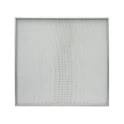
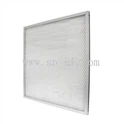
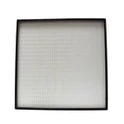
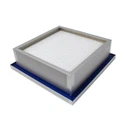
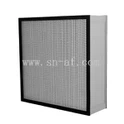
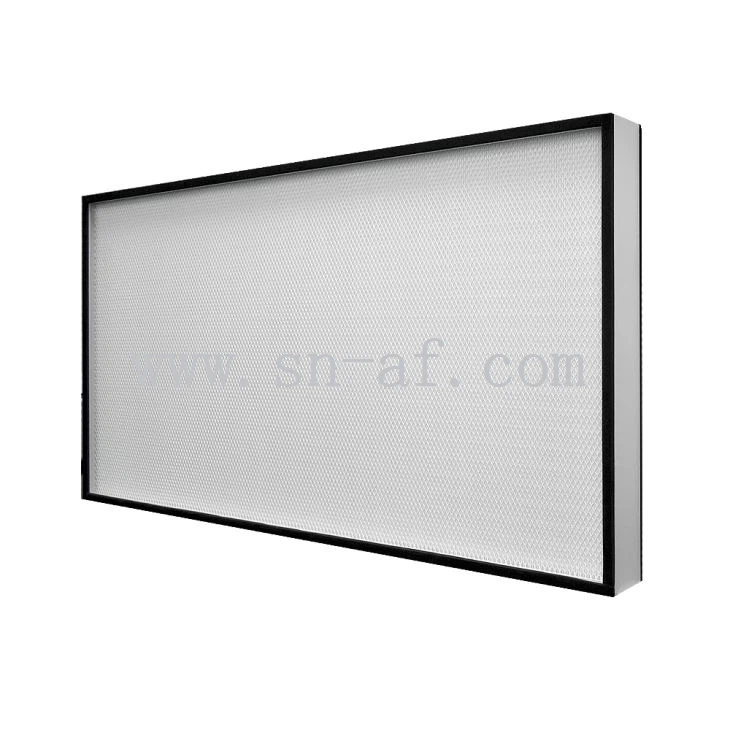
As a supplier of bag filters for HVAC systems, we offer a range of high - quality products that are designed to perform well in various humidity conditions. Our Mini-pleated HEPA Air Filter is made of advanced filter media that has excellent moisture - resistance properties. It can effectively capture a wide range of particles while maintaining low pressure drop, even in high - humidity environments.
Our Pocket Air Filter Performance filters are also engineered to provide reliable performance in different humidity levels. They are designed with a unique pocket structure that maximizes the filter surface area and allows for efficient particle collection.
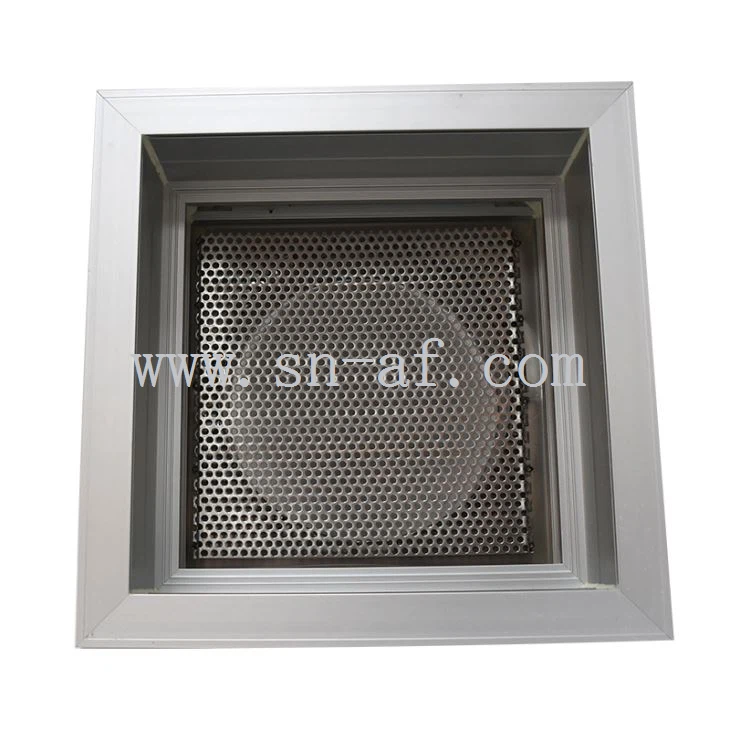
In addition, we offer Replaceable Diffusers that can be used in conjunction with our bag filters. These diffusers help to distribute the airflow evenly across the filter, reducing the impact of humidity - induced pressure drop variations.
Conclusion and Call to Action
In conclusion, humidity plays a significant role in the performance of bag filters in HVAC systems. Understanding how humidity affects filter media, particle collection efficiency, and filter longevity is essential for ensuring the optimal operation of HVAC systems and maintaining good indoor air quality.
As a professional supplier of bag filters for HVAC systems, we are committed to providing high - quality products and solutions that can withstand the challenges posed by different humidity conditions. Whether you are looking to upgrade your existing HVAC system or install a new one, our products can offer reliable performance and energy - efficient operation.
If you are interested in learning more about our bag filters and how they can be tailored to your specific humidity and HVAC requirements, we invite you to contact us for a consultation. Our team of experts is ready to assist you in selecting the right products for your needs and ensuring a successful installation and operation of your HVAC system.
References
- ASHRAE Handbook - HVAC Systems and Equipment. American Society of Heating, Refrigerating and Air - Conditioning Engineers.
- "Effect of Humidity on Air Filter Performance" - Journal of Indoor Air Quality Research.
- "Particle Collection Efficiency of Filters under Different Humidity Conditions" - International Journal of HVAC Science and Technology.