Hey there! As a supplier of high temperature filters, I often get asked about the flow rate of these nifty devices. So, I thought I'd take a deep dive into this topic and share everything you need to know.


First off, let's understand what flow rate means. In simple terms, the flow rate of a high temperature filter is the volume of air or gas that can pass through the filter in a given amount of time. It's usually measured in cubic feet per minute (CFM) or cubic meters per hour (m³/h). Why is this important? Well, it determines how effectively the filter can clean the air or gas in a particular space. If the flow rate is too low, the filter might not be able to keep up with the amount of contaminants entering the system, and if it's too high, it could put unnecessary strain on the filter and reduce its lifespan.
Now, what factors affect the flow rate of a high temperature filter? There are quite a few, actually. One of the main factors is the filter's media. Different types of filter media have different levels of porosity, which affects how easily air or gas can pass through. For example, a filter with a more open media structure will generally have a higher flow rate than one with a denser media.
The size of the filter also plays a role. Larger filters typically have a higher flow rate because they have more surface area for the air or gas to pass through. However, it's important to note that the size of the filter needs to be appropriate for the application. A filter that's too large might be overkill and could lead to increased costs, while a filter that's too small might not be able to handle the required flow rate.
Another factor is the pressure drop across the filter. Pressure drop is the difference in pressure between the inlet and the outlet of the filter. As air or gas passes through the filter, it encounters resistance, which causes a drop in pressure. A higher pressure drop means that the filter is more restrictive, and this can reduce the flow rate. To maintain a good flow rate, it's important to choose a filter with a low pressure drop.
The temperature of the air or gas being filtered is also a crucial factor. High temperatures can cause the filter media to expand or contract, which can affect its porosity and, in turn, the flow rate. That's why it's essential to use a high temperature filter that's specifically designed to withstand the operating temperature of your application.
So, how do you determine the right flow rate for your high temperature filter? The first step is to assess the requirements of your application. Consider the size of the space that needs to be filtered, the volume of air or gas that needs to be processed, and the level of filtration required. You can also consult with a filtration expert or use online calculators to get a more accurate estimate.
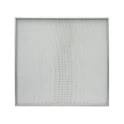
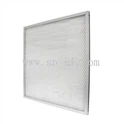
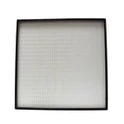
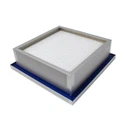
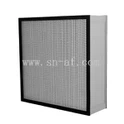
At our company, we offer a wide range of High Temperature HEPA Filter that are designed to meet different flow rate requirements. Our filters are made from high-quality materials that can withstand extreme temperatures and provide efficient filtration. Whether you need a filter for a small laboratory or a large industrial facility, we've got you covered.
If you're in the market for a high temperature filter, it's important to choose a reliable supplier. Look for a company that has a good reputation, offers high-quality products, and provides excellent customer service. At our company, we pride ourselves on our commitment to quality and customer satisfaction. We work closely with our customers to understand their needs and provide them with the best filtration solutions.
Once you've selected the right high temperature filter for your application, it's important to install and maintain it properly. Improper installation can lead to leaks and reduced performance, while poor maintenance can cause the filter to clog and reduce its flow rate. Make sure to follow the manufacturer's instructions for installation and maintenance, and replace the filter regularly to ensure optimal performance.
In conclusion, the flow rate of a high temperature filter is a critical factor that determines its effectiveness and performance. By understanding the factors that affect flow rate and choosing the right filter for your application, you can ensure that your filtration system operates efficiently and effectively. If you have any questions or need help selecting the right high temperature filter, don't hesitate to reach out. We're here to help you find the best solution for your needs. Whether you're a small business owner or a large industrial operator, we can work with you to develop a customized filtration plan that meets your specific requirements. So, if you're interested in learning more about our high temperature filters or want to discuss your filtration needs, just get in touch. We're looking forward to helping you improve the air quality in your facility and ensuring the smooth operation of your equipment.
References
- "Filtration Handbook" by Christopher D. Dorman
- Industry standards and guidelines related to high temperature filtration