Do ULPA Filters work well in large open spaces?
As a ULPA filter supplier, I've often been asked whether ULPA filters are effective in large open spaces. It's a question that requires a detailed exploration, considering the unique characteristics of both ULPA filters and large open environments.
Understanding ULPA Filters
ULPA, or Ultra - Low Penetration Air, filters are a type of high - efficiency air filter. They are designed to capture extremely small particles, with a minimum efficiency of 99.999% for particles 0.12 microns in diameter. This high - efficiency rating makes them a popular choice in environments where air quality is of utmost importance, such as semiconductor manufacturing cleanrooms, pharmaceutical production facilities, and some high - end healthcare settings.
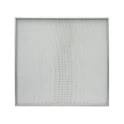
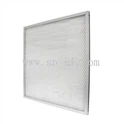
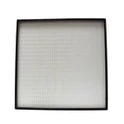
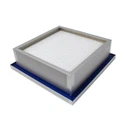
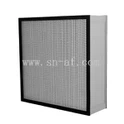
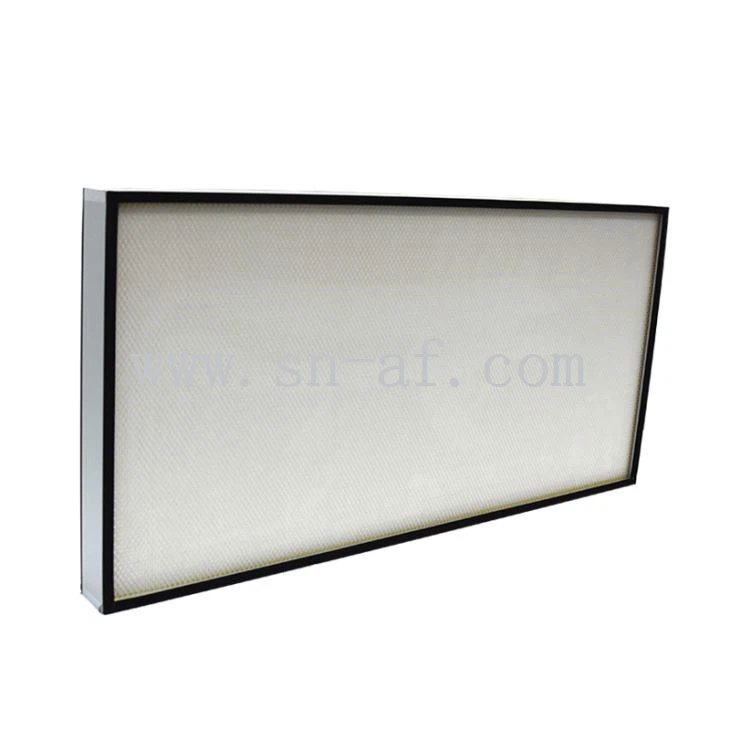
The construction of ULPA filters is quite sophisticated. They typically consist of a pleated filter media, which increases the surface area available for particle capture. For example, our U17 Mini - Pleat ULPA Filter, U15 Mini - Pleat ULPA Filter, and U16 Mini - Pleat ULPA Filter are engineered with advanced mini - pleat technology. This design not only maximizes the filtration area but also ensures a more uniform airflow distribution across the filter surface, enhancing the overall filtration performance.
Challenges in Large Open Spaces
Large open spaces present several challenges when it comes to air filtration. Firstly, the volume of air in these spaces is significantly larger compared to enclosed rooms. This means that a much greater amount of air needs to be filtered to achieve a desired level of air quality. For instance, a large convention center or an industrial warehouse can have thousands of cubic meters of air that constantly needs to be circulated and purified.
Secondly, air movement in large open spaces is often more complex. There are usually multiple sources of air intake and exhaust, and air can be easily affected by external factors such as wind, ventilation systems, and the movement of people and equipment. These factors can create turbulent airflows, which may prevent the efficient capture of particles by the filters.
Factors Affecting ULPA Filter Performance in Large Open Spaces
Airflow Rate
The airflow rate is a crucial factor in determining the effectiveness of ULPA filters in large open spaces. To ensure proper filtration, the air needs to pass through the filter at an appropriate speed. If the airflow rate is too high, the particles may not have enough time to be captured by the filter media, leading to reduced filtration efficiency. On the other hand, if the airflow rate is too low, the overall air circulation in the space will be slow, and it may take a long time to achieve the desired air quality.
Placement of Filters
The placement of ULPA filters also plays a vital role. In large open spaces, strategic placement is necessary to ensure that the filters can effectively capture the particles in the air. For example, filters should be placed in areas where the air is most likely to be contaminated, such as near sources of pollution or in areas with high traffic. Additionally, proper spacing between filters is required to avoid creating dead zones where air circulation is poor.
Maintenance
Regular maintenance is essential for the long - term performance of ULPA filters in large open spaces. Over time, the filter media will accumulate particles, which can increase the pressure drop across the filter and reduce its efficiency. Therefore, filters need to be replaced or cleaned at regular intervals. However, in large open spaces, accessing and maintaining the filters can be more challenging due to their size and location.
Advantages of Using ULPA Filters in Large Open Spaces
Despite the challenges, there are several advantages to using ULPA filters in large open spaces.
High - Efficiency Filtration
ULPA filters offer a high level of filtration efficiency, which can significantly improve the air quality in large open spaces. They can effectively remove harmful particles such as dust, pollen, bacteria, and viruses from the air, creating a healthier environment for the people in the space. This is particularly important in settings such as hospitals, schools, and public buildings, where the health and well - being of the occupants are a top priority.
Versatility
ULPA filters can be customized to meet the specific needs of different large open spaces. They can be designed in various sizes, shapes, and configurations to fit different ventilation systems. For example, in industrial settings, ULPA filters can be integrated into large - scale air handling units to provide comprehensive air purification.
Long - Term Cost - Effectiveness
Although ULPA filters may have a higher initial cost compared to some other types of filters, they can be cost - effective in the long run. Their high - efficiency filtration performance means that they can reduce the need for frequent filter replacements and maintenance, which can save both time and money in the long term.
Strategies for Optimizing ULPA Filter Performance in Large Open Spaces
To ensure the optimal performance of ULPA filters in large open spaces, the following strategies can be implemented.
Design a Comprehensive Ventilation System
A well - designed ventilation system is crucial for the effective use of ULPA filters in large open spaces. The system should be able to provide a uniform airflow across the space and ensure that the air passes through the filters at the appropriate rate. This may involve the use of multiple fans, ducts, and air diffusers to control the air movement.

Conduct Regular Air Quality Monitoring
Regular air quality monitoring can help to determine the effectiveness of the ULPA filters and identify any potential issues. By measuring the particle concentration in the air at different locations in the space, it is possible to detect areas where the filtration performance may be poor and take appropriate measures to improve it.
Provide Adequate Training for Maintenance Staff
Since maintenance is a critical aspect of ULPA filter performance, it is important to provide adequate training for the maintenance staff. They should be familiar with the proper procedures for filter replacement, cleaning, and inspection. Additionally, they should be able to troubleshoot any problems that may arise during the operation of the filters.
Conclusion
In conclusion, ULPA filters can work well in large open spaces, but their performance depends on several factors. While there are challenges such as airflow rate, placement, and maintenance, the high - efficiency filtration, versatility, and long - term cost - effectiveness of ULPA filters make them a viable option for improving the air quality in these spaces. By implementing appropriate strategies such as designing a comprehensive ventilation system, conducting regular air quality monitoring, and providing adequate training for maintenance staff, the performance of ULPA filters in large open spaces can be optimized.
If you are considering using ULPA filters for your large open space, I encourage you to contact us for more information. Our team of experts can provide you with detailed product specifications, installation guidance, and cost - benefit analysis. We are committed to helping you find the best air filtration solution for your specific needs.
References
- "Air Filtration Principles and Applications" by George A. Sextro
- "HVAC Systems: Design and Installation" by Stephen R. Turnock
- Industry reports on air filtration technologies and their applications in large - scale environments.