Hey there! As an industrial filter supplier, I've seen firsthand how various factors can affect the performance of our filters. One factor that doesn't always get the attention it deserves is vibration. In this blog, I'm gonna dive into the impact of vibration on industrial filter performance and why it matters for your operations.
How Vibration Affects Filter Structure
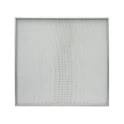
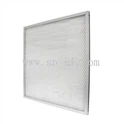
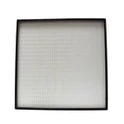
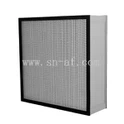
Let's start with the basics. Industrial filters, like our Cleanroom Aluminum Frame HEPA Filter, are designed with a specific structure to trap contaminants effectively. Vibration can mess with that structure big time.
Over time, continuous vibration can cause the filter media to shift or loosen. Think of it like a jigsaw puzzle that gets shaken up. The pieces that were once neatly fit together start to move around. This can create gaps in the filter media, allowing contaminants to bypass the filter and get into the system.
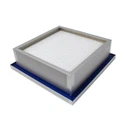
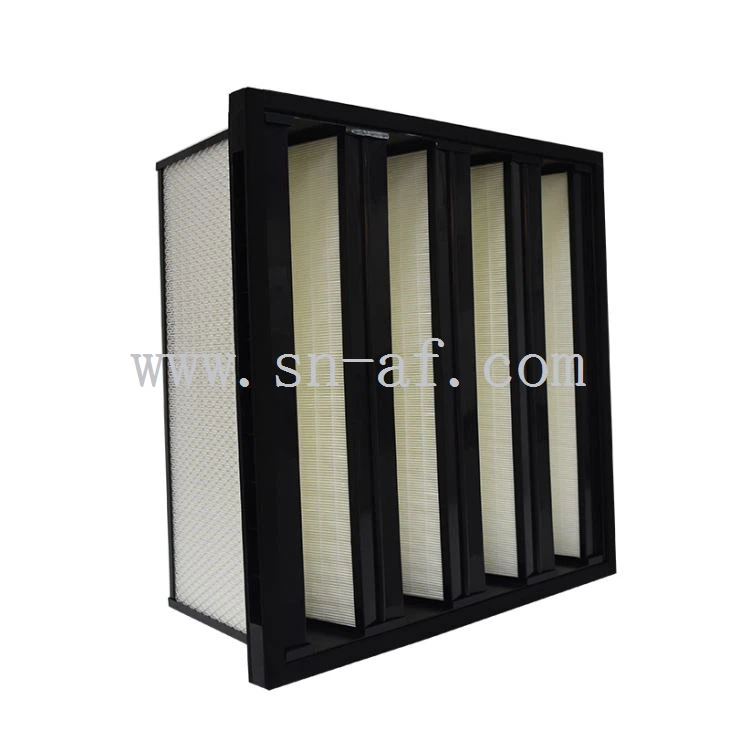
For instance, in a manufacturing plant where heavy machinery generates a lot of vibration, the filters in the ventilation system are at risk. The filter media in our Mini Pleat V Bank HEPA Air Filter might start to separate at the seams due to the constant shaking. This not only reduces the filter's efficiency but also shortens its lifespan.
Impact on Filtration Efficiency
The main job of an industrial filter is to remove contaminants from the air or fluid passing through it. Vibration can seriously impact this efficiency. When the filter media is damaged by vibration, it can't trap particles as effectively as it should.
Let's say you have a filtration system in a chemical processing plant. The filters are supposed to remove harmful chemicals and dust particles from the exhaust air. But if the filters are exposed to high levels of vibration, the filter media might develop holes or tears. As a result, some of those harmful particles can slip through the filter and be released into the environment, posing a risk to workers and the surrounding area.
In addition, vibration can also cause the particles that are already trapped in the filter to become dislodged. These particles can then re-enter the system, creating a cycle of contamination. This means that the filter has to work harder to clean the air or fluid, which can lead to increased energy consumption and higher operating costs.
Noise and Maintenance Issues
Vibration doesn't just affect the filter's performance; it can also create other problems. One of the most obvious issues is noise. When a filter is vibrating, it can make a lot of noise, which can be a nuisance for workers in the area.
Moreover, the constant vibration can also lead to mechanical wear and tear on the filter housing and other components of the filtration system. This means that you'll have to do more maintenance and replace parts more frequently. For example, the mounting brackets of our V-Compact Filter might loosen over time due to vibration, requiring regular tightening or replacement.
How to Mitigate the Impact of Vibration
So, what can you do to reduce the impact of vibration on your industrial filters? Here are a few tips:
- Proper Installation: Make sure that the filters are installed correctly and securely. Use vibration-dampening mounts or pads to reduce the amount of vibration transferred to the filter.
- Regular Inspection: Check the filters regularly for signs of damage or wear. Look for any loose parts, tears in the filter media, or other issues that could be caused by vibration.
- Vibration Monitoring: Consider using vibration monitoring equipment to keep track of the vibration levels in your filtration system. This can help you detect any problems early and take corrective action before they cause serious damage.
- Choose the Right Filter: When selecting a filter for your application, consider the level of vibration in the environment. Some filters are designed to be more resistant to vibration than others. Our company offers a range of filters that are specifically engineered to withstand high levels of vibration, so you can choose the one that's best for your needs.
Why It Matters for Your Business
As an industrial filter supplier, I know that the performance of your filters is crucial for the success of your business. A filter that's not working properly can lead to a whole host of problems, including reduced product quality, increased downtime, and higher operating costs.
By understanding the impact of vibration on industrial filter performance and taking steps to mitigate it, you can ensure that your filtration system is working at its best. This means cleaner air or fluid, better product quality, and lower costs in the long run.
If you're interested in learning more about our industrial filters or need help selecting the right filter for your application, don't hesitate to get in touch. We're here to help you find the best solution for your needs and ensure that your filtration system is running smoothly.

References
- Smith, J. (2020). The Effects of Vibration on Industrial Filtration Systems. Journal of Industrial Filtration, 15(2), 45-52.
- Johnson, A. (2019). Vibration and Its Impact on Filter Performance. Industrial Filtration Magazine, 22(3), 67-74.
- Brown, C. (2018). Mitigating Vibration in Industrial Filtration Systems. Proceedings of the International Conference on Filtration Technology, 123-130.