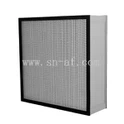
As a supplier of the H14 Mini - Pleat HEPA Filter, I often receive inquiries about its suitability for various applications, especially in food processing plants. In this blog, I will delve into the key aspects to determine whether the H14 Mini - Pleat HEPA Filter can be used in a food processing plant.
Understanding the H14 Mini - Pleat HEPA Filter
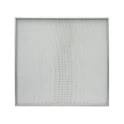
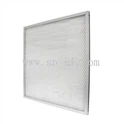
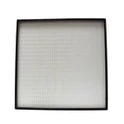
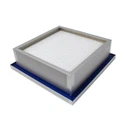
Before discussing its application in food processing plants, let's have a clear understanding of the H14 Mini - Pleat HEPA Filter. The H14 Mini - Pleat HEPA Filter is a high - efficiency particulate air filter. It is designed to capture very small particles, with an efficiency of at least 99.995% for particles as small as 0.3 micrometers. This high - efficiency filtration is achieved through its mini - pleat design, which maximizes the filter media surface area within a compact space.
The filter media is typically made of high - quality materials that are resistant to damage and can maintain their filtration performance over an extended period. The construction of the filter also includes a sturdy frame that provides support and ensures proper installation in the ventilation system.
Requirements in a Food Processing Plant
Food processing plants have strict requirements for air quality. These requirements are in place to ensure the safety and quality of the food products being processed. Contaminants in the air, such as dust, pollen, bacteria, and mold spores, can pose significant risks to food safety.
Microbial Contamination
Microorganisms like bacteria and fungi can cause food spoilage and foodborne illnesses. For example, Salmonella and E. coli are well - known pathogens that can contaminate food if present in the processing environment. A proper air filtration system is essential to reduce the presence of these microorganisms in the air and prevent them from settling on the food products.
Particulate Matter
Dust and other particulate matter can also contaminate food. These particles can carry dirt, chemicals, and other contaminants that may affect the taste, appearance, and safety of the food. In addition, fine particulate matter can accumulate on processing equipment, affecting its performance and potentially leading to mechanical failures.


Odor and Chemicals
Some food processing operations may generate odors or release chemicals into the air. For example, during the baking process, volatile organic compounds (VOCs) may be released. A good air filtration system should be able to remove these odors and chemicals to maintain a clean and healthy working environment.
Advantages of Using H14 Mini - Pleat HEPA Filter in Food Processing Plants
High - Efficiency Filtration
The H14 Mini - Pleat HEPA Filter's high - efficiency filtration capability makes it an excellent choice for food processing plants. It can effectively capture a wide range of particles, including microorganisms and fine particulate matter. By removing these contaminants from the air, the filter helps to maintain a clean and sterile environment, reducing the risk of food contamination.
Compact Design
The mini - pleat design of the filter allows for a large filtration area in a relatively small space. This is particularly beneficial in food processing plants where space may be limited. The compact filter can be easily integrated into existing ventilation systems without requiring significant modifications.
Durability
The filter is constructed with high - quality materials that are resistant to wear and tear. This means that it can withstand the harsh conditions in a food processing plant, such as high humidity and temperature variations. A durable filter reduces the frequency of filter replacements, which in turn reduces maintenance costs.
Potential Concerns and Considerations
Compatibility with Food - Grade Standards
Although the H14 Mini - Pleat HEPA Filter is highly effective in filtration, it is important to ensure that it meets food - grade standards. The filter materials should be non - toxic and should not release any harmful substances into the air that could contaminate the food. Some filters may need to be specifically treated or made from materials that are approved for use in food processing environments.
Maintenance and Cleaning
Proper maintenance and cleaning of the filter are crucial to ensure its continued performance. In a food processing plant, the filter may need to be cleaned or replaced more frequently due to the high level of contaminants in the air. It is important to follow the manufacturer's guidelines for maintenance to avoid any potential issues.
Pressure Drop
The H14 Mini - Pleat HEPA Filter may cause a certain degree of pressure drop in the ventilation system. This can affect the airflow and energy consumption of the system. It is necessary to consider the pressure drop characteristics of the filter and ensure that the ventilation system is designed to handle it effectively.
Comparison with Other Types of HEPA Filters
Separator HEPA Filter
The Separator HEPA Filter is another type of HEPA filter commonly used in various applications. Compared to the H14 Mini - Pleat HEPA Filter, the separator filter has a different design. It uses separators between the filter media pleats to maintain the spacing. While it can also provide high - efficiency filtration, the mini - pleat design of the H14 filter generally allows for a higher filtration area in a smaller space.
Gel Seal HEPA Filter
The Gel Seal HEPA Filter is known for its excellent sealing properties. The gel seal helps to prevent air leakage around the filter, ensuring that all the air passing through the system is filtered. However, the H14 Mini - Pleat HEPA Filter also has good sealing mechanisms in its construction, and its high - efficiency filtration performance can be comparable to that of the gel seal filter.
Conclusion
In conclusion, the H14 Mini - Pleat HEPA Filter can be a suitable choice for use in a food processing plant. Its high - efficiency filtration, compact design, and durability make it well - suited to meet the air quality requirements in such an environment. However, it is important to ensure that the filter meets food - grade standards and that proper maintenance procedures are followed.
When considering the use of the H14 Mini - Pleat HEPA Filter in a food processing plant, it is advisable to consult with a professional in the field of air filtration and food safety. They can provide more detailed guidance based on the specific requirements of the plant.
If you are interested in learning more about the H14 Mini - Pleat HEPA Filter or would like to discuss its suitability for your food processing plant, please feel free to contact us for a procurement negotiation. We are committed to providing high - quality filtration solutions to meet your needs.
References
- "Food Safety and Quality Assurance in the Food Industry" by John F. Kennedy
- "Air Filtration Handbook" by Donald W. Cooper and William C. Alley