As a supplier of HEPA filters, I often receive inquiries from customers about the suitability of our products in various environmental conditions. One of the most common questions is whether a HEPA filter can be used in a humid environment. In this blog post, I will delve into this topic, exploring the potential challenges and solutions associated with using HEPA filters in high - humidity settings.

Understanding HEPA Filters
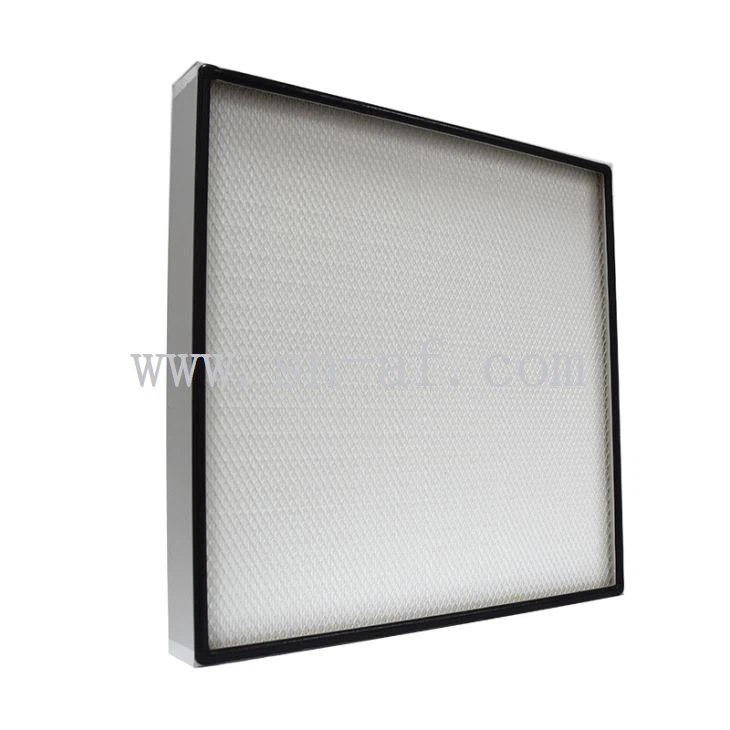
Before discussing the impact of humidity, it's essential to understand what HEPA filters are. HEPA, which stands for High - Efficiency Particulate Air, is a type of air filter that can remove at least 99.97% of particles that are 0.3 microns in diameter from the air passing through it. These filters are widely used in a variety of applications, including residential air purifiers, commercial HVAC systems, and industrial cleanrooms, to provide clean and healthy air.
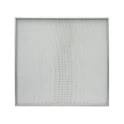
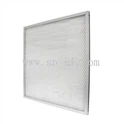
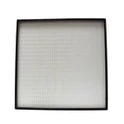
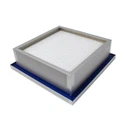
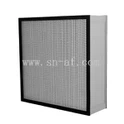
Our company offers a range of HEPA filters, such as the H14 Mini - Pleat HEPA Filter, H11 Mini - Pleat Filter, and Gel Seal HEPA Filter. Each of these filters is designed to meet different filtration requirements and performance standards.
The Impact of Humidity on HEPA Filters
Physical Changes
Humidity can cause several physical changes to HEPA filters. When exposed to high humidity, the filter media can absorb moisture. This absorption can lead to the swelling of the filter fibers, which may change the pore size distribution of the filter. As a result, the filtration efficiency may be affected. If the pores become larger, the filter may not be able to capture small particles as effectively as before. On the other hand, if the swelling causes the pores to become too small, it can increase the air resistance, leading to a decrease in the airflow rate and potentially putting more strain on the fan or blower in the filtration system.
Microbial Growth
Another significant concern in a humid environment is the growth of microorganisms on the filter. Moisture provides an ideal breeding ground for bacteria, mold, and fungi. Once these microorganisms start to grow on the filter, they can not only reduce the filter's performance but also pose a health risk. When the contaminated air passes through the filter, these microorganisms can be released back into the environment, potentially causing respiratory problems and other health issues for the occupants.
Structural Integrity
High humidity can also affect the structural integrity of the filter. The adhesive used to hold the filter media in place may become weakened by moisture, causing the filter media to separate or come loose. Additionally, the frame of the filter, which is often made of materials like cardboard or metal, can be damaged by moisture. Cardboard frames may become soggy and lose their rigidity, while metal frames can rust, reducing their strength and durability.
Solutions for Using HEPA Filters in Humid Environments
Pre - treatment and Protection
One way to mitigate the impact of humidity on HEPA filters is to use pre - treatment methods. For example, installing a pre - filter upstream of the HEPA filter can help remove larger particles and some of the moisture from the air before it reaches the HEPA filter. This can reduce the load on the HEPA filter and minimize the risk of moisture absorption. Additionally, some filters can be treated with anti - microbial agents during the manufacturing process. These agents can inhibit the growth of bacteria, mold, and fungi on the filter surface, even in a humid environment.
Monitoring and Maintenance
Regular monitoring of the humidity levels in the environment is crucial. By keeping track of the humidity, you can take appropriate actions when the humidity levels are too high. For example, you can use a dehumidifier to reduce the humidity in the area where the HEPA filter is installed. In addition, regular maintenance of the filter is essential. This includes inspecting the filter for signs of damage, such as mold growth, loose media, or a damaged frame. If any issues are detected, the filter should be replaced promptly to ensure optimal performance.
Selecting the Right Filter
Not all HEPA filters are created equal when it comes to handling humidity. Some filters are designed with materials and construction methods that make them more resistant to moisture. For example, filters with a hydrophobic filter media can repel water, reducing the risk of moisture absorption. When choosing a HEPA filter for a humid environment, it's important to select a filter that is specifically designed for such conditions. Our Gel Seal HEPA Filter is one such option, as it is engineered to provide reliable performance even in challenging environments.
Case Studies
To illustrate the practical application of using HEPA filters in humid environments, let's look at a few case studies.
Industrial Cleanroom
In an industrial cleanroom where high humidity is a common issue due to the manufacturing processes, a company installed our H14 Mini - Pleat HEPA Filter. Initially, they experienced some problems with mold growth on the filters. However, after implementing a pre - filtration system and using a dehumidifier to control the humidity levels, the performance of the filters improved significantly. The filters were able to maintain their high filtration efficiency, and the cleanroom environment remained within the required standards.
Residential Bathroom
A homeowner wanted to install a HEPA filter in their bathroom to improve the air quality. Since bathrooms are typically humid environments, they chose our H11 Mini - Pleat Filter due to its relatively high moisture resistance. By using a small dehumidifier in the bathroom and regularly inspecting and replacing the filter, the homeowner was able to enjoy clean and fresh air in the bathroom without any issues related to humidity.
Conclusion
In conclusion, while using a HEPA filter in a humid environment presents some challenges, it is possible to do so effectively with the right strategies. By understanding the impact of humidity on HEPA filters and implementing solutions such as pre - treatment, monitoring, maintenance, and selecting the appropriate filter, you can ensure that the HEPA filter performs well and provides clean and healthy air.
If you are considering using HEPA filters in a humid environment or have any questions about our products, we are here to help. Our team of experts can provide you with detailed information and guidance on selecting the right filter for your specific needs. Contact us to start a procurement discussion and find the best HEPA filter solution for your application.
References
- "High - Efficiency Particulate Air (HEPA) Filters: Principles and Applications" by [Author's Name], [Publication Name], [Year]
- "The Effects of Humidity on Air Filtration Systems" by [Author's Name], [Journal Name], [Volume], [Year]
- "Air Filtration Technology for Humid Environments" by [Author's Name], [Conference Name], [Year]