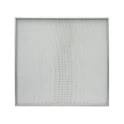
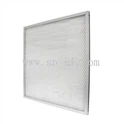
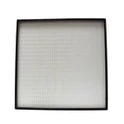
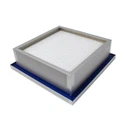
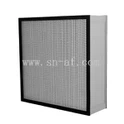
Hey there! As a supplier of Pleating HEPA Air Filters, I often get asked the question: "Do pleating HEPA air filters require a pre - filter?" Well, let's dive right into it and break down the ins and outs of this topic.
First off, let's talk about what HEPA filters are. HEPA stands for High - Efficiency Particulate Air. These filters are super effective at capturing tiny particles, like dust, pollen, mold spores, and even some bacteria and viruses. They're used in a whole bunch of places, from hospitals and clean rooms to homes and offices.
Now, pleating is a technique used to increase the surface area of the filter. When you pleat a HEPA filter, you're essentially folding it up in a way that allows more air to pass through while still maintaining its high - efficiency filtration. This means that pleated HEPA filters can trap more particles over time compared to non - pleated ones.
So, do they need a pre - filter? The short answer is: it depends.
The Benefits of Using a Pre - Filter
A pre - filter acts as a first line of defense. It captures the larger particles in the air before they reach the HEPA filter. Think of it like a bouncer at a club. The bouncer stops the big, obvious troublemakers (the large particles) from getting in, so the main security inside (the HEPA filter) can focus on the more sneaky, smaller threats.
One of the biggest advantages of using a pre - filter is that it extends the lifespan of the HEPA filter. When large particles like dust and lint are caught by the pre - filter, the HEPA filter doesn't get clogged up as quickly. This means you don't have to replace the HEPA filter as often, which can save you money in the long run.
Another benefit is that it can improve the overall efficiency of the air filtration system. By removing the larger particles early on, the air flow through the system is smoother. This allows the HEPA filter to work at its best, capturing the smaller particles with greater efficiency.
For example, in industrial settings where there's a lot of dust and debris in the air, a pre - filter is almost a must. Without it, the HEPA filter would get clogged up really fast, and the system might not be able to keep up with the high volume of contaminants.
When a Pre - Filter Might Not Be Necessary
However, there are situations where a pre - filter might not be needed. In some clean environments, like a well - maintained laboratory or a high - end office with a very low level of airborne particles, the air is already relatively clean. In these cases, the HEPA filter might be able to handle the small amount of contaminants on its own without getting clogged too quickly.
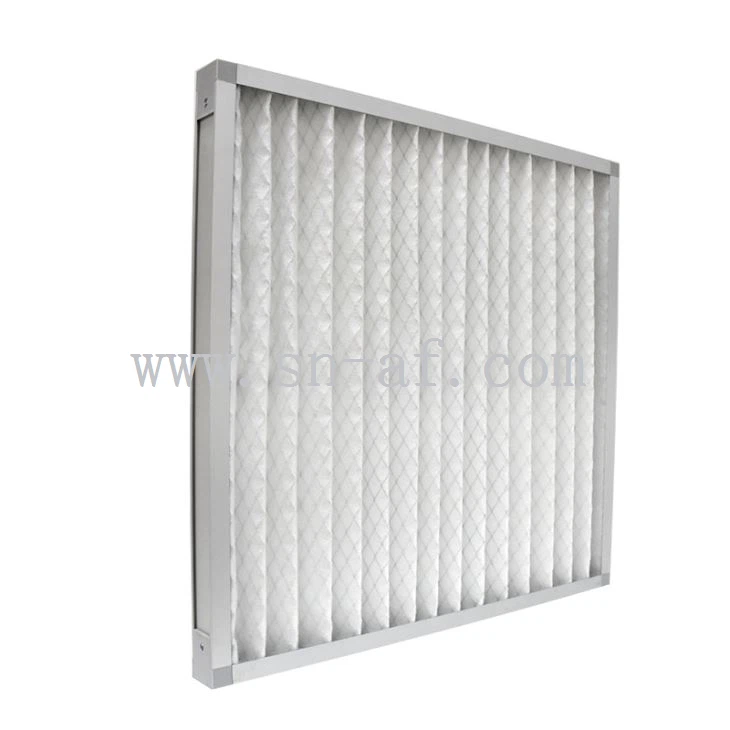
Also, if the air filtration system has a very high - capacity pleated panel filter, it might be able to capture a significant amount of particles without the need for an additional pre - filter. You can check out our High Capacity Pleated Panel Filter for more information on this type of filter.
Our Products and Their Compatibility with Pre - Filters
At our company, we offer a wide range of pleating HEPA air filters. Some of our filters are designed to work with pre - filters, and we can even recommend the best pre - filter options based on your specific needs.
For example, our Gel Seal HEPA Filter for Side Tank is a high - performance filter that can be paired with a pre - filter for maximum efficiency. The gel seal ensures a tight fit, preventing any unfiltered air from bypassing the filter.
We also have Separator Filter Industrial Filter which is great for industrial applications. In industrial settings, where the air is often filled with a lot of contaminants, using a pre - filter with this type of separator filter can significantly improve the overall performance of the filtration system.
Making the Decision
So, how do you decide whether you need a pre - filter for your pleating HEPA air filter? Here are some things to consider:
- The Environment: If you're in a dirty environment with a lot of dust, pollen, or other large particles, a pre - filter is probably a good idea. On the other hand, if the air is relatively clean, you might be able to get away without one.
- Budget: While a pre - filter can save you money in the long run by extending the lifespan of the HEPA filter, you'll need to factor in the cost of the pre - filter itself and its replacement.
- System Requirements: Some air filtration systems are designed to work with pre - filters, while others might not need them. Make sure to check the manufacturer's recommendations for your specific system.
Conclusion
In conclusion, whether or not you need a pre - filter for your pleating HEPA air filter depends on your specific situation. While pre - filters offer many benefits, they're not always necessary. As a supplier, we're here to help you make the right decision. If you're unsure, feel free to reach out to us, and we can provide you with more information and guidance based on your needs.
If you're interested in purchasing our pleating HEPA air filters or have any questions about pre - filters, don't hesitate to contact us. We're always happy to have a chat and help you find the best solution for your air filtration needs. Let's work together to create a cleaner, healthier environment!

References
- "Air Filtration Handbook" by some well - known air filtration experts (I'm not naming specific authors here, but you can find a lot of great info in such handbooks).
- Industry research papers on air filtration efficiency and pre - filter usage.