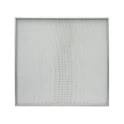
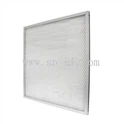
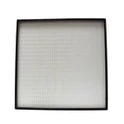
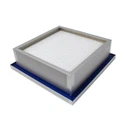
As a supplier of ULPA (Ultra-Low Penetration Air) filters, I often encounter questions from customers regarding the safety of these filters. In this blog post, I aim to provide a comprehensive and scientific analysis of the safety aspects of ULPA filters, addressing common concerns and highlighting their benefits.
Understanding ULPA Filters
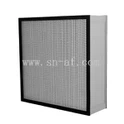
ULPA filters are a type of high - efficiency air filter designed to remove extremely small particles from the air. They are an upgrade from HEPA (High - Efficiency Particulate Air) filters, offering even higher filtration efficiency. ULPA filters can typically remove at least 99.999% of particles that are 0.12 micrometers in diameter or larger.
These filters are commonly used in environments where a high level of air purity is required, such as semiconductor manufacturing clean rooms, pharmaceutical production facilities, and some high - end healthcare settings. Their ability to trap tiny particles makes them an essential component in maintaining a clean and safe working environment.
Safety in Design and Materials
One of the primary factors contributing to the safety of ULPA filters is their design and the materials used in their construction. ULPA filters are typically made from high - quality glass fiber media. Glass fiber is an inert material, which means it does not react chemically with the air or the particles it captures. This reduces the risk of releasing harmful substances into the air during normal operation.
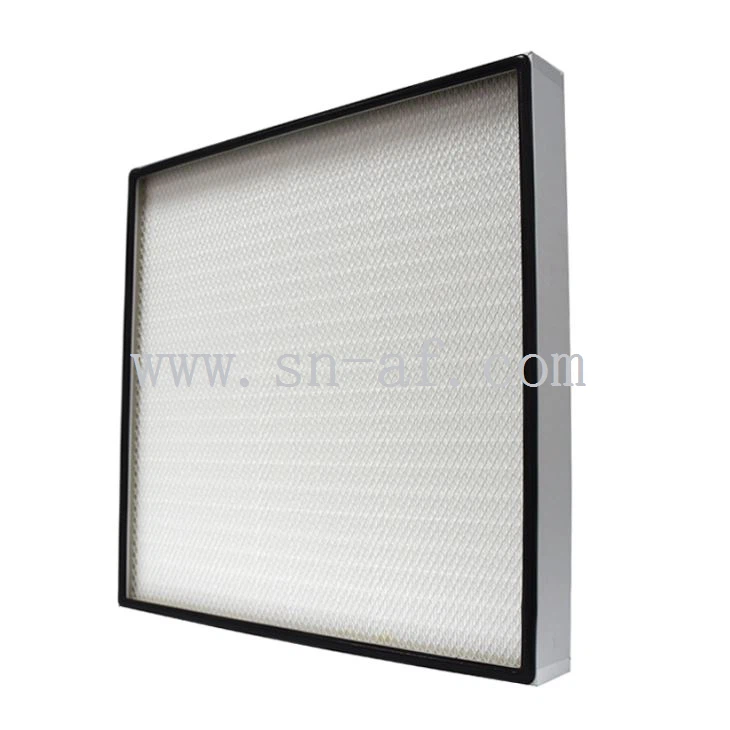
The manufacturing process of ULPA filters is also highly regulated. Stringent quality control measures are in place to ensure that the filters meet strict standards for performance and safety. For example, the filter media is carefully pleated to increase the surface area for particle capture while maintaining a low pressure drop. This design not only improves the filter's efficiency but also ensures that it operates safely and effectively over its lifespan.

Particle Capture and Containment
The main function of ULPA filters is to capture and contain particles. When air passes through the filter, the tiny glass fibers in the filter media act as a barrier, trapping particles through a combination of mechanisms such as interception, impaction, and diffusion. Once the particles are captured, they are held securely within the filter media.
This is crucial for safety because it prevents the particles from being re - circulated back into the air. In environments where there are potentially harmful particles, such as viruses, bacteria, or fine dust, ULPA filters play a vital role in protecting the health of the people working in those spaces. For instance, in a pharmaceutical manufacturing facility, ULPA filters can prevent the spread of contaminants that could compromise the quality of the drugs being produced.
Fire and Chemical Resistance
Another important safety aspect of ULPA filters is their fire and chemical resistance. The glass fiber media used in ULPA filters is inherently fire - resistant. It does not burn easily and does not release toxic fumes when exposed to high temperatures. This is a significant advantage in industrial and commercial settings where there may be a risk of fire.
In addition, ULPA filters are resistant to many chemicals. They can withstand exposure to common industrial chemicals without degrading or releasing harmful substances. This makes them suitable for use in a wide range of environments, including chemical processing plants and laboratories.
Maintenance and Safety
Proper maintenance of ULPA filters is essential for ensuring their continued safety and performance. Regular inspections and replacements are necessary to prevent the filters from becoming clogged or damaged. When a filter is clogged, it can cause an increase in pressure drop, which may lead to reduced airflow and potentially affect the operation of the ventilation system.
It is also important to handle ULPA filters with care during installation and replacement. Special precautions should be taken to avoid damaging the filter media, as a damaged filter may not function properly and could release particles into the air. Training should be provided to the personnel responsible for filter maintenance to ensure that they follow the correct procedures.
Our ULPA Filter Products
At our company, we offer a range of high - quality ULPA filters, including the U17 Mini - Pleat ULPA Filter, U15 Mini - Pleat ULPA Filter, and U16 Mini - Pleat ULPA Filter. These filters are designed to meet the most demanding air filtration requirements.
Our U17 Mini - Pleat ULPA Filter offers the highest level of filtration efficiency, making it ideal for applications where the strictest air purity standards must be met. The U15 and U16 Mini - Pleat ULPA Filters also provide excellent performance and are suitable for a wide range of industrial and commercial applications.
Contact Us for Procurement
If you are interested in purchasing ULPA filters for your facility, we encourage you to contact us for a detailed discussion. Our team of experts can help you select the right filter for your specific needs and provide you with information on pricing, delivery, and installation. We are committed to providing our customers with the highest quality products and the best possible service.
References
- "High - Efficiency Particulate Air (HEPA) and Ultra - Low Penetration Air (ULPA) Filters", ASHRAE (American Society of Heating, Refrigerating and Air - Conditioning Engineers)
- "Air Filtration: Principles and Applications", by Christopher D. Hogan Jr.
- Industry standards and guidelines for ULPA filter manufacturing and use.