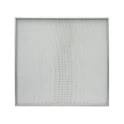
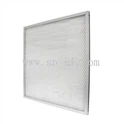
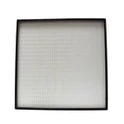
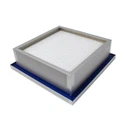
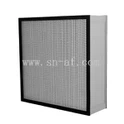
Hey there! As a supplier of medium filters, I've seen my fair share of issues that customers run into. Medium filters are super important in keeping air clean and systems running smoothly, but sometimes, they can act up. In this blog, I'll share some tips on how to troubleshoot problems with a medium filter.
1. Check for Clogging
One of the most common problems with medium filters is clogging. When a filter gets clogged, it restricts the airflow, which can lead to a bunch of other issues. If you notice that the air circulation in your system has slowed down, or if the system seems to be working harder than usual, clogging could be the culprit.


To check for clogging, take a look at the filter. If it looks dirty, with a lot of dust and debris stuck to it, then it's probably clogged. You can also try holding the filter up to a light source. If you can't see light passing through easily, that's a sign of clogging.
What to do if it's clogged:
- First, try cleaning the filter. Some medium filters, like the Pocket Air Filter F5, can be cleaned and reused. You can use a soft brush to gently remove the surface dust. For more stubborn dirt, you might need to soak the filter in a mild detergent solution for a short time, then rinse it thoroughly and let it dry completely before reinstalling.
- If the filter is too clogged to clean effectively, it's time to replace it. A clogged filter that can't be cleaned won't do its job properly and can even damage your system in the long run.
2. Look for Leaks
Leaks in a medium filter can allow unfiltered air to bypass the filter, reducing its efficiency. You might notice a decrease in air quality or an increase in dust in the area where the filtered air is supposed to be clean.
To check for leaks, carefully inspect the edges of the filter and where it connects to the system. Look for any gaps or holes. You can also use a piece of paper or a smoke pencil. Hold the paper near the edges of the filter while the system is running. If the paper flutters in an unexpected way, there might be a leak. If you use a smoke pencil, the smoke should flow through the filter evenly. If you see smoke escaping from the edges, that's a clear sign of a leak.
What to do if there's a leak:
- If the leak is due to a loose connection, try tightening the filter in place. Make sure all the clips or seals are properly attached.
- If there's a hole in the filter material, it might be possible to patch it with a suitable filter repair tape. However, if the damage is extensive, it's best to replace the filter. The Synthetic Pocket Filter is a great option to consider for replacement as it offers good durability and filtration efficiency.
3. Evaluate Filter Performance
Sometimes, even though a filter doesn't seem clogged or leaky, it might not be performing as well as it should. You can evaluate the performance by measuring the air quality before and after the filter. You can use an air quality monitor to check for things like particulate matter, volatile organic compounds (VOCs), and other pollutants.
If the air quality after the filter isn't as good as expected, there could be several reasons. The filter might be the wrong type for your specific needs. Different medium filters are designed to capture different sizes and types of particles. Make sure you're using the right filter for your application.
What to do if performance is poor:
- Consult with an expert or the filter manufacturer to determine if you need a different type of filter. They can help you choose the most suitable filter based on your system requirements and the pollutants you're trying to remove.
- Check if the filter is installed correctly. An incorrectly installed filter might not function properly. Refer to the installation instructions that came with the filter to make sure it's in the right position and orientation.
4. Check for Physical Damage
Physical damage to a medium filter can also cause problems. This could include tears, rips, or bent frames. Physical damage can compromise the integrity of the filter and reduce its effectiveness.
Inspect the filter carefully for any visible signs of damage. Pay special attention to the filter media and the frame. A bent frame can prevent the filter from fitting properly in the system, while tears in the media can allow unfiltered air to pass through.
What to do if there's physical damage:
- If the damage is minor, such as a small tear in the filter media, you might be able to repair it with a filter repair patch. But if the damage is significant, like a large rip or a severely bent frame, it's better to replace the filter.
5. Monitor Pressure Drop
Pressure drop across a medium filter is an important indicator of its condition. A normal pressure drop is expected as the air passes through the filter, but an excessive pressure drop can be a sign of a problem.
You can use a pressure gauge to measure the pressure drop across the filter. Compare the current reading with the manufacturer's specifications. If the pressure drop is much higher than normal, it could be due to clogging, a blocked airflow path, or an incorrect filter installation.
What to do if the pressure drop is excessive:
- As mentioned earlier, check for clogging and clean or replace the filter if necessary.
- Make sure there are no obstructions in the airflow path before and after the filter. Remove any debris or objects that might be blocking the air.
- Double - check the filter installation to ensure it's not causing an abnormal restriction in the airflow.
6. Consider Environmental Factors
The environment in which the medium filter operates can also affect its performance. For example, if the air is very humid, it can cause the filter to become damp, which can lead to mold growth and reduced filtration efficiency. High temperatures can also affect the filter material over time.
If you suspect that environmental factors are causing problems, try to control the environment as much as possible. Use a dehumidifier to reduce humidity if necessary, and make sure the system is installed in an area with proper ventilation and temperature control.
Conclusion
Troubleshooting problems with a medium filter isn't always easy, but by following these steps, you can identify and solve most common issues. Remember, regular maintenance and inspection of your medium filter are key to keeping it in good working condition.
If you're still having trouble with your medium filter or if you're looking for high - quality medium filters for your new or existing system, don't hesitate to reach out. We're here to help you find the best solutions for your filtration needs. Whether you need a Pocket Air Filter F5 or a Synthetic Pocket Filter, we've got you covered. Contact us to start a conversation about your requirements and let's work together to ensure clean and healthy air in your space.
References
- General knowledge from years of experience as a medium filter supplier.
- Manufacturer's manuals and specifications for medium filters.