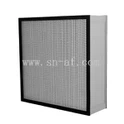
Bag filters for HVAC (Heating, Ventilation, and Air Conditioning) systems play a crucial role in maintaining indoor air quality by capturing dust, pollen, and other airborne particles. As a leading supplier of bag filters for HVAC systems, I often receive inquiries about the materials used in these filters. In this blog post, I will delve into the various materials commonly employed in bag filters for HVAC systems, their properties, and how they contribute to the overall performance of the filters.
Synthetic Fibers
Synthetic fibers are among the most widely used materials in bag filters for HVAC systems. These fibers are engineered to offer specific properties that make them well - suited for air filtration applications.
Polyester
Polyester is a popular choice due to its excellent mechanical strength and chemical resistance. It can withstand a wide range of temperatures and humidity levels without significant degradation. Polyester fibers are often used in the construction of the filter media, which is the part of the filter that actually captures the particles. The fibers are typically arranged in a non - woven pattern, creating a maze - like structure that traps particles as air passes through. This non - woven structure provides a large surface area for particle capture, increasing the filter's efficiency.
Polyester bag filters are commonly used in commercial and industrial HVAC systems where the air contains a high concentration of dust and other particulate matter. They are also relatively inexpensive compared to some other materials, making them a cost - effective option for large - scale applications.
Polypropylene
Polypropylene is another synthetic fiber used in bag filters. It is known for its hydrophobic nature, which means it repels water. This property makes polypropylene filters suitable for applications where the air may be moist or where there is a risk of water damage to the filter. Polypropylene filters are also resistant to many chemicals, including acids and alkalis, which makes them useful in industrial environments where the air may be contaminated with chemical fumes.
The lightweight nature of polypropylene also makes it easy to handle during installation and replacement. These filters are often used in applications such as food processing plants, where maintaining a clean and dry environment is essential.
Glass Fibers
Glass fibers have been used in air filtration for many years and are still a popular choice for high - efficiency bag filters.
Microglass
Microglass fibers are extremely fine, with diameters typically in the range of 0.5 to 2 micrometers. This fine structure allows them to capture very small particles, including those in the sub - micron range. Microglass bag filters are often used in applications where high - efficiency filtration is required, such as in cleanrooms, hospitals, and pharmaceutical manufacturing facilities.
The high surface area of microglass fibers provides excellent particle - capturing capabilities. However, glass fibers can be brittle, and care must be taken during handling to avoid breakage. Additionally, they are more expensive than synthetic fibers, which can limit their use in some cost - sensitive applications.
Natural Fibers
Although less common than synthetic and glass fibers, natural fibers are still used in some bag filters for HVAC systems.
Cotton
Cotton is a natural fiber that has been used in air filtration for a long time. It is a relatively inexpensive material and is readily available. Cotton bag filters are often used in residential HVAC systems or in applications where the air quality requirements are not extremely high.
Cotton fibers are soft and can capture a reasonable amount of particles. However, they are not as efficient as synthetic or glass fibers, and they are more prone to mold and mildew growth in humid conditions. Therefore, they are usually used in combination with other materials or in applications where the air is relatively dry.
Composite Materials
In some cases, bag filters are made from composite materials that combine the properties of different fibers.
Synthetic - Glass Composites
These composites combine the mechanical strength and cost - effectiveness of synthetic fibers with the high - efficiency particle - capturing capabilities of glass fibers. By using a combination of synthetic and glass fibers, manufacturers can create filters that offer a good balance between performance and cost. Synthetic - glass composite bag filters are often used in commercial HVAC systems where a moderate level of filtration efficiency is required at a reasonable cost.
Filter Media Treatments
In addition to the base materials, the filter media in bag filters may be treated to enhance its performance.
Antimicrobial Treatments
Antimicrobial treatments are applied to the filter media to prevent the growth of bacteria, fungi, and other microorganisms. This is particularly important in applications such as hospitals and schools, where maintaining a healthy indoor environment is crucial. Antimicrobial - treated bag filters can help reduce the spread of airborne diseases and improve the overall air quality.
Hydrophobic Treatments
Hydrophobic treatments are used to make the filter media more resistant to water. This is useful in applications where the air may be moist or where there is a risk of water damage to the filter. Hydrophobic - treated bag filters can maintain their performance even in humid conditions, reducing the need for frequent replacement.
Our Product Range
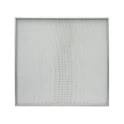
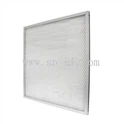
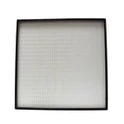
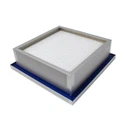
As a supplier of bag filters for HVAC systems, we offer a wide range of products made from different materials to meet the diverse needs of our customers. Our V Extended Surface Mini - Pleat Filter is designed for high - efficiency filtration in commercial and industrial applications. It is made from a combination of synthetic fibers that provide excellent particle - capturing capabilities and long service life.
Our High Capacity Pleated Panel Filter is suitable for applications where a large volume of air needs to be filtered. It is made from a durable synthetic material that can withstand high airflows and heavy dust loads.
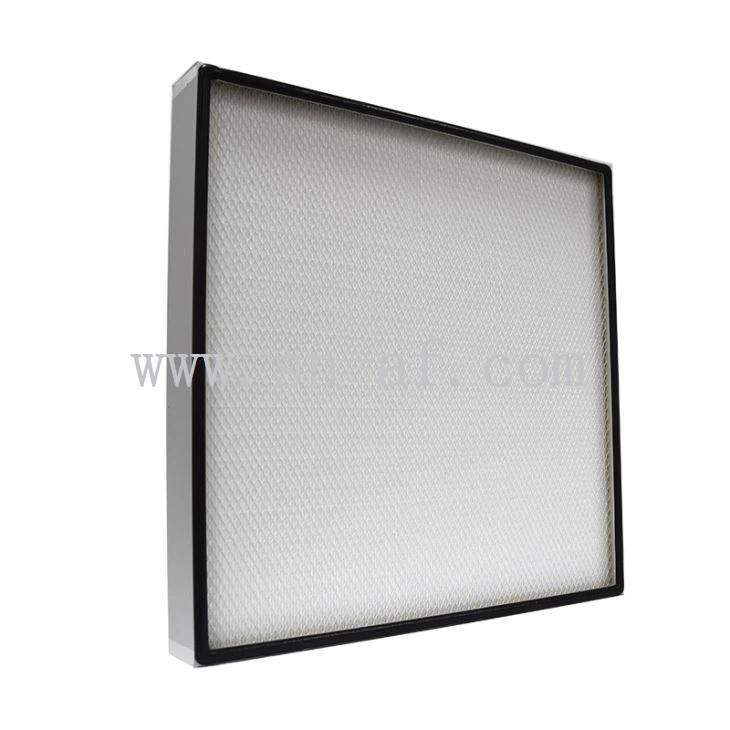
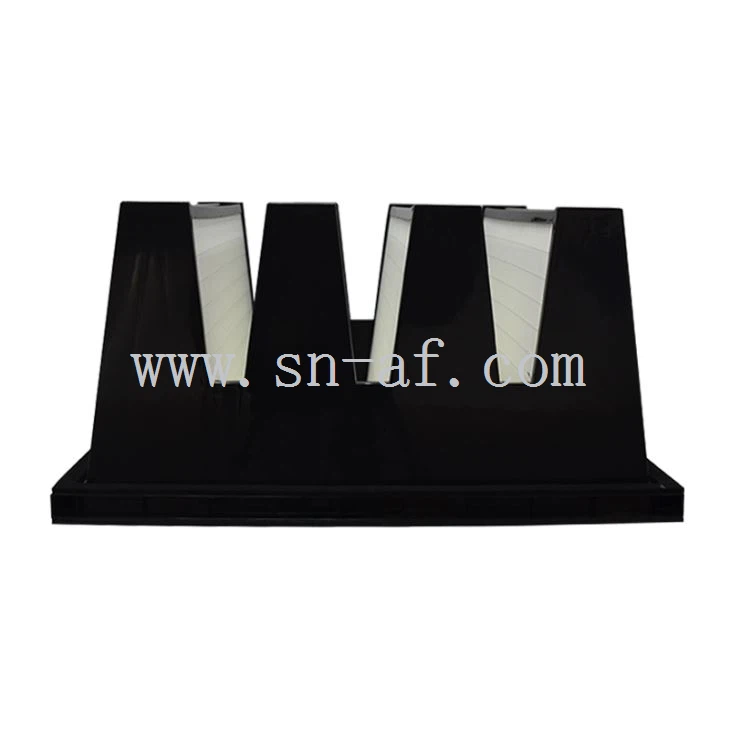
For applications requiring the highest level of filtration efficiency, we offer the Mini - pleated HEPA Air Filter. This filter is made from microglass fibers and can capture up to 99.97% of particles with a size of 0.3 micrometers or larger.
Contact Us for Purchasing
If you are in the market for bag filters for your HVAC system, we would be happy to assist you. Our team of experts can help you select the right filter based on your specific requirements, such as the type of particles in the air, the airflow rate, and the operating environment. Whether you need a single filter for a small residential system or a large quantity of filters for a commercial or industrial facility, we have the products and the expertise to meet your needs.
Contact us today to start the purchasing process and ensure that your HVAC system is equipped with high - quality bag filters that will provide efficient and reliable air filtration for years to come.
References
- Brown, A. (2018). Air Filtration Handbook. Elsevier.
- Smith, J. (2019). HVAC System Design and Installation. McGraw - Hill.
- Johnson, R. (2020). Advances in Filtration Technology. Wiley.