As a leading supplier of PTFE filters, I often get asked about the dust - holding capacity of PTFE filters. This is a crucial question, especially for industries that rely on these filters for air purification, such as clean rooms and high - end air purifier systems. In this blog, I'll delve into the factors that determine how much dust a PTFE filter can hold and provide insights based on scientific knowledge and our real - world experience.
Understanding PTFE Filters
PTFE, or polytetrafluoroethylene, is a synthetic fluoropolymer with unique properties. It is well - known for its chemical resistance, low friction coefficient, and excellent non - stick characteristics. In the context of filters, PTFE membranes are often used due to their high porosity and uniform pore size distribution.
The PTFE Filter Clean Room is a prime example of where PTFE filters shine. Clean rooms require a high level of air purity to prevent contamination of sensitive products, such as semiconductor chips or pharmaceutical products. PTFE filters in these environments need to effectively capture and hold dust particles to maintain the required air quality.
Factors Affecting Dust - Holding Capacity
Pore Size
The pore size of a PTFE filter is one of the most important factors influencing its dust - holding capacity. Smaller pore sizes can capture finer dust particles, but they may also clog more quickly. On the other hand, larger pore sizes allow more air to pass through and can hold more dust before reaching the point of clogging, but they may not be as effective at capturing very fine particles.
For instance, in an EPTFE Pleated HEPA Air Purifier Filter, the expanded PTFE (ePTFE) membrane is engineered to have a specific pore size that balances the need for high - efficiency particle capture and reasonable dust - holding capacity. The pleated design further increases the surface area available for dust collection, which in turn enhances the overall dust - holding ability of the filter.
Filter Thickness
Thicker PTFE filters generally have a higher dust - holding capacity. A thicker filter provides more space for dust to accumulate within its structure. However, increasing the thickness also has its drawbacks. It can increase the resistance to air flow, which means more energy is required to push air through the filter. This is a trade - off that filter designers need to carefully consider.
Air Flow Rate
The rate at which air passes through the filter also affects its dust - holding capacity. At higher air flow rates, dust particles are more likely to be carried through the filter without being captured. Moreover, high - speed air can dislodge already - captured dust particles, reducing the overall dust - holding efficiency. In contrast, lower air flow rates allow more time for dust particles to be captured by the filter media, increasing the likelihood of them being retained.
Dust Particle Size and Characteristics
The size, shape, and chemical properties of the dust particles themselves play a significant role. Larger and more irregularly shaped particles are more likely to be captured by the filter, but they may also cause more rapid clogging. Fine dust particles, such as those in smoke or certain industrial emissions, can penetrate deeper into the filter media and may be more difficult to hold.
Measuring Dust - Holding Capacity
There are several standard methods for measuring the dust - holding capacity of filters. One common approach is the weight - gain method. In this method, the filter is first weighed, then exposed to a controlled dust - laden air stream for a specific period. After the exposure, the filter is weighed again, and the difference in weight represents the amount of dust it has captured.
Another method is the pressure - drop measurement. As dust accumulates on the filter, the resistance to air flow increases, resulting in a higher pressure drop across the filter. By monitoring the pressure drop over time, we can estimate the amount of dust that has been captured and predict when the filter will need to be replaced.
Real - World Applications and Dust - Holding Capacity
In clean room applications, the dust - holding capacity of PTFE filters is of utmost importance. Clean rooms typically operate with strict air quality standards, and the filters need to maintain their performance over an extended period. A filter with a high dust - holding capacity can reduce the frequency of filter replacements, which not only saves costs but also minimizes the risk of contamination during filter change - out procedures.
In air purifiers, especially those using EPTFE Pleated HEPA Air Purifier Filter, the dust - holding capacity affects the overall lifespan of the filter and the efficiency of the air purification process. A filter that can hold more dust will provide longer - lasting clean air, reducing the need for frequent filter replacements and ensuring continuous protection against airborne pollutants.
Our Experience as a PTFE Filter Supplier
Over the years, our company has been involved in numerous projects that require PTFE filters. We have conducted extensive testing on different filter designs to optimize their dust - holding capacity. Through these tests, we have found that a combination of appropriate pore size, filter thickness, and pleated design can significantly enhance the dust - holding ability of PTFE filters.
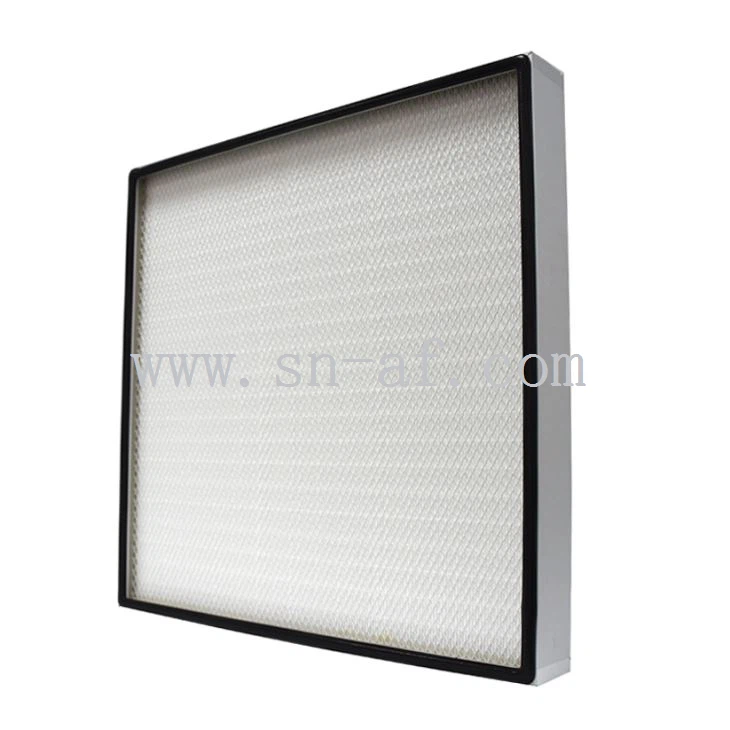

We also work closely with our customers to understand their specific needs. For example, in some industrial applications where the dust load is extremely high, we may recommend a thicker filter with a slightly larger pore size to ensure a reasonable dust - holding capacity without sacrificing too much air flow. In contrast, for applications that demand high - efficiency particle capture, such as clean rooms, we focus on filters with smaller pore sizes and advanced pleating techniques.
Conclusion
The dust - holding capacity of PTFE filters is determined by a complex interplay of factors, including pore size, filter thickness, air flow rate, and dust particle characteristics. As a PTFE filter supplier, we are committed to providing high - quality filters that offer an optimal balance between dust - holding capacity and air flow efficiency.
If you are in need of PTFE filters for your clean room, air purifier, or any other application, we invite you to contact us for a detailed discussion. Our team of experts can help you select the right filter based on your specific requirements and ensure that you get the best performance and value for your investment.
References
- Brown, R. C. (2000). Introduction to Aerosol Science. Wiley - Interscience.
- Hinds, W. C. (1999). Aerosol Technology: Properties, Behavior, and Measurement of Airborne Particles. Wiley.
- ISO 16890:2016. Air filters for general ventilation -- Determination of the filtration performance.