UV resistance is a critical factor when considering the performance and longevity of ULPA (Ultra-Low Penetration Air) filters. As a leading ULPA filter supplier, we understand the importance of this characteristic and its impact on various applications. In this blog, we will delve into what UV resistance means for ULPA filters, how it affects their functionality, and why it matters in different settings.
Understanding UV Resistance in ULPA Filters
UV resistance refers to a filter's ability to withstand the damaging effects of ultraviolet (UV) radiation. UV radiation is a part of the electromagnetic spectrum with wavelengths shorter than visible light. It is present in sunlight and can also be emitted by artificial sources such as UV lamps used in sterilization processes. When ULPA filters are exposed to UV radiation, several things can happen that may compromise their performance.
One of the primary concerns is the degradation of the filter media. Most ULPA filters use a fibrous media to capture particles. UV radiation can break down the chemical bonds in these fibers, causing them to become brittle and lose their structural integrity. This can lead to the formation of holes or tears in the media, allowing particles to pass through and reducing the filter's efficiency.
Another issue is the impact on the filter's frame and seals. Many ULPA filters have frames made of plastic or metal, and seals made of rubber or other elastomers. UV radiation can cause these materials to deteriorate over time, leading to leaks around the edges of the filter. This not only reduces the filter's effectiveness but can also allow contaminants to enter the system, potentially causing damage to sensitive equipment or affecting the quality of the air in a cleanroom environment.
Factors Affecting UV Resistance
Several factors can influence the UV resistance of ULPA filters. The type of filter media is one of the most important factors. Some materials are inherently more resistant to UV radiation than others. For example, filters made with glass fiber media tend to have better UV resistance compared to those made with synthetic fibers. Glass fibers are inorganic and do not break down as easily when exposed to UV light.
The thickness and density of the filter media also play a role. Thicker and denser media can provide more protection against UV radiation, as they have more material to absorb and scatter the UV rays. Additionally, the manufacturing process can affect the UV resistance of the filter. Filters that are treated with UV stabilizers or other protective coatings may have improved resistance to UV damage.
The environment in which the filter is used is another crucial factor. Filters that are exposed to high levels of UV radiation for extended periods, such as those installed in outdoor applications or in facilities with UV sterilization systems, will require a higher level of UV resistance. The temperature and humidity in the environment can also impact the filter's performance. High temperatures and humidity can accelerate the degradation process, making it even more important to choose a filter with good UV resistance.
Importance of UV Resistance in Different Applications
Cleanrooms
Cleanrooms are used in a variety of industries, including semiconductor manufacturing, pharmaceuticals, and biotechnology. These environments require a high level of air cleanliness to prevent contamination of products or processes. ULPA filters are commonly used in cleanrooms to remove particles as small as 0.12 microns with an efficiency of 99.9995% or higher.
In cleanrooms, UV radiation may be used for sterilization purposes. If the ULPA filters in these environments do not have adequate UV resistance, they can degrade over time, leading to a decrease in air quality and an increased risk of contamination. This can result in product defects, production downtime, and potential regulatory issues. Therefore, choosing ULPA filters with high UV resistance is essential to ensure the long-term performance and reliability of the cleanroom ventilation system.
Outdoor Applications
ULPA filters are sometimes used in outdoor air intake systems to protect sensitive equipment from dust and other airborne particles. In these applications, the filters are exposed to sunlight and other environmental factors, including UV radiation. Without proper UV resistance, the filters can deteriorate quickly, reducing their lifespan and increasing the frequency of filter replacements.

Outdoor applications also require filters to be resistant to other environmental factors such as moisture, wind, and temperature variations. Filters with good UV resistance are often designed to withstand these additional challenges, making them more suitable for long-term use in outdoor settings.
HVAC Systems in UV-Exposed Areas
Heating, ventilation, and air conditioning (HVAC) systems in buildings located in sunny regions or near UV-emitting sources may require ULPA filters with high UV resistance. These filters help to maintain good indoor air quality by removing particles from the air. If the filters degrade due to UV exposure, they can become less effective at filtering out contaminants, leading to poor air quality and potential health issues for building occupants.
Our UV-Resistant ULPA Filter Products
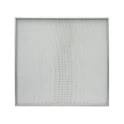
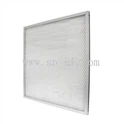
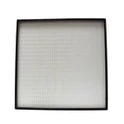
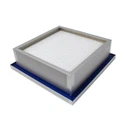
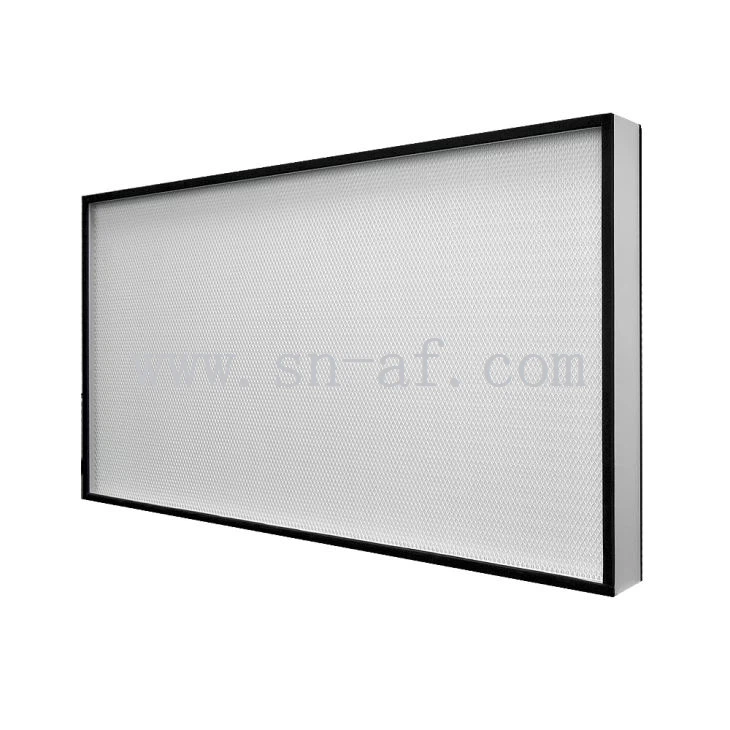
As a ULPA filter supplier, we offer a range of products with excellent UV resistance. Our U17 Mini-Pleat ULPA Filter is designed for applications that require the highest level of air filtration efficiency. It uses a high-quality glass fiber media that provides superior UV resistance and long-lasting performance. The filter's frame is made of a durable plastic material that is also resistant to UV radiation, and the seals are designed to maintain their integrity even when exposed to harsh environmental conditions.
Our U15 Mini-Pleat ULPA Filter is another popular option for applications where UV resistance is important. This filter offers a slightly lower efficiency compared to the U17 filter but still provides excellent particle removal performance. It is suitable for a wide range of cleanroom and HVAC applications, and its UV-resistant design ensures reliable operation over an extended period.
For applications that require a balance between efficiency and cost, our U16 Mini-Pleat ULPA Filter is a great choice. This filter combines good UV resistance with high filtration efficiency, making it suitable for use in various industries, including electronics manufacturing and medical device production.
Testing and Certification
To ensure the quality and performance of our UV-resistant ULPA filters, we conduct rigorous testing in our state-of-the-art laboratory. Our filters are tested for their efficiency, dust holding capacity, and UV resistance using industry-standard methods. We also work closely with independent testing agencies to obtain certifications for our products, such as ISO 16890 and EN 1822.
These certifications provide our customers with confidence that our filters meet the highest standards of quality and performance. They also demonstrate our commitment to providing reliable and effective filtration solutions for a wide range of applications.
Conclusion
UV resistance is an important consideration when choosing ULPA filters. It can have a significant impact on the filter's performance, longevity, and the overall effectiveness of the air filtration system. As a ULPA filter supplier, we understand the importance of providing products with excellent UV resistance to meet the needs of our customers in various industries.
Our range of UV-resistant ULPA filters, including the U17 Mini-Pleat ULPA Filter, U15 Mini-Pleat ULPA Filter, and U16 Mini-Pleat ULPA Filter, are designed to provide reliable and efficient air filtration in environments where UV radiation is a concern. Whether you are looking for a filter for a cleanroom, an outdoor application, or an HVAC system, we have the right solution for you.
If you are interested in learning more about our UV-resistant ULPA filters or would like to discuss your specific filtration needs, please contact us. Our team of experts is ready to assist you in selecting the best filter for your application and providing you with the support you need to ensure the success of your project.
References
- ISO 16890:2016, Air filters for general ventilation - Determination of the filtration performance
- EN 1822:2019, High efficiency air filters (EPA, HEPA and ULPA) - Classification, performance testing, marking