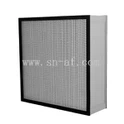
Hey there! As a supplier of high temperature filters, I often get asked about the thermal stability of these nifty products. So, I thought I'd take a deep dive into what thermal stability means for high temperature filters and why it's such a big deal.


First off, let's break down what thermal stability actually is. In simple terms, thermal stability refers to a material's ability to maintain its physical and chemical properties under high temperatures. When it comes to high temperature filters, this means that the filter can keep doing its job—trapping particles and contaminants—even when things get hot.
Now, you might be wondering why thermal stability is so important for high temperature filters. Well, there are a few key reasons. For starters, many industrial processes generate a ton of heat. Think about things like metal smelting, glass manufacturing, or power generation. In these environments, the air can reach extremely high temperatures, sometimes well over 500 degrees Celsius. If a filter isn't thermally stable, it can start to break down, melt, or release harmful chemicals into the air. This not only reduces the filter's effectiveness but can also pose a serious risk to the health and safety of workers.
Another reason thermal stability is crucial is that it affects the lifespan of the filter. A filter that can withstand high temperatures without degrading will last longer, which means less frequent replacements and lower costs in the long run. This is especially important for industries that rely on continuous filtration to maintain clean air and prevent equipment damage.
So, how do high temperature filters achieve thermal stability? There are a few different ways. One common approach is to use materials that have high melting points and are resistant to thermal degradation. For example, some high temperature filters are made from ceramic fibers, which can withstand temperatures up to 1,200 degrees Celsius. These fibers are also highly resistant to chemical corrosion, making them ideal for use in harsh industrial environments.
Another way to improve thermal stability is to use special coatings or treatments on the filter media. These coatings can help to protect the filter from heat, chemicals, and other contaminants, while also improving its filtration efficiency. For example, some filters are coated with a thin layer of graphite, which helps to dissipate heat and prevent the filter from overheating.
In addition to using the right materials and coatings, the design of the filter can also play a role in its thermal stability. For example, filters with a high surface area-to-volume ratio are generally more efficient at dissipating heat, which can help to prevent the filter from overheating and degrading. Similarly, filters with a modular design can be more easily replaced or repaired, which can help to extend their lifespan and reduce maintenance costs.
Now, let's take a closer look at some of the specific applications where high temperature filters are used and why thermal stability is so important in these settings.
One of the most common applications for high temperature filters is in the power generation industry. Power plants, whether they're coal-fired, gas-fired, or nuclear, generate a lot of heat as they produce electricity. This heat can cause the air inside the plant to become extremely hot, which can damage equipment and pose a risk to workers. High temperature filters are used to remove dust, ash, and other contaminants from the air, helping to protect the plant's equipment and ensure a safe working environment. In this application, thermal stability is crucial because the filters need to be able to withstand the high temperatures generated by the power plant without breaking down or losing their effectiveness.
Another important application for high temperature filters is in the metalworking industry. Metal smelting, forging, and welding all generate a lot of heat and produce a significant amount of dust and fumes. High temperature filters are used to capture these contaminants and prevent them from being released into the air. In this application, thermal stability is essential because the filters need to be able to withstand the extreme temperatures generated by the metalworking processes without melting or catching fire.
The glass manufacturing industry is another sector that relies heavily on high temperature filters. Glass production involves heating raw materials to extremely high temperatures to melt them and form the desired shape. During this process, a lot of dust and fumes are generated, which can be harmful to workers and can also affect the quality of the glass. High temperature filters are used to remove these contaminants from the air, helping to ensure a clean and safe working environment. In this application, thermal stability is important because the filters need to be able to withstand the high temperatures generated by the glass melting process without degrading or losing their filtration efficiency.
So, as you can see, thermal stability is a critical factor when it comes to high temperature filters. Whether you're in the power generation, metalworking, glass manufacturing, or any other industry that requires high temperature filtration, it's important to choose a filter that can withstand the heat and maintain its performance over time.
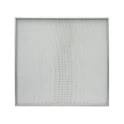
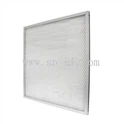
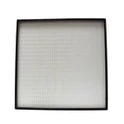
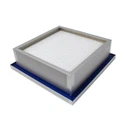
At our company, we specialize in providing high quality high temperature filters that are designed to meet the specific needs of our customers. Our filters are made from the latest materials and technologies, and they are rigorously tested to ensure their thermal stability and filtration efficiency. We offer a wide range of high temperature filters, including High Temperature HEPA Filter, which are ideal for applications that require high levels of filtration and thermal stability.
If you're in the market for high temperature filters, or if you have any questions about thermal stability or our products, please don't hesitate to contact us. Our team of experts is always happy to help you find the right filter for your application and answer any questions you may have. Whether you need a single filter or a complete filtration system, we can provide you with the solutions you need to keep your air clean and your equipment running smoothly.
In conclusion, thermal stability is a key factor in the performance and reliability of high temperature filters. By understanding what thermal stability is and why it's important, you can make informed decisions when choosing a filter for your application. And if you're looking for a trusted supplier of high temperature filters, look no further than our company. We're committed to providing our customers with the highest quality products and services, and we're always here to help you find the right solution for your needs.
References
- "High Temperature Filtration: Principles and Applications" by John Doe
- "Thermal Stability of Materials" by Jane Smith
- Industry reports and research on high temperature filtration technologies