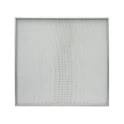
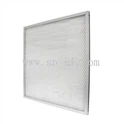
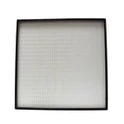
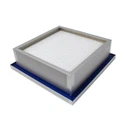
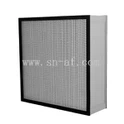
Hey there, folks! As a supplier of PTFE filters, I'm stoked to dive deep into the structure of these amazing filters. So, let's get right into it.
Basics of PTFE
First off, let's talk a bit about PTFE. PTFE stands for Polytetrafluoroethylene. It's a synthetic fluoropolymer with some really cool properties. You might know it by the brand name Teflon. It's super resistant to heat, chemicals, and it has a low friction coefficient. These features make PTFE a top - notch material for filters.
The Core Layers of a PTFE Filter
Membrane Layer
At the heart of a PTFE filter is the membrane layer. This is the superstar when it comes to filtration. The PTFE membrane is made up of a network of tiny pores. These pores are so small that they can trap even the tiniest particles. The size of these pores can be precisely controlled during the manufacturing process.
For example, in applications where we need to filter out ultrafine dust, we can make the pores really small. On the other hand, if we're dealing with larger debris, the pores can be slightly bigger. This flexibility in pore size is one of the reasons why PTFE filters are used in so many different industries.
Support Layer
The membrane layer is pretty thin and delicate on its own. That's where the support layer comes in. The support layer provides mechanical strength to the filter. It's usually made of materials like non - woven fabrics or mesh.
The non - woven fabrics are great because they can distribute the force evenly across the membrane, preventing it from getting damaged. The mesh is also a popular choice as it offers good structural support and allows for easy flow of the fluid or air being filtered. Without the support layer, the membrane would be easily torn or deformed, which would make the filter ineffective.
Protective Layer
Some PTFE filters also have a protective layer on top. This layer shields the membrane from any physical damage, like scratches or abrasions. It can also help in repelling large particles or droplets that might otherwise clog the membrane before it has a chance to do its job.
The protective layer is often made of a durable, non - stick material similar to PTFE itself. This ensures that any particles that land on it can easily slide off, keeping the filter working efficiently for a longer time.
The Structure for Different Applications
Industrial Filtration
In industrial settings, where there's a lot of heavy pollution and large amounts of particulate matter, the PTFE filters are designed to be super durable. The support layer is usually thicker and more rigid to withstand the high flow rates and pressures.
The membrane has slightly larger pores compared to filters used in more sensitive applications. This is to ensure that it can handle large volumes of dirty air or liquid without getting clogged too quickly. For example, in a mining operation, the PTFE filter needs to filter out dust, dirt, and other debris from the air being circulated in the mine. The structure of the filter is optimized to work in this harsh environment.
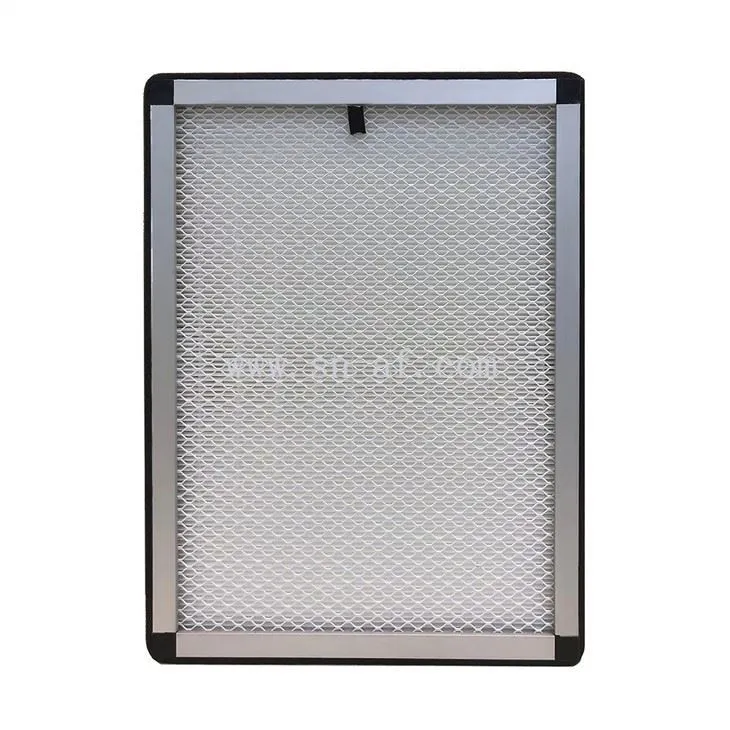

Cleanroom Applications
Cleanrooms are all about maintaining a super clean environment, free from even the tiniest particles. That's where PTFE Filter Clean Room comes in. In cleanroom filters, the membrane has extremely small pores.
The support layer is designed to be as smooth as possible to avoid any particle shedding. And the protective layer is also very carefully chosen to prevent any contamination. These filters are used in industries like semiconductor manufacturing and pharmaceutical production, where a single particle can ruin an entire batch of products.
Air Purification
When it comes to air purification, EPTFE Pleated HEPA Air Purifier Filter is a game - changer. The filter is often pleated to increase the surface area for filtration. This allows the filter to capture more particles in a smaller space.
The structure is designed to balance the filtration efficiency with the air flow resistance. You don't want the filter to be so restrictive that it slows down the air flow in your purifier. At the same time, it needs to be efficient enough to remove pollutants like dust, pollen, and even some harmful chemicals from the air.
Why Our PTFE Filters Stand Out
As a supplier, I can tell you that our PTFE filters are top - of - the - line. We pay close attention to every layer of the filter structure. We use the highest quality materials for the membrane, support layer, and protective layer.
Our manufacturing process is extremely precise, which means we can control the pore size very accurately. This ensures that our filters offer the best filtration performance. Whether you need a filter for a small air purifier at home or a large - scale industrial application, we've got you covered.
Time to Connect
If you're in the market for a top - quality PTFE filter, don't hesitate to reach out to us. We're more than happy to discuss your specific needs and find the perfect filter for you. We can provide samples for you to test out and see the difference for yourself. So, what are you waiting for? Let's start this filtering journey together.
References
- "Fluoropolymer Applications in the Chemical Processing Industry" by John Scheirs and Terry E. Carraher Jr.
- "Air Filtration: An Integrated Approach to the Theory and Application of Fibrous Filters" by John Hinds.