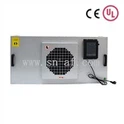
In the industrial landscape, the role of an industrial filter is nothing short of crucial. As a leading supplier of industrial filters, I've witnessed firsthand the transformative impact these components have on various sectors. In this blog, I'll delve into the functions of industrial filters, exploring their significance and how they contribute to the efficiency and safety of industrial operations.
1. Contaminant Removal
One of the primary functions of an industrial filter is to remove contaminants from fluids or gases. In manufacturing processes, raw materials often contain impurities that can affect the quality of the final product. For example, in the food and beverage industry, filters are used to remove particles, bacteria, and other contaminants from water, ensuring that the end - product is safe for consumption.
In the pharmaceutical industry, high - precision filters are essential for purifying drugs and ensuring their sterility. Even the slightest impurity can have serious consequences for patients, so filters play a vital role in maintaining the highest standards of quality control.

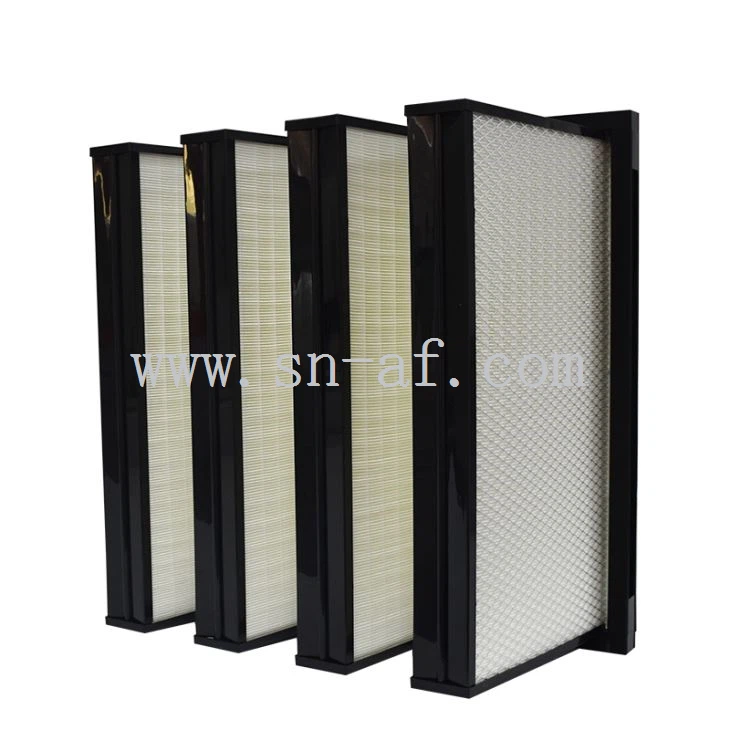
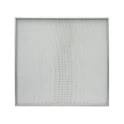
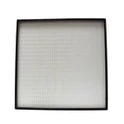
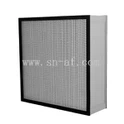
Our Mini - pleated HEPA Air Filter is a prime example of a filter designed for efficient contaminant removal. It is capable of capturing particles as small as 0.3 microns with a high efficiency, making it ideal for applications where clean air is of utmost importance, such as in clean rooms and semiconductor manufacturing facilities.
2. Protecting Equipment
Industrial filters also serve to protect expensive equipment from damage caused by contaminants. In hydraulic systems, for instance, filters remove dirt, metal shavings, and other debris from the hydraulic fluid. If these contaminants were allowed to circulate freely, they could cause wear and tear on pumps, valves, and other components, leading to reduced efficiency and costly breakdowns.
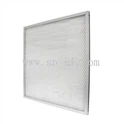
Similarly, in air - handling systems, filters prevent dust and debris from entering the system and clogging the coils and fans. This not only extends the lifespan of the equipment but also helps to maintain its energy efficiency. Our Extended Surface Multi Pocket Filter is designed with a large surface area to capture a significant amount of dust and debris, providing excellent protection for air - handling equipment.
3. Improving Process Efficiency
By removing contaminants, industrial filters can significantly improve the efficiency of industrial processes. In chemical processing plants, filters are used to separate different components of a mixture, allowing for more precise control of the reaction conditions. This can lead to higher yields, better product quality, and reduced waste.
In power generation plants, filters are used to purify the fuel and lubricating oil. Clean fuel ensures more efficient combustion, while clean lubricating oil reduces friction and wear on the engine components, resulting in improved overall performance and reduced maintenance requirements.
4. Ensuring Environmental Compliance
In today's regulatory environment, industries are required to meet strict environmental standards. Industrial filters play a crucial role in helping companies comply with these regulations. For example, in the mining industry, filters are used to remove heavy metals and other pollutants from wastewater before it is discharged into the environment.
In the automotive industry, exhaust filters are used to reduce emissions of harmful pollutants such as particulate matter, nitrogen oxides, and sulfur dioxide. These filters help to minimize the environmental impact of industrial activities and ensure that companies operate in a sustainable manner.
5. Maintaining Product Quality
In industries where product quality is paramount, such as electronics and optics, industrial filters are essential for maintaining the purity of the manufacturing environment. In semiconductor manufacturing, even a single particle of dust can cause defects in the microchips, leading to product failures.
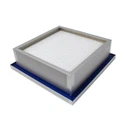
Our Single Flange V - type HEPA Filter Clean Room is specifically designed for clean rooms, where it provides a high - level of air filtration to ensure a particle - free environment. This helps to maintain the quality and reliability of the products being manufactured.
The Importance of Choosing the Right Filter
Selecting the appropriate industrial filter is crucial for achieving the desired results. Factors such as the type of contaminants, the flow rate, the operating temperature, and the pressure drop need to be carefully considered. A filter that is not properly matched to the application may not perform effectively, leading to reduced efficiency, increased maintenance costs, and potential equipment damage.
As a supplier of industrial filters, we have a team of experts who can provide customized solutions based on your specific requirements. We offer a wide range of filters, including air filters, liquid filters, and gas filters, to meet the diverse needs of different industries.
Conclusion
In conclusion, industrial filters are an indispensable part of modern industrial operations. They perform a variety of functions, including contaminant removal, equipment protection, process efficiency improvement, environmental compliance, and product quality maintenance. By choosing the right filter and ensuring its proper installation and maintenance, companies can enhance their productivity, reduce costs, and meet the highest standards of quality and environmental responsibility.
If you are in need of industrial filters for your business, we invite you to contact us for a consultation. Our team of experts will work closely with you to understand your requirements and provide the best - suited filter solutions. Let's work together to optimize your industrial processes and achieve your business goals.
References
- "Industrial Filtration Handbook" by Peter A. Schweitzer
- "Filtration and Separation" magazine
- Various industry - specific technical standards and regulations