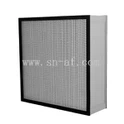
Hey there! As a supplier of ULPA filters, I often get asked about the pressure drop across these filters. It's a crucial aspect that can significantly impact the performance and efficiency of your ventilation or air - purification system. So, let's dig into what exactly the pressure drop across a ULPA filter is and why it matters.
What is Pressure Drop?
First off, let's understand what pressure drop means. In simple terms, pressure drop is the difference in pressure between the upstream and downstream sides of a filter. When air flows through a ULPA filter, it has to pass through the fine media that captures particles. This media creates resistance to the air flow, and as a result, the pressure on the downstream side is lower than on the upstream side. This difference in pressure is the pressure drop.
You can think of it like water flowing through a pipe with a mesh screen in the middle. The screen slows down the water flow and creates a difference in water pressure on either side of the screen. Similarly, a ULPA filter creates resistance to the air flow, leading to a pressure drop.
Why is Pressure Drop Important?
The pressure drop across a ULPA filter is super important for several reasons. Firstly, it affects the energy consumption of your system. The greater the pressure drop, the more energy your fan or blower needs to use to push the air through the filter. This means higher electricity bills in the long run.
Secondly, pressure drop can impact the overall performance of your ventilation or air - purification system. If the pressure drop is too high, the air flow rate may decrease, which can lead to poor air circulation and inefficient removal of contaminants. On the other hand, if the pressure drop is too low, it might indicate that the filter is not working effectively, and particles may be slipping through.
Factors Affecting Pressure Drop
There are several factors that can affect the pressure drop across a ULPA filter.
Filter Media
The type and quality of the filter media play a huge role. ULPA filters are designed to capture extremely small particles, and the media is made up of fine fibers. The density and structure of these fibers can vary, and a denser media will generally have a higher pressure drop because it offers more resistance to the air flow.
Filter Design
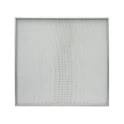
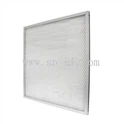
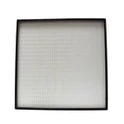
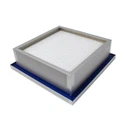
The design of the filter, such as the pleat shape and spacing, also affects the pressure drop. For example, a filter with closely spaced pleats may have a higher pressure drop compared to one with wider pleats. Our U16 Mini - Pleat ULPA Filter, U17 Mini - Pleat ULPA Filter, and U15 Mini - Pleat ULPA Filter are designed with optimized pleat spacing to balance between high filtration efficiency and reasonable pressure drop.
Air Flow Rate
The speed at which the air passes through the filter, known as the air flow rate, has a direct impact on the pressure drop. As the air flow rate increases, the pressure drop also increases. This is because at higher flow rates, the air has to push through the filter media more forcefully, encountering more resistance.
Dust Loading
Over time, as the filter captures more and more particles, the pressure drop will increase. This is because the accumulated dust and debris on the filter media create additional resistance to the air flow. It's important to monitor the pressure drop regularly and replace the filter when it reaches a certain level to maintain the efficiency of your system.
Measuring Pressure Drop
To measure the pressure drop across a ULPA filter, you can use a differential pressure gauge. This device measures the difference in pressure between the upstream and downstream sides of the filter. By regularly checking the pressure drop, you can keep track of the filter's performance and know when it's time to replace it.


How to Manage Pressure Drop
As a ULPA filter supplier, we understand the importance of managing pressure drop. Here are some tips to help you keep the pressure drop in check:
- Choose the Right Filter: Select a filter with an appropriate design and media for your specific application. Consider factors such as the required filtration efficiency, air flow rate, and the level of contaminants in the air.
- Maintain Proper Air Flow: Make sure that your ventilation system is designed to provide a consistent and appropriate air flow rate. Avoid over - or under - sizing the system, as this can lead to excessive pressure drop or poor filtration performance.
- Regular Maintenance: Keep your filters clean and replace them at the recommended intervals. This will help prevent excessive dust loading and keep the pressure drop within an acceptable range.
Conclusion
In conclusion, the pressure drop across a ULPA filter is a critical factor that can affect the energy consumption, performance, and efficiency of your ventilation or air - purification system. By understanding what causes pressure drop, how to measure it, and how to manage it, you can ensure that your system runs smoothly and effectively.
If you're in the market for high - quality ULPA filters, we're here to help. Our U16 Mini - Pleat ULPA Filter, U17 Mini - Pleat ULPA Filter, and U15 Mini - Pleat ULPA Filter are designed to offer excellent filtration efficiency with reasonable pressure drop. Contact us today to discuss your specific requirements and let's work together to find the best solution for your needs.
References
- ASHRAE Handbook - HVAC Systems and Equipment
- ISO 16890:2016 - Air filters for general ventilation
- Technical documents from leading filter manufacturers