As a supplier of U15 Mini-Pleat ULPA Filters, I've witnessed firsthand the transformative power these filters have on air quality, especially in the hospitality industry. Hotels are bustling hubs of activity, accommodating guests from all corners of the globe. Ensuring a clean and healthy indoor environment is not just a luxury but a necessity for guest satisfaction and well-being. In this blog, I'll delve into the significant impact of U15 Mini-Pleat ULPA Filters on hotel air quality and why they are a game-changer for the industry.

Understanding U15 Mini-Pleat ULPA Filters
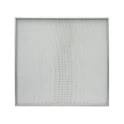
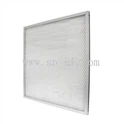
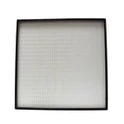
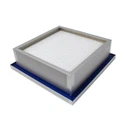
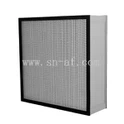
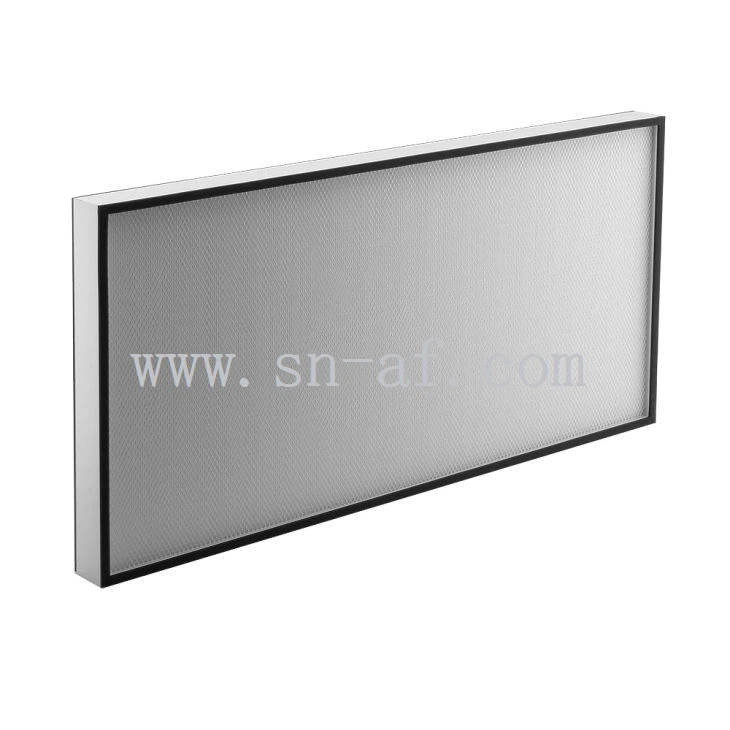
Before we explore their impact, let's understand what U15 Mini-Pleat ULPA Filters are. ULPA stands for Ultra-Low Particulate Air, and these filters are designed to capture ultra-fine particles with exceptional efficiency. The "U15" designation indicates the filter's performance level, with a minimum efficiency of 99.9995% for particles sized 0.12 microns or larger. The mini-pleat design maximizes the filter's surface area, allowing for greater air flow and enhanced filtration capacity.
The Importance of Air Quality in Hotels
Hotels are unique environments that face a variety of air quality challenges. Guests bring in a diverse range of pollutants, including dust, pollen, pet dander, and volatile organic compounds (VOCs) from personal care products and cleaning agents. Additionally, hotels often have large ventilation systems that circulate air throughout the building, which can spread contaminants if not properly filtered.
Poor air quality in hotels can have several negative consequences. It can cause discomfort and health issues for guests, such as respiratory problems, allergies, and headaches. It can also damage the hotel's reputation, leading to negative reviews and a loss of business. On the other hand, clean and fresh air can enhance the guest experience, improve comfort, and promote a sense of well-being.
How U15 Mini-Pleat ULPA Filters Improve Hotel Air Quality
U15 Mini-Pleat ULPA Filters offer several key benefits that make them ideal for improving air quality in hotels.
High-Efficiency Filtration
The primary function of U15 Mini-Pleat ULPA Filters is to remove ultra-fine particles from the air. These filters can capture particles as small as 0.12 microns with a high degree of efficiency, including dust, pollen, mold spores, bacteria, and viruses. By removing these contaminants, the filters help to create a cleaner and healthier indoor environment for guests.
Enhanced Air Flow
The mini-pleat design of U15 Mini-Pleat ULPA Filters allows for greater air flow compared to traditional filters. This means that the filters can maintain a high level of filtration efficiency while minimizing the pressure drop across the filter. As a result, the ventilation system can operate more efficiently, reducing energy consumption and costs.
Long Service Life
U15 Mini-Pleat ULPA Filters are designed to have a long service life, which reduces the frequency of filter replacements. This not only saves time and money but also minimizes the disruption to hotel operations. Additionally, the long service life of these filters helps to ensure consistent air quality over an extended period.
Low Maintenance
U15 Mini-Pleat ULPA Filters are relatively easy to maintain. They require periodic cleaning or replacement, depending on the level of use and the environment. The filters can be easily accessed and removed from the ventilation system, making maintenance a straightforward process.
Real-World Impact of U15 Mini-Pleat ULPA Filters in Hotels
To illustrate the real-world impact of U15 Mini-Pleat ULPA Filters in hotels, let's consider a case study. A large luxury hotel in a major city was experiencing complaints from guests about poor air quality. The hotel management decided to install U15 Mini-Pleat ULPA Filters in their ventilation system to address the issue.
After the installation of the filters, the hotel noticed a significant improvement in air quality. Guests reported feeling more comfortable and experiencing fewer respiratory problems. The hotel also saw a reduction in the number of complaints related to air quality, which had a positive impact on their reputation. Additionally, the improved air quality led to a decrease in energy consumption, as the ventilation system was able to operate more efficiently.
Choosing the Right ULPA Filter for Your Hotel
When choosing a ULPA filter for your hotel, it's important to consider several factors. In addition to the U15 Mini-Pleat ULPA Filter, you may also want to explore other options, such as the U16 Mini-Pleat ULPA Filter and the U17 Mini-Pleat ULPA Filter. These filters offer even higher levels of filtration efficiency, making them suitable for environments with more stringent air quality requirements.
It's also important to consider the size and capacity of the filter, as well as the compatibility with your ventilation system. Working with a reputable filter supplier can help you choose the right filter for your specific needs and ensure proper installation and maintenance.
Conclusion
In conclusion, U15 Mini-Pleat ULPA Filters have a significant impact on the air quality in hotels. These filters offer high-efficiency filtration, enhanced air flow, long service life, and low maintenance, making them an ideal choice for improving the indoor environment in hotels. By investing in U15 Mini-Pleat ULPA Filters, hotels can provide a cleaner and healthier experience for their guests, enhance their reputation, and reduce energy consumption and costs.
If you're interested in learning more about our U15 Mini-Pleat ULPA Filters or discussing your specific air quality needs, please don't hesitate to contact us. We're here to help you create a healthier and more comfortable environment for your guests.
References
- "Air Quality in Hotels: A Review of the Literature." Journal of Hospitality and Tourism Research, vol. 40, no. 2, 2016, pp. 205-224.
- "The Impact of Indoor Air Quality on Guest Satisfaction in Hotels." International Journal of Hospitality Management, vol. 56, 2016, pp. 1-10.
- "ULPA Filters: Design, Performance, and Applications." Filtration & Separation, vol. 52, no. 7, 2015, pp. 30-35.