As a supplier of U17 Mini-Pleat ULPA Filters, I often get asked about the differences between U17 Mini-Pleat ULPA Filters and HEPA filters. In this blog post, I'll break down the key distinctions to help you understand which filter is the best fit for your specific needs.
1. Filtration Efficiency
The most significant difference between U17 Mini-Pleat ULPA Filters and HEPA filters lies in their filtration efficiency. HEPA (High-Efficiency Particulate Air) filters are designed to capture at least 99.97% of particles that are 0.3 microns in diameter. This standard has been the gold - standard for high - efficiency filtration in many industries for a long time.
On the other hand, U17 Mini-Pleat ULPA (Ultra - Low Penetration Air) filters offer even higher filtration efficiency. U17 ULPA filters are capable of removing at least 99.9999% of particles that are 0.12 microns in diameter. The smaller particle size and higher capture rate make U17 Mini-Pleat ULPA Filters U17 Mini-Pleat ULPA Filter an ideal choice for environments where the strictest air quality control is required.
For example, in semiconductor manufacturing facilities, the presence of even the tiniest particles can cause defects in microchips. U17 Mini-Pleat ULPA Filters are used to ensure that the air in cleanrooms is virtually particle - free, which is crucial for the production of high - quality semiconductors. In contrast, HEPA filters might not provide the level of purity needed in such sensitive manufacturing processes.
2. Construction and Design
The construction of U17 Mini-Pleat ULPA Filters and HEPA filters also differs. HEPA filters typically use a pleated media made of fiberglass or other synthetic materials. The pleats increase the surface area of the filter, allowing for more particles to be trapped as air passes through.
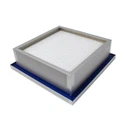
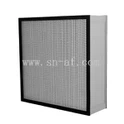
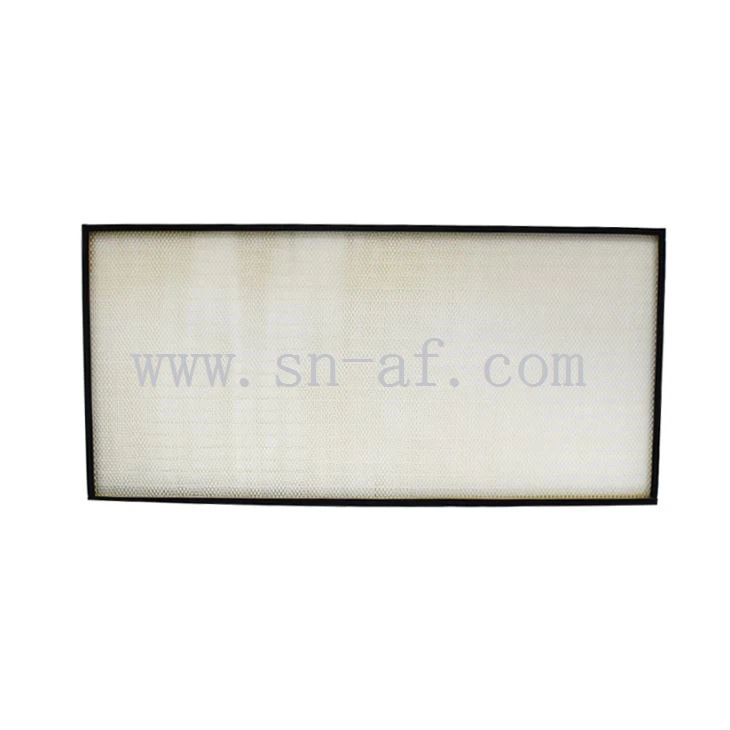
U17 Mini-Pleat ULPA Filters, as the name suggests, have a mini - pleat design. The mini - pleats are much closer together compared to the pleats in HEPA filters. This design not only increases the surface area of the filter but also provides a more uniform airflow distribution. The closer pleats also help to capture smaller particles more effectively.
The frame materials used in these filters can also vary. HEPA filters may use aluminum, galvanized steel, or plastic frames depending on the application. U17 Mini-Pleat ULPA Filters often use high - quality materials for their frames to ensure structural integrity, especially in high - pressure and high - airflow applications.

3. Pressure Drop
Pressure drop is an important factor to consider when choosing a filter. Pressure drop refers to the decrease in air pressure as air passes through the filter. A higher pressure drop means that more energy is required to push air through the filter, which can lead to increased operating costs.
HEPA filters generally have a lower pressure drop compared to U17 Mini-Pleat ULPA Filters. This is because the pleat design and the filtration media in HEPA filters allow air to pass through more easily. However, the lower pressure drop comes at the cost of lower filtration efficiency.
U17 Mini-Pleat ULPA Filters have a higher pressure drop due to their higher filtration efficiency and the closer pleat design. The increased resistance to airflow means that more powerful fans or blowers are needed to maintain the desired airflow rate. But in applications where air purity is the top priority, the higher energy cost associated with the increased pressure drop is often considered acceptable.
4. Applications
The differences in filtration efficiency, construction, and pressure drop lead to different applications for U17 Mini-Pleat ULPA Filters and HEPA filters.
HEPA filters are widely used in a variety of settings, including hospitals, commercial buildings, and residential air purifiers. In hospitals, HEPA filters are used in operating rooms, isolation wards, and intensive care units to prevent the spread of airborne pathogens. In commercial buildings, they help to improve indoor air quality by removing dust, pollen, and other common allergens.
U17 Mini-Pleat ULPA Filters are mainly used in industries where extremely clean air is essential. As mentioned earlier, the semiconductor industry is a major user of U17 Mini-Pleat ULPA Filters. Other industries that rely on these filters include pharmaceutical manufacturing, biotechnology research, and aerospace engineering. In pharmaceutical manufacturing, for example, U17 Mini-Pleat ULPA Filters are used to ensure that the air in production areas is free from contaminants that could affect the quality and safety of drugs.
5. Cost
Cost is another significant difference between U17 Mini-Pleat ULPA Filters and HEPA filters. HEPA filters are generally more affordable than U17 Mini-Pleat ULPA Filters. The lower cost is due to the simpler construction, lower filtration efficiency, and the wider availability of HEPA filters in the market.
U17 Mini-Pleat ULPA Filters are more expensive for several reasons. The high - quality filtration media, the complex mini - pleat design, and the strict manufacturing processes required to achieve the high filtration efficiency all contribute to the higher cost. Additionally, the higher pressure drop associated with U17 Mini-Pleat ULPA Filters means that there are also higher operating costs in terms of energy consumption.
However, in applications where the benefits of high - efficiency filtration outweigh the cost, such as in critical manufacturing processes or research facilities, the investment in U17 Mini-Pleat ULPA Filters is often justified.
6. Maintenance and Lifespan
Maintenance requirements and lifespan can also vary between the two types of filters. HEPA filters usually have a relatively longer lifespan compared to U17 Mini-Pleat ULPA Filters. This is because the lower pressure drop and the less stringent filtration requirements mean that the filter media in HEPA filters do not get clogged as quickly.
U17 Mini-Pleat ULPA Filters need to be replaced more frequently. The high - efficiency filtration means that they capture a large number of particles, which can quickly clog the filter media. Regular replacement of U17 Mini-Pleat ULPA Filters is necessary to maintain the desired air quality and prevent an excessive increase in pressure drop.
When it comes to maintenance, both types of filters require regular inspections to check for signs of damage or clogging. However, due to the higher cost and the critical nature of U17 Mini-Pleat ULPA Filters, more careful maintenance and monitoring are usually carried out.
Conclusion
In conclusion, U17 Mini-Pleat ULPA Filters and HEPA filters have distinct differences in terms of filtration efficiency, construction, pressure drop, applications, cost, and maintenance. HEPA filters are a great choice for general air purification needs where a high level of filtration is required but not to the extreme level. They offer a good balance between filtration efficiency and cost.
U17 Mini-Pleat ULPA Filters, on the other hand, are designed for applications where the strictest air quality control is necessary. Their high filtration efficiency, although accompanied by a higher cost and shorter lifespan, makes them indispensable in industries such as semiconductor manufacturing, pharmaceuticals, and biotechnology.
If you are in need of high - quality U17 Mini-Pleat ULPA Filters, U17 Mini-Pleat ULPA Filter, U16 Mini-Pleat ULPA Filter, or U15 Mini-Pleat ULPA Filter, we are here to provide you with the best solutions. Contact us for more information and to discuss your specific requirements. We can help you choose the right filter for your application and ensure that you get the most out of your filtration system.
References
- ASHRAE Handbook - HVAC Systems and Equipment
- ISO 16890:2016 - Air filters for general ventilation
- Semiconductor Equipment and Materials International (SEMI) standards for cleanroom air filtration