When it comes to selling Synthetic Pocket Filters, the product specifications play a crucial role. They're like a detailed map that helps customers understand exactly what they're getting. As a supplier of Synthetic Pocket Filters, I know how important it is to include the right information in these specs. So, let's dive into what should be on that list.
1. Basic Product Information
First off, we need to give the basics. That includes the name of the product, which in our case is the Synthetic Pocket Filter. It might sound obvious, but it's the starting point for customers looking for this specific type of filter.
Next up is the model number. This unique identifier helps us and the customers keep track of the exact product variant. It's like a fingerprint for the filter, making it easier to order replacements or re - order the same product in the future.

2. Physical Dimensions
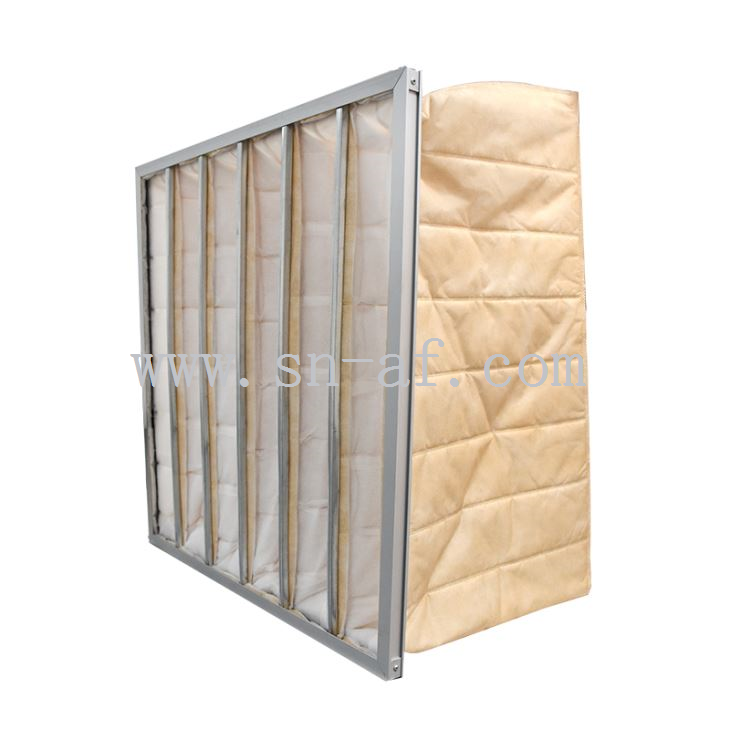
Customers need to know if the filter will fit their equipment. So, we've got to list the physical dimensions. This includes the length, width, and height of the filter. For example, if it's a standard - sized filter, we can mention common measurements like 24" x 24" x 6". And if there are any variations in size available, we should list those too. It's all about making sure the customer can visualize how the filter will fit into their system.
3. Construction Materials
The materials used in the construction of the Synthetic Pocket Filter are a big deal. We're using synthetic materials, of course, but it's important to be more specific. Maybe it's made from a high - quality polyester fiber. This information is crucial because it gives the customer an idea of the filter's durability, resistance to chemicals, and overall performance.
For instance, a filter made from a certain type of synthetic fiber might be more resistant to moisture, which is great for applications in humid environments. We should also mention if there are any special coatings or treatments on the filter media, as these can enhance its performance.
4. Filtration Efficiency
One of the most important aspects of a filter is its filtration efficiency. This tells the customer how well the filter can remove particles from the air. We usually measure this in terms of the percentage of particles of a certain size that the filter can capture.
For example, a Pocket Air Filter F5 might have a filtration efficiency of capturing 40 - 60% of particles in the range of 1 - 5 microns. This information is vital for customers because they need to know if the filter will meet the air quality requirements of their specific application. Whether it's for an industrial setting, a commercial building, or a cleanroom, the filtration efficiency can make or break the decision to purchase.
5. Airflow Resistance
Another key factor is the airflow resistance of the filter. When air passes through the filter, there's going to be some resistance, which can affect the performance of the ventilation system. We measure this in terms of pressure drop, usually in Pascals (Pa).
A lower pressure drop means that the filter allows air to pass through more easily, which can save energy in the long run. We should provide the pressure drop values at different airflow rates. This way, customers can calculate how the filter will impact their ventilation system and make an informed decision.
6. Dust Holding Capacity
The dust holding capacity of the filter indicates how much dust it can collect before it needs to be replaced. This is important because it affects the maintenance schedule and cost. A filter with a high dust holding capacity will last longer between replacements, which can save the customer time and money.
We can express the dust holding capacity in grams per square meter (g/m²). By providing this information, we're giving the customer an idea of how often they'll need to change the filter and plan their maintenance budget accordingly.
7. Operating Conditions
It's essential to let the customer know the operating conditions under which the filter performs best. This includes the temperature and humidity range. For example, the Synthetic Pocket Filter might work optimally between 0°C and 50°C and at a relative humidity of 10 - 90%.
If the filter is going to be used in extreme conditions, like a very hot or very cold environment, the customer needs to know if the filter can handle it. We should also mention any limitations or special requirements for installation and operation, such as the need for a pre - filter in certain applications.
8. Installation and Maintenance Instructions
To make the customer's life easier, we should include installation and maintenance instructions in the product specifications. This can be as simple as a step - by - step guide on how to install the filter into the housing.
We should also provide information on how to clean or replace the filter. For example, if the filter is washable, we can give instructions on the type of cleaning solution to use and the proper cleaning procedure. If it's a disposable filter, we can tell the customer when it's time to replace it based on factors like pressure drop and dust loading.
9. Certifications and Standards
Many customers look for filters that meet certain certifications and standards. This gives them confidence in the quality and performance of the product. We should list any relevant certifications, such as ISO standards for air filters or industry - specific certifications.
These certifications show that the filter has been tested and meets certain quality and performance criteria. It's a selling point that can differentiate our product from the competition and give the customer peace of mind.
10. Compatibility
Lastly, we need to mention the compatibility of the Synthetic Pocket Filter with different ventilation systems. This includes information on whether it can be used with certain types of HVAC units, air handling systems, or other equipment.
We can provide a list of compatible systems or at least give some general guidelines on what types of systems the filter is suitable for. This helps the customer determine if the filter will work with their existing setup without any major modifications.
In conclusion, providing comprehensive product specifications for our Synthetic Pocket Filters is essential. It helps customers make informed decisions, ensures that the filter is used correctly, and builds trust in our product. If you're in the market for a Synthetic Pocket Filter and have any questions about our products or need more detailed specifications, don't hesitate to reach out. We're here to help you find the perfect filter for your needs. Let's start a conversation and see how we can work together to improve your air quality.
References
- "Air Filtration Handbook" by some well - known author in the field.
- Industry standards and guidelines for air filters published by relevant organizations.