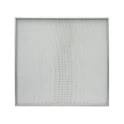
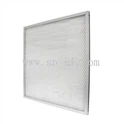
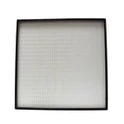
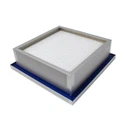
When it comes to handling U16 Mini-Pleat ULPA (Ultra Low Penetration Air) filters, safety should always be the top priority. As a trusted U16 Mini-Pleat ULPA Filter supplier, I understand the importance of adhering to strict safety precautions to ensure the well-being of everyone involved in the process. In this blog, I will share some essential safety measures that should be taken when dealing with these high-performance filters.
Understanding U16 Mini-Pleat ULPA Filters
Before delving into the safety precautions, it's crucial to have a basic understanding of U16 Mini-Pleat ULPA filters. These filters are designed to provide ultra-high efficiency in removing particulate matter from the air. They are commonly used in cleanrooms, pharmaceutical manufacturing, semiconductor production, and other industries where maintaining a contamination-free environment is critical.
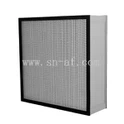
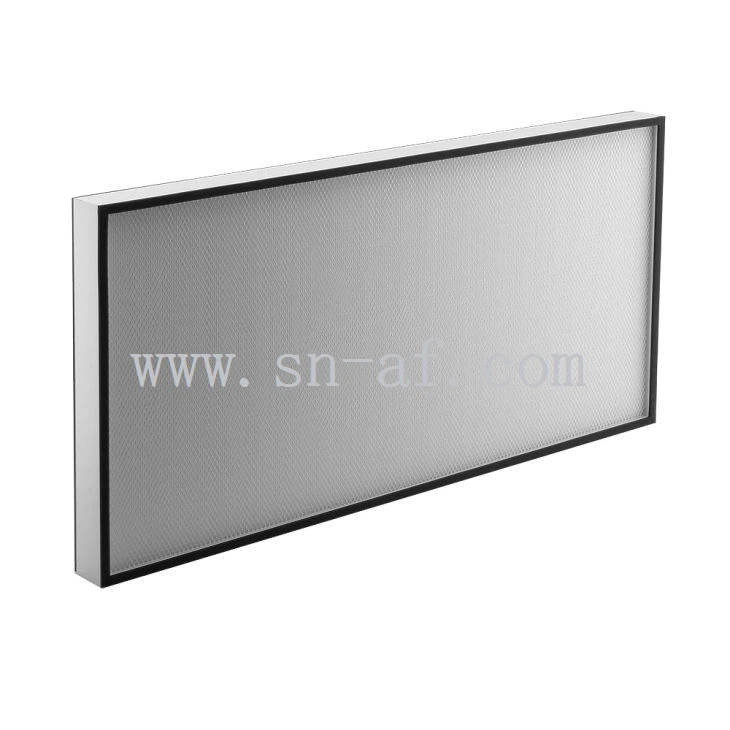
The "U16" rating indicates the filter's efficiency in capturing particles as small as 0.12 microns with a minimum efficiency of 99.9995%. The mini-pleat design allows for a larger filtration area within a compact space, enhancing the filter's performance.
Personal Protective Equipment (PPE)
One of the first steps in ensuring safety when handling U16 Mini-Pleat ULPA filters is to wear appropriate personal protective equipment (PPE). This includes:

- Gloves: Wear disposable gloves made of materials such as nitrile or latex to prevent direct contact with the filter media. This not only protects your hands from potential contaminants but also prevents the transfer of oils and dirt from your skin to the filter, which could compromise its performance.
- Masks: A particulate respirator or a face mask with a high filtration efficiency rating should be worn to protect your respiratory system from inhaling any airborne particles that may be released during handling. This is especially important when working in an environment where the filters are being removed or replaced.
- Safety Goggles: Protect your eyes from any potential debris or particles that may be dislodged during handling. Safety goggles with side shields provide the best protection.
- Protective Clothing: Wear clean, lint-free coveralls or lab coats to prevent the transfer of contaminants from your clothing to the filters. These garments should be changed regularly to maintain a clean working environment.
Handling and Storage
Proper handling and storage of U16 Mini-Pleat ULPA filters are essential to maintain their integrity and performance. Here are some key points to keep in mind:
- Transportation: When transporting the filters, ensure they are properly packaged to prevent damage. Use sturdy boxes or crates that are designed to protect the filters from impact and vibration. Avoid stacking heavy objects on top of the filters, as this could cause deformation or damage to the pleats.
- Storage Conditions: Store the filters in a clean, dry, and temperature-controlled environment. The ideal storage temperature range is between 10°C and 30°C (50°F and 86°F), with a relative humidity of less than 70%. Avoid storing the filters in areas prone to dust, moisture, or extreme temperature fluctuations, as these conditions can degrade the filter media and reduce its efficiency.
- Handling Techniques: When handling the filters, always hold them by the frame or edges to avoid touching the filter media. Use gentle, even pressure to prevent any damage to the pleats. Avoid bending or twisting the filters, as this can cause the media to tear or separate, reducing its effectiveness.
Installation and Replacement
Installing and replacing U16 Mini-Pleat ULPA filters requires careful attention to detail to ensure proper functioning and safety. Here are some important steps to follow:
- Pre-Installation Inspection: Before installing a new filter, inspect it carefully for any signs of damage or defects. Check the frame for any cracks or dents, and ensure that the filter media is intact and free from tears or holes. If any damage is detected, do not install the filter and contact the supplier for a replacement.
- Clean the Housing: Thoroughly clean the filter housing before installing a new filter. Remove any dust, debris, or old filter material from the housing using a vacuum cleaner or a clean, dry cloth. This helps to prevent the accumulation of contaminants and ensures a proper seal between the filter and the housing.
- Proper Alignment: Align the filter correctly with the housing to ensure a tight seal. Follow the manufacturer's instructions for installation, and use the appropriate mounting hardware to secure the filter in place. Make sure the filter is installed in the correct orientation, as indicated by the arrows on the frame.
- Sealing: Use a high-quality gasket or sealant to create an airtight seal between the filter and the housing. This helps to prevent air leakage around the filter, ensuring that all air passes through the filter media for maximum filtration efficiency.
- Post-Installation Testing: After installing a new filter, perform a leak test to ensure that the filter is properly installed and functioning correctly. Use a particle counter or other appropriate testing equipment to measure the air quality before and after the filter. If any leaks are detected, recheck the installation and make any necessary adjustments.
Disposal
Proper disposal of used U16 Mini-Pleat ULPA filters is essential to prevent environmental contamination and ensure the safety of waste management personnel. Here are some guidelines for filter disposal:
- Seal the Filters: Before disposing of a used filter, seal it in a plastic bag or other appropriate container to prevent the release of any trapped contaminants. This helps to contain the particles and prevent them from becoming airborne.
- Follow Local Regulations: Comply with all local, state, and federal regulations regarding the disposal of hazardous waste. In some cases, used ULPA filters may be considered hazardous waste due to the presence of contaminants. Contact your local waste management authority for specific instructions on how to dispose of the filters safely.
- Recycling Options: In some cases, it may be possible to recycle the filter materials. Check with the filter manufacturer or a recycling facility to see if they offer recycling services for U16 Mini-Pleat ULPA filters. Recycling not only helps to reduce waste but also conserves valuable resources.
Additional Considerations
In addition to the above safety precautions, there are some other factors to consider when handling U16 Mini-Pleat ULPA filters:
- Training: Ensure that all personnel involved in handling the filters are properly trained on the safety procedures and best practices. Provide regular training sessions to keep employees up-to-date on the latest safety guidelines and techniques.
- Emergency Response: Have an emergency response plan in place in case of an accident or spill involving the filters. This plan should include procedures for handling chemical spills, fires, and other emergencies, as well as contact information for emergency responders.
- Documentation: Keep detailed records of all filter installations, replacements, and maintenance activities. This documentation can be used to track the performance of the filters over time and to ensure compliance with safety regulations.
Conclusion
Handling U16 Mini-Pleat ULPA filters requires strict adherence to safety precautions to protect the health and safety of personnel and to maintain the integrity of the filters. By following the guidelines outlined in this blog, you can ensure that your operations run smoothly and efficiently while minimizing the risk of contamination and damage.
As a leading supplier of U16 Mini-Pleat ULPA filters, we are committed to providing our customers with high-quality products and comprehensive support. If you have any questions or need further information about our filters or safety precautions, please do not hesitate to contact us. We look forward to working with you to meet your filtration needs.
In addition to our U16 Mini-Pleat ULPA filters, we also offer U17 Mini-Pleat ULPA Filter and U15 Mini-Pleat ULPA Filter for applications that require even higher or slightly lower filtration efficiency. Visit our website at U16 Mini-Pleat ULPA Filter to learn more about our products and to start a procurement discussion.
References
- ASHRAE Standard 52.2-2017, Method of Testing General Ventilation Air-Cleaning Devices for Removal Efficiency by Particle Size
- ISO 16890:2016, Air filters -- Determination of filtration performance
- OSHA (Occupational Safety and Health Administration) regulations on personal protective equipment and hazardous waste disposal