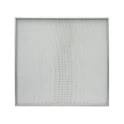
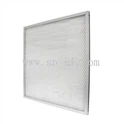
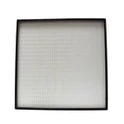
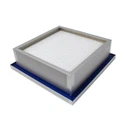
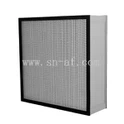
Selecting the appropriate U17 Mini-Pleat ULPA (Ultra-Low Penetration Air) filter for your specific application is a critical decision that can significantly impact the efficiency, performance, and safety of your air filtration system. As a trusted supplier of U17 Mini-Pleat ULPA Filter, I have witnessed firsthand the challenges and complexities that come with making this choice. In this blog post, I'll share my insights and expertise to help you navigate the selection process and make an informed decision.
Understanding Your Application Requirements
Before diving into the technical details of U17 Mini-Pleat ULPA filters, it's essential to understand your application's unique requirements. Different industries and environments have varying air quality standards and filtration needs. For example, pharmaceutical manufacturing facilities require strict control of airborne particles to ensure product purity and compliance with regulatory standards. On the other hand, data centers may need to protect sensitive equipment from dust and other contaminants that could cause overheating and system failures.
To identify your application's specific requirements, consider the following factors:

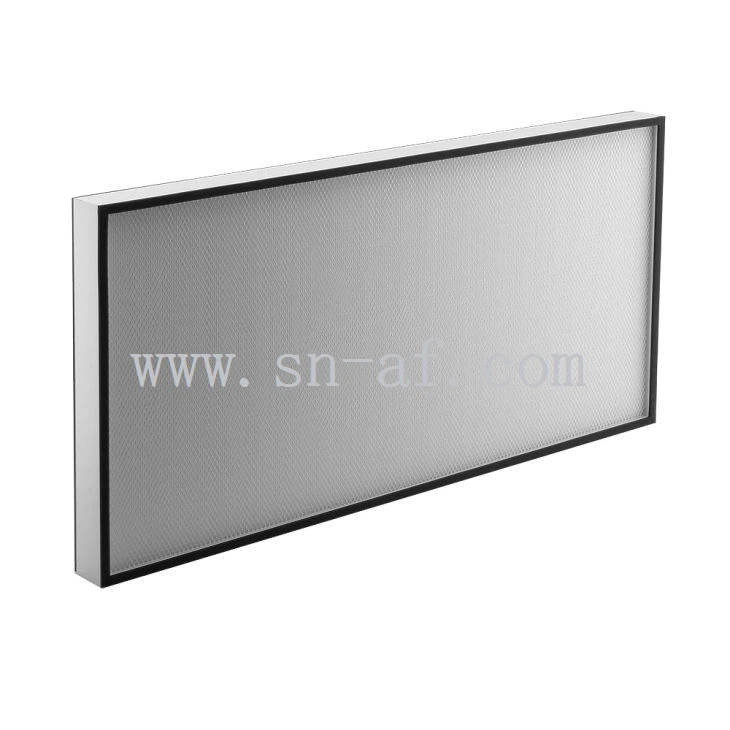
- Particle Size and Concentration: Determine the size and concentration of the particles you need to filter. U17 Mini-Pleat ULPA filters are designed to capture particles as small as 0.12 microns with an efficiency of 99.99995%. Understanding the particle size distribution in your environment will help you choose a filter with the appropriate filtration efficiency.
- Airflow Rate: The airflow rate, also known as the volumetric flow rate, is the volume of air that passes through the filter per unit of time. It's crucial to select a filter that can handle the required airflow rate without causing excessive pressure drop. A high-pressure drop can reduce the efficiency of your air handling system and increase energy consumption.
- Operating Conditions: Consider the operating conditions of your application, such as temperature, humidity, and exposure to chemicals or corrosive substances. Some filters may be more suitable for harsh environments than others, so it's important to choose a filter that can withstand the specific conditions of your application.
- Regulatory Requirements: Ensure that the filter you choose complies with all relevant regulatory standards and guidelines. Different industries may have specific air quality requirements, such as ISO 14644 for cleanrooms or HEPA filter standards for healthcare facilities.
Comparing Filter Performance Metrics
Once you have a clear understanding of your application requirements, it's time to compare the performance metrics of different U17 Mini-Pleat ULPA filters. The following are some of the key performance metrics to consider:
- Filtration Efficiency: Filtration efficiency is the percentage of particles removed from the air by the filter. As mentioned earlier, U17 Mini-Pleat ULPA filters have a minimum efficiency of 99.99995% for particles as small as 0.12 microns. A higher filtration efficiency means better air quality and more effective particle removal.
- Pressure Drop: Pressure drop is the resistance to airflow caused by the filter. It's measured in pascals (Pa) or inches of water gauge (in. w.g.). A lower pressure drop indicates that the filter allows air to pass through more easily, which reduces energy consumption and extends the life of your air handling system.
- Dust-Holding Capacity: Dust-holding capacity is the amount of dust and other particles that the filter can hold before it needs to be replaced. A higher dust-holding capacity means longer filter life and fewer filter changes, which can save you time and money in the long run.
- Media Type: The media type used in the filter can also affect its performance. Common media types for U17 Mini-Pleat ULPA filters include glass fiber, synthetic fiber, and composite media. Each media type has its own advantages and disadvantages, so it's important to choose a media type that is suitable for your application.
Evaluating Filter Design and Construction
In addition to performance metrics, it's also important to evaluate the design and construction of the U17 Mini-Pleat ULPA filter. The following are some of the key factors to consider:
- Mini-Pleat Design: The mini-pleat design of the filter increases the surface area of the filter media, which allows for more efficient particle capture and lower pressure drop. A well-designed mini-pleat filter will have uniform pleat spacing and a consistent pleat height to ensure optimal performance.
- Frame Material: The frame material of the filter provides structural support and protection for the filter media. Common frame materials include aluminum, stainless steel, and plastic. Each frame material has its own advantages and disadvantages, so it's important to choose a frame material that is suitable for your application.
- Sealant Type: The sealant used in the filter helps to prevent air leakage around the edges of the filter media. A high-quality sealant will ensure a tight seal and prevent bypass, which can reduce the efficiency of the filter.
- Durability and Longevity: Evaluate the durability and longevity of the filter to ensure that it can withstand the demands of your application. Consider factors such as the quality of the materials used, the manufacturing process, and the expected lifespan of the filter.
Considering Cost and Value
While cost is an important consideration when choosing a U17 Mini-Pleat ULPA filter, it's not the only factor. It's important to consider the overall value of the filter, which includes its performance, durability, and long-term cost savings. A higher-quality filter may have a higher upfront cost, but it can provide better performance and last longer, which can result in lower lifetime costs.
When comparing the cost of different filters, be sure to consider the following factors:
- Initial Purchase Price: The initial purchase price of the filter is the most obvious cost factor. However, it's important to remember that a lower-priced filter may not necessarily be the best value in the long run.
- Operating Costs: Operating costs include energy consumption, maintenance costs, and filter replacement costs. A filter with a lower pressure drop will require less energy to operate, which can result in significant cost savings over time. Additionally, a filter with a higher dust-holding capacity will need to be replaced less frequently, which can reduce maintenance costs.
- Warranty and Support: A manufacturer that offers a comprehensive warranty and excellent customer support can provide peace of mind and ensure that you get the most out of your filter investment.
Seeking Expert Advice
Choosing the right U17 Mini-Pleat ULPA filter for your application can be a complex and challenging process. If you're unsure which filter is best for your needs, it's a good idea to seek expert advice from a qualified air filtration specialist or a reputable filter supplier. As a supplier of U17 Mini-Pleat ULPA Filter, I have the knowledge and experience to help you select the right filter for your specific application. I can provide you with detailed information about the different filter options available, answer your questions, and offer personalized recommendations based on your unique requirements.
In addition to U17 Mini-Pleat ULPA Filter, we also offer a wide range of other air filtration products, including U15 Mini-Pleat ULPA Filter and U16 Mini-Pleat ULPA Filter. Our team of experts can help you determine which filter is best for your application based on your specific needs and budget.
Contact Us for a Consultation
If you're ready to take the next step and choose the right U17 Mini-Pleat ULPA filter for your application, I encourage you to contact us for a consultation. Our team of experts will work with you to understand your requirements, evaluate your options, and provide you with a customized solution that meets your needs and budget. We're committed to providing our customers with the highest quality products and services, and we look forward to helping you achieve your air filtration goals.
References
- ASHRAE Handbook - HVAC Systems and Equipment. American Society of Heating, Refrigerating and Air-Conditioning Engineers.
- ISO 14644-1:2015. Cleanrooms and associated controlled environments -- Part 1: Classification of air cleanliness. International Organization for Standardization.
- EN 1822:2019. High efficiency air filters (HEPA and ULPA) -- Part 4: Determination of filtration performance and marking. European Committee for Standardization.