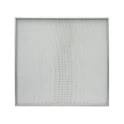
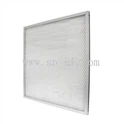
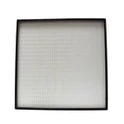
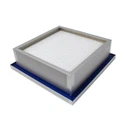
As a supplier of Gel Seal HEPA Filters, I'm often asked about the fascinating technology behind how the gel seal in these filters works. In this blog post, I'll delve into the science and functionality of the gel seal in Gel Seal HEPA Filters, exploring its importance, mechanism, and benefits.
The Importance of a Reliable Seal in HEPA Filters
High-Efficiency Particulate Air (HEPA) filters are designed to capture and remove at least 99.97% of particles that are 0.3 micrometers in diameter. These filters are widely used in various industries, including healthcare, pharmaceuticals, electronics manufacturing, and cleanrooms, where maintaining a high level of air quality is crucial.
However, the effectiveness of a HEPA filter depends not only on the filtration media but also on the quality of the seal around the filter. A poor seal can allow unfiltered air to bypass the filter, reducing its overall efficiency and compromising the air quality in the environment. This is where the gel seal in Gel Seal HEPA Filters comes into play.
How the Gel Seal Works
The gel seal in Gel Seal HEPA Filters is a specially formulated silicone gel that is applied around the perimeter of the filter frame. When the filter is installed in a housing or frame, the gel creates a tight, airtight seal between the filter and the surrounding structure.
The gel seal works through a combination of adhesion and flexibility. The silicone gel has excellent adhesive properties, allowing it to bond securely to the filter frame and the housing. This adhesion prevents air from leaking through the gaps between the filter and the housing, ensuring that all air passing through the system is forced to go through the filter media.
At the same time, the gel is highly flexible, which allows it to conform to the irregularities and imperfections of the filter frame and the housing. This flexibility ensures a perfect seal, even in situations where the surfaces are not perfectly flat or smooth. The gel can expand and contract with changes in temperature and pressure, maintaining its sealing properties over time.
Benefits of Gel Seal HEPA Filters
There are several key benefits to using Gel Seal HEPA Filters:
1. Superior Sealing Performance
The gel seal provides a much better seal than traditional methods, such as gaskets or adhesives. This reduces the risk of air leakage and ensures that the filter operates at its maximum efficiency. In critical applications, such as cleanrooms and hospitals, this can have a significant impact on air quality and the protection of sensitive equipment and personnel.
2. Easy Installation
Gel Seal HEPA Filters are relatively easy to install. The gel is pre-applied to the filter frame, eliminating the need for additional sealing materials or complex installation procedures. This can save time and labor costs during installation and maintenance.
3. Long-Term Durability
The silicone gel used in the gel seal is highly resistant to aging, temperature variations, and chemical exposure. This means that the seal will maintain its integrity over a long period of time, reducing the need for frequent replacements and ensuring consistent performance.
4. Versatility
Gel Seal HEPA Filters can be used in a wide range of applications and environments. The gel seal can withstand different operating conditions, including high humidity, extreme temperatures, and corrosive atmospheres. This makes them suitable for use in various industries, from food processing to aerospace.
Comparison with Other Filter Sealing Methods
To better understand the advantages of Gel Seal HEPA Filters, it's helpful to compare them with other common filter sealing methods:
1. Gaskets
Gaskets are a traditional sealing method used in many HEPA filters. While gaskets can provide a reasonable seal, they are often less effective than gel seals. Gaskets can compress over time, leading to gaps and air leakage. They also require precise installation to ensure a proper fit, which can be challenging in some applications.
2. Adhesives
Adhesives can be used to seal filters, but they have some limitations. Adhesives may not provide a flexible seal, which can lead to cracking or peeling over time. They can also be difficult to apply evenly, and if not applied correctly, they can create weak points in the seal.
3. Foam Seals
Foam seals are another option for filter sealing. However, foam can degrade over time, especially in high-temperature or high-humidity environments. It can also absorb moisture, which can reduce its sealing effectiveness and promote the growth of mold and bacteria.
Applications of Gel Seal HEPA Filters
Gel Seal HEPA Filters are used in a variety of applications where high-efficiency air filtration and a reliable seal are required. Some of the common applications include:
1. Cleanrooms
Cleanrooms are used in industries such as semiconductor manufacturing, pharmaceuticals, and biotechnology to maintain a controlled environment with low levels of particulate contamination. Gel Seal HEPA Filters are essential in cleanrooms to ensure that the air entering the room is free of particles that could damage sensitive equipment or contaminate products.
2. Hospitals and Healthcare Facilities
In hospitals, Gel Seal HEPA Filters are used in operating rooms, isolation rooms, and other critical areas to prevent the spread of airborne pathogens and protect patients and healthcare workers. The high-efficiency filtration and reliable seal of these filters help to maintain a clean and safe environment.
3. Laboratories
Laboratories often require precise control of air quality to ensure accurate experimental results. Gel Seal HEPA Filters are used in laboratories to remove dust, pollen, and other contaminants from the air, protecting sensitive instruments and samples.
4. Food Processing Plants
Food processing plants need to maintain a clean and hygienic environment to prevent contamination of food products. Gel Seal HEPA Filters are used in these facilities to remove airborne particles and microorganisms, ensuring the safety and quality of the food.
Our Product Range
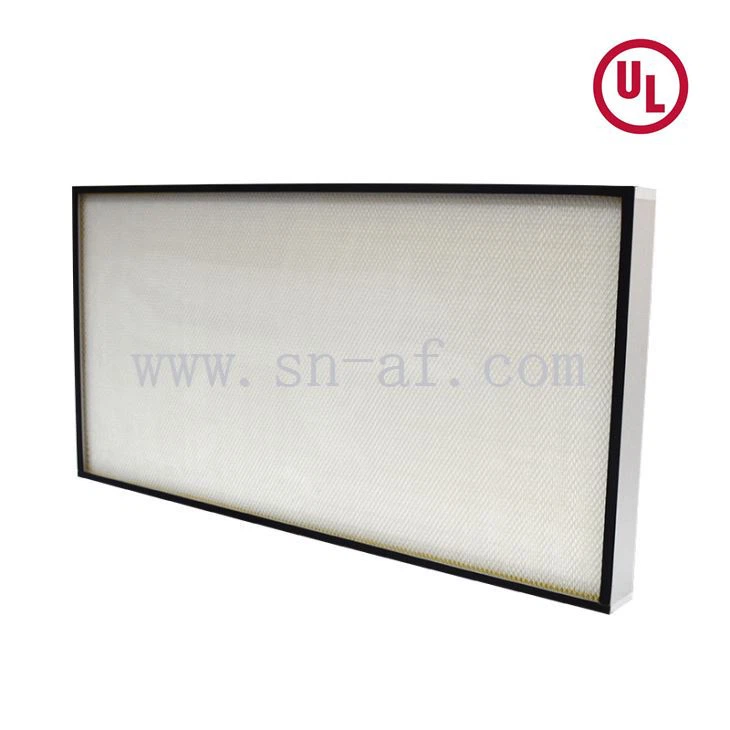
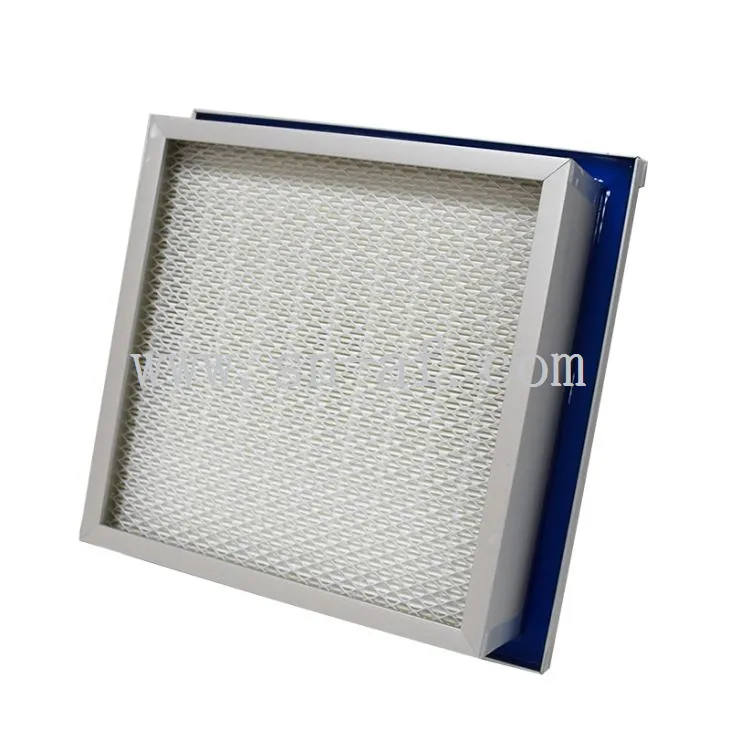
As a supplier of Gel Seal HEPA Filters, we offer a wide range of products to meet the diverse needs of our customers. Our product line includes Gel Seal HEPA Filter, H11 Mini-Pleat Filter, and H14 Mini-Pleat HEPA Filter.
Our Gel Seal HEPA Filters are available in different sizes and configurations to fit various applications. We use high-quality materials and advanced manufacturing processes to ensure the performance and reliability of our filters. Whether you need a filter for a small laboratory or a large industrial cleanroom, we have the solution for you.
Conclusion
The gel seal in Gel Seal HEPA Filters plays a crucial role in ensuring the effectiveness and reliability of these filters. By providing a superior seal, the gel helps to prevent air leakage and maintain high levels of air filtration efficiency. The benefits of Gel Seal HEPA Filters, including easy installation, long-term durability, and versatility, make them an ideal choice for a wide range of applications.
If you're interested in learning more about our Gel Seal HEPA Filters or have any questions about air filtration solutions, please don't hesitate to contact us. We're here to help you find the right filter for your specific needs and ensure the best air quality for your environment.
References
- "High-Efficiency Particulate Air (HEPA) Filters: A Review of Performance and Applications" - Journal of Air and Waste Management Association
- "Silicone Gel Seals for Air Filtration Systems" - Proceedings of the International Conference on Filtration and Separation
- "Advances in Air Filtration Technology" - ASHRAE Journal