Hey there! As a supplier of ULPA filters, I often get asked how ULPA filters stack up against activated carbon filters. It's a great question, and I'm here to break it down for you in a way that's easy to understand. So, let's dive in and explore the differences, advantages, and when to choose one over the other.
Understanding the Basics
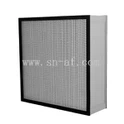
First things first, let's get a clear understanding of what each type of filter does. ULPA stands for Ultra Low Penetration Air, and ULPA filters are designed to trap extremely small particles from the air. They're super-efficient at removing things like dust, pollen, mold spores, and even some bacteria and viruses. These filters are commonly used in environments where air purity is crucial, such as hospitals, cleanrooms for electronics manufacturing, and pharmaceutical labs.
On the other hand, activated carbon filters are all about adsorbing gases and odors. Activated carbon has a huge surface area with tiny pores that can attract and hold onto molecules of various gases, chemicals, and unpleasant smells. You'll find activated carbon filters in air purifiers for homes, offices, and even in some industrial applications where controlling air quality in terms of odor and chemical pollutants is essential.
Efficiency in Particle Removal
When it comes to removing particles, ULPA filters are the undisputed champions. ULPA filters can capture up to 99.999% of particles that are 0.12 micrometers or larger. To put that into perspective, a human hair is about 70 - 100 micrometers in diameter. That means ULPA filters can catch particles that are hundreds of times smaller than a hair strand!
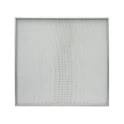
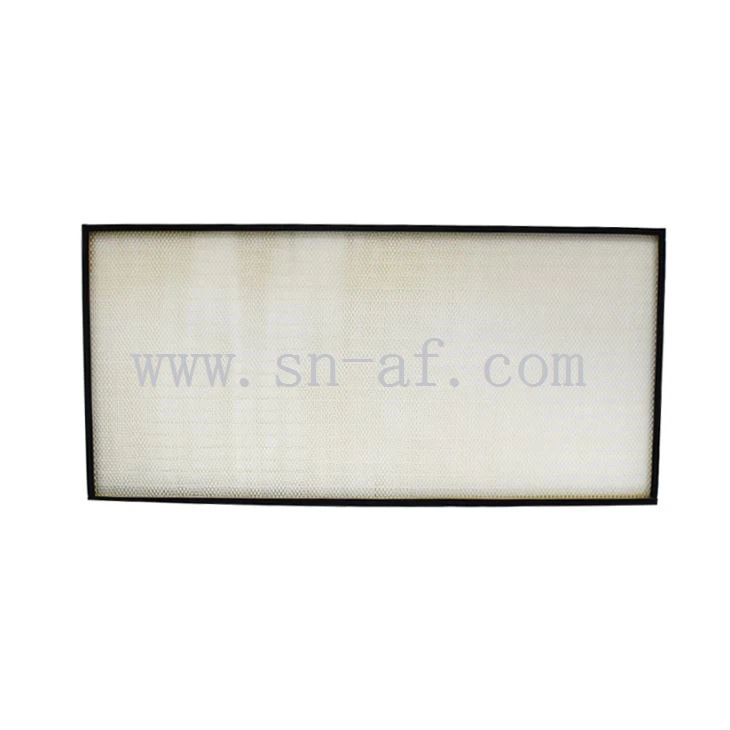
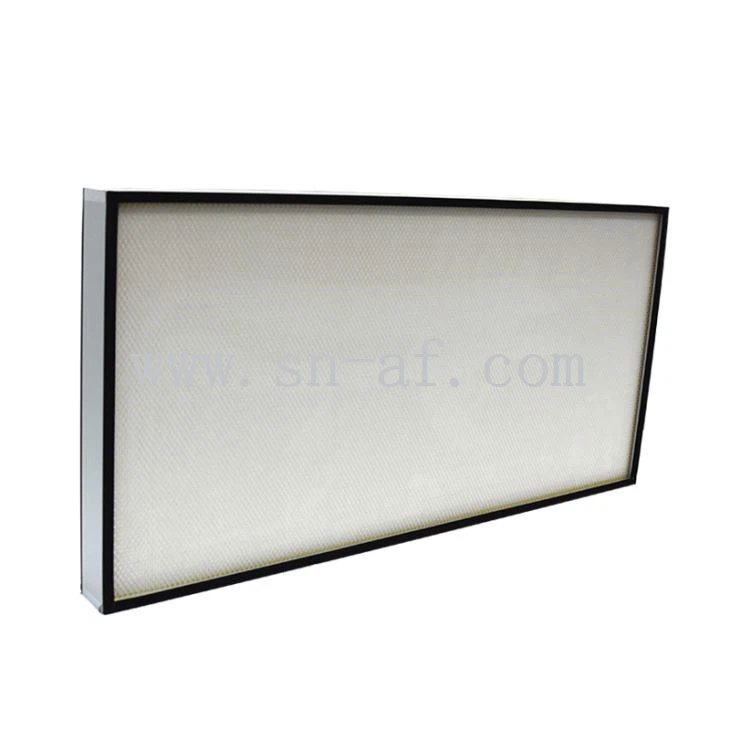
In comparison, activated carbon filters aren't built for particle removal. Their main function is dealing with gases and odors, so they're not nearly as effective at trapping solid particles. If you're in an environment where you need to eliminate dust, fine particulate matter, or biological contaminants, a ULPA filter is the way to go. For example, in a semiconductor manufacturing cleanroom, even the tiniest particle can cause defects in the microchips being produced. A U16 Mini-Pleat ULPA Filter would be a perfect choice to ensure the air is as particle-free as possible.
Gas and Odor Removal
While ULPA filters shine in particle removal, they're not great at getting rid of gases and odors. That's where activated carbon filters come in. The activated carbon in these filters has a unique property that allows it to chemically bond with gas molecules. This process, called adsorption, effectively removes a wide range of volatile organic compounds (VOCs), smoke, and strong odors from the air.
In a home kitchen, for instance, an activated carbon filter in a range hood can help eliminate cooking smells and grease vapors. In an industrial setting, it can be used to control emissions of harmful chemicals. But it's important to note that activated carbon filters have a limited capacity. Once the pores in the carbon are filled with adsorbed molecules, the filter needs to be replaced to maintain its effectiveness.
Lifespan and Maintenance
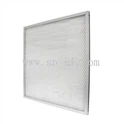
The lifespan of ULPA filters and activated carbon filters can vary quite a bit. ULPA filters generally have a longer lifespan, especially in clean environments. However, in dirty or high-traffic areas, their lifespan can be reduced as they quickly get clogged with particles. When a ULPA filter reaches its maximum capacity, it will need to be replaced. The good news is that modern ULPA filters, like our U15 Mini-Pleat ULPA Filter, are designed with a high dust-holding capacity and can last for several months to a few years, depending on the usage.
Activated carbon filters, on the other hand, usually have a shorter lifespan. Since they work by adsorbing gases and odors, they fill up relatively quickly, especially in environments with high levels of pollutants. Depending on the concentration of contaminants in the air, an activated carbon filter may need to be replaced every few weeks to a few months. Regular replacement is crucial to ensure that the filter continues to work effectively.
Cost Considerations
Cost is always an important factor when choosing a filter. ULPA filters are generally more expensive upfront compared to activated carbon filters. This is because of their high-efficiency construction and the materials used to achieve such a high level of particle removal. However, considering their longer lifespan and high performance in particle filtration, they can be a cost-effective solution in the long run, especially in settings where air purity is non-negotiable.
Activated carbon filters are typically cheaper to buy initially. But when you factor in the frequent replacement costs, the overall cost of using activated carbon filters over time can add up, especially in environments with heavy pollution.
When to Choose ULPA Filters
- High-Purity Environments: As mentioned earlier, places like cleanrooms, operating rooms in hospitals, and pharmaceutical production facilities need the highest level of air purity. ULPA filters are essential in these environments to prevent contamination and ensure the quality of products or patient safety.
- Particle-Sensitive Applications: If you're dealing with sensitive equipment, such as precision manufacturing machines or optical instruments, ULPA filters can protect them from particle damage. For example, in a data center, a ULPA filter can help keep the servers clean and prevent overheating caused by dust accumulation.
- Allergy and Asthma Sufferers: In homes or offices where people with allergies or asthma live or work, ULPA filters can significantly improve indoor air quality by removing allergens like pollen, dust mites, and pet dander.
When to Choose Activated Carbon Filters
- Odor and Gas Control: Anywhere there are strong odors or harmful gases, activated carbon filters are the answer. This includes kitchens, smoking areas, chemical labs, and industrial facilities that emit VOCs.
- Indoor Air Quality Improvement: In homes and offices, activated carbon filters can help remove common indoor pollutants like formaldehyde from new furniture and cleaning chemicals, as well as unpleasant odors from pets and garbage.
Combining the Best of Both Worlds
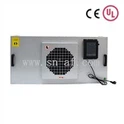
In some cases, the best approach is to use both ULPA filters and activated carbon filters together. For example, in a high-end air purifier, you might find a combination of a ULPA filter for particle removal and an activated carbon filter for gas and odor removal. This way, you can enjoy the benefits of both types of filtration and achieve a more comprehensive improvement in air quality.
Let's Talk Business
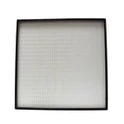
If you're in the market for ULPA filters, I'd love to chat with you. Our ULPA filters, including the U17 Mini-Pleat ULPA Filter, are designed to meet the highest standards of quality and performance. Whether you're a small business looking to improve your indoor air quality or a large industrial facility in need of reliable filtration solutions, we've got you covered. Reach out to us to discuss your specific requirements and let's find the perfect ULPA filter for you.
References
- "Air Filtration Handbook"
- "Principles of Environmental Engineering and Science"