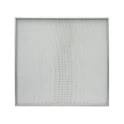
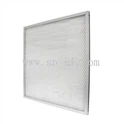
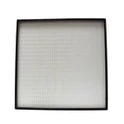
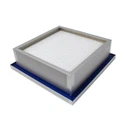
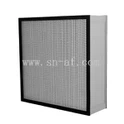
As a supplier of Pleating HEPA Air Filters, I understand the importance of maintaining the efficiency of these filters in various applications. One common concern among users is how to determine if their pleating HEPA air filter is clogged. In this blog, I will share some practical methods and signs to help you identify a clogged filter, ensuring that your air filtration system operates at its best.
Understanding the Function of Pleating HEPA Air Filters
Before delving into the signs of a clogged filter, it's essential to understand how pleating HEPA air filters work. High-Efficiency Particulate Air (HEPA) filters are designed to capture at least 99.97% of particles that are 0.3 microns in diameter. The pleating design increases the filter's surface area, allowing it to trap more particles without significantly increasing air resistance. This design feature is crucial for maintaining high filtration efficiency while minimizing the pressure drop across the filter.
Signs of a Clogged Pleating HEPA Air Filter
- Reduced Airflow
One of the most obvious signs of a clogged filter is reduced airflow. When a HEPA filter becomes clogged with dirt, dust, and other particles, it restricts the flow of air through the filter. You may notice that the air coming from your ventilation system or air purifier is weaker than usual. This can lead to poor air circulation in the room, making it feel stuffy or uncomfortable. - Increased Noise
As the filter becomes clogged, the fan in your air filtration system has to work harder to push air through the filter. This increased workload can cause the fan to make more noise than normal. If you notice a louder humming or buzzing sound coming from your air filtration equipment, it could be a sign that the filter is clogged. - Higher Energy Consumption
A clogged filter requires more energy to operate because the fan has to work harder to maintain the same airflow. This increased energy consumption can lead to higher electricity bills over time. If you notice a sudden increase in your energy costs without a corresponding increase in the usage of other electrical appliances, it may be time to check your HEPA filter. - Poor Air Quality
The primary function of a HEPA filter is to improve air quality by removing harmful particles from the air. If the filter is clogged, it may not be able to capture enough particles, resulting in poor air quality. You may notice an increase in dust on surfaces, a lingering musty odor, or an exacerbation of allergy or asthma symptoms. - Visual Inspection
In some cases, you can visually inspect the filter to determine if it is clogged. Remove the filter from the housing and hold it up to the light. If you can see a thick layer of dirt, dust, or debris on the surface of the filter, it is likely clogged. However, keep in mind that some particles may be trapped deep within the pleats, so a visual inspection may not always provide a complete picture.
Measuring the Pressure Drop
Another way to determine if your pleating HEPA air filter is clogged is to measure the pressure drop across the filter. The pressure drop is the difference in air pressure between the upstream and downstream sides of the filter. As the filter becomes clogged, the pressure drop increases because it becomes more difficult for air to pass through the filter.
Most air filtration systems are equipped with a pressure gauge or differential pressure sensor that can measure the pressure drop across the filter. You can refer to the manufacturer's specifications to determine the normal pressure drop range for your filter. If the measured pressure drop exceeds the recommended range, it is a sign that the filter is clogged and needs to be replaced.


Regular Maintenance and Replacement Schedule
To prevent filter clogging and ensure the long-term performance of your air filtration system, it is important to establish a regular maintenance and replacement schedule. The frequency of filter replacement depends on several factors, including the environment in which the filter is used, the airflow rate, and the level of particulate matter in the air.
In general, pleating HEPA air filters should be replaced every 6 to 12 months. However, in environments with high levels of dust or pollutants, such as industrial settings or construction sites, the filter may need to be replaced more frequently. It is also a good idea to inspect the filter regularly and replace it if you notice any of the signs of clogging mentioned above.
Other Types of Air Filters
In addition to pleating HEPA air filters, we also offer a variety of other air filters to meet the diverse needs of our customers. Metal Washable Air Grease Filters are designed to capture grease and oil mist in industrial kitchens and food processing facilities. These filters are made of metal and can be washed and reused, making them a cost-effective and sustainable option.
Cleanroom Multi Bag Air Filter are used in cleanroom environments to remove fine particles from the air. These filters have a high dust holding capacity and are designed to provide long-term filtration performance.
Gel Seal HEPA Filter for Top Tank are specifically designed for use in top tanks to prevent the entry of contaminants into the tank. These filters have a gel seal that provides a tight seal between the filter and the housing, ensuring high filtration efficiency.
Conclusion
Determining if your pleating HEPA air filter is clogged is crucial for maintaining the efficiency and performance of your air filtration system. By paying attention to the signs of clogging, measuring the pressure drop, and establishing a regular maintenance and replacement schedule, you can ensure that your filter continues to provide clean, healthy air for your home or workplace.
If you have any questions about our pleating HEPA air filters or other air filtration products, please do not hesitate to contact us. We are a professional Pleating HEPA Air Filter supplier, and we are committed to providing our customers with high-quality products and excellent customer service. Whether you are looking for a filter for your home, office, or industrial facility, we have the expertise and experience to help you find the right solution. Let's start the procurement discussion and make your air cleaner and healthier together!
References
- ASHRAE Handbook - Fundamentals. American Society of Heating, Refrigerating and Air-Conditioning Engineers.
- "High-Efficiency Particulate Air (HEPA) Filters" by the United States Environmental Protection Agency.
- Manufacturer's documentation for pleating HEPA air filters.