Hey there! As a supplier of Separator HEPA Filters, I often get asked if these filters actually help with allergies. Well, let's dig into this topic and find out!
What are Separator HEPA Filters?
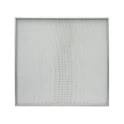
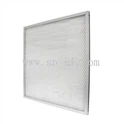
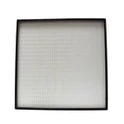
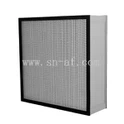
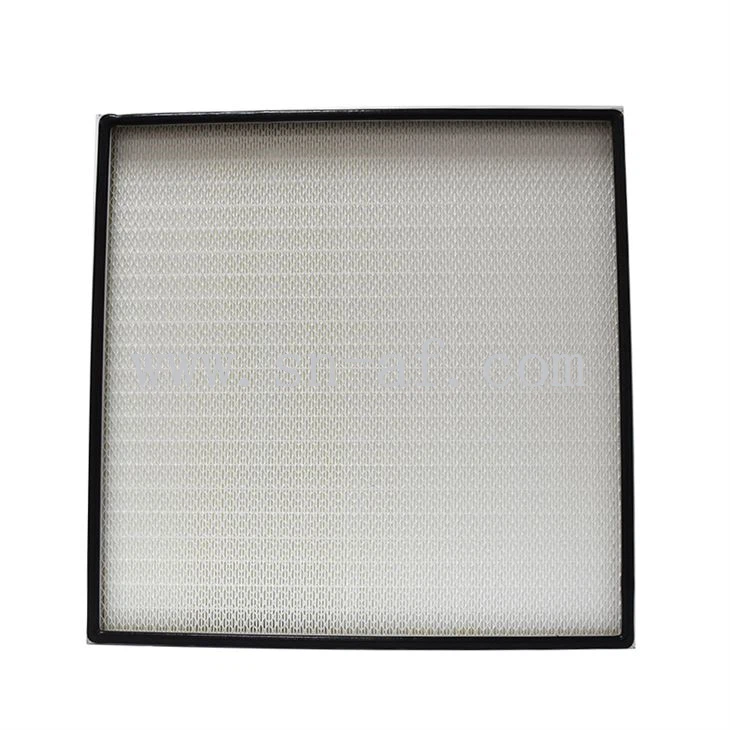
First things first, you might be wondering what exactly Separator HEPA Filters are. HEPA stands for High - Efficiency Particulate Air, and these filters are designed to trap tiny particles from the air. Separator HEPA Filters have a special design with separators that help maintain the shape and spacing of the filter media. This ensures that air can flow through the filter evenly, while still capturing a large number of particles.
Understanding Allergies
Allergies are a common health issue that affects millions of people worldwide. They occur when your immune system overreacts to substances that are usually harmless, like pollen, dust mites, pet dander, and mold spores. When you come into contact with these allergens, your body releases chemicals like histamine, which can cause symptoms such as sneezing, itching, runny nose, and watery eyes.
How Separator HEPA Filters Work
Separator HEPA Filters work by using a combination of mechanical and electrostatic forces to capture particles. The filter media is made up of a fine mesh of fibers that create a maze for the air to pass through. As air flows through the filter, larger particles are trapped by impaction, which means they physically collide with the fibers and get stuck. Smaller particles are captured through interception and diffusion. Interception occurs when a particle follows the air stream and gets caught on the fibers, while diffusion is the random movement of particles that causes them to collide with the fibers and be captured.
The efficiency of a HEPA filter is measured by its ability to capture particles of a certain size. A true HEPA filter is required to capture at least 99.97% of particles that are 0.3 microns in diameter. This includes most common allergens, such as pollen (which can range from 10 - 100 microns), dust mites (about 0.2 - 0.3 mm), and pet dander (usually around 5 - 100 microns).
Do They Really Help with Allergies?
The short answer is yes, Separator HEPA Filters can be very helpful for people with allergies. By removing allergens from the air, these filters can reduce the amount of allergens you're exposed to, which in turn can help alleviate allergy symptoms.
For example, if you're allergic to pollen, having a Separator HEPA Filter in your home can help filter out pollen particles that may have entered through open windows or on your clothes. Similarly, if you have pets, the filter can capture pet dander, which is a common allergen. And for those allergic to dust mites, the filter can trap the tiny particles that are released into the air when you move around on your bed or couch.
A study published in the Journal of Allergy and Clinical Immunology found that using HEPA filters in the home can significantly reduce indoor allergen levels. Subjects in the study reported a decrease in allergy symptoms such as sneezing, itching, and nasal congestion after using HEPA filters for a few weeks.
Different Types of Separator HEPA Filters
There are several types of Separator HEPA Filters available, each with its own features and benefits.
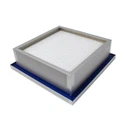
One popular type is the Gel Seal HEPA Filter. This filter uses a gel seal to prevent air from leaking around the edges of the filter. The gel forms a tight seal, ensuring that all the air passing through the filter has to go through the filter media, which increases its efficiency.
The H13 Mini - Pleat HEPA Filter is another great option. The mini - pleat design allows for a larger surface area of filter media within a smaller space. This means that it can capture more particles without restricting the air flow too much. The H13 rating indicates that it can capture at least 99.97% of particles 0.3 microns in diameter.
The H11 Mini - Pleat Filter is a bit less efficient than the H13 filter, but it still offers good performance. It can capture around 95% of particles 0.3 microns in diameter, and it's a more cost - effective option for some applications.
Factors to Consider
When choosing a Separator HEPA Filter for allergy relief, there are a few factors you should consider.
First is the size of the filter. You need to make sure the filter is the right size for your air purifier or HVAC system. An incorrectly sized filter won't fit properly, which can lead to air leaks and reduced efficiency.

The air flow rate is also important. A filter with a high air flow rate can clean the air in a room more quickly, but it may also make more noise. You'll need to find a balance between air flow and noise level based on your preferences.
Another factor is the lifespan of the filter. Some filters need to be replaced more often than others. Regularly replacing the filter is crucial to maintain its effectiveness.
Real - Life Experiences
I've had many customers tell me about their positive experiences with our Separator HEPA Filters. One customer, Sarah, was really suffering from seasonal allergies. She had tried various over - the - counter medications, but they only provided temporary relief. After installing a H13 Mini - Pleat HEPA Filter in her bedroom, she noticed a significant reduction in her allergy symptoms. She could sleep better at night and felt less tired during the day.
Another customer, Mark, had a cat but was allergic to pet dander. He was worried he might have to give up his furry friend. But after using a Gel Seal HEPA Filter in his living room, he was able to keep his cat and enjoy a more comfortable living environment.
Conclusion
So, to sum it all up, Separator HEPA Filters are indeed very helpful for people with allergies. They can effectively remove common allergens from the air, which can lead to a reduction in allergy symptoms. Whether you're allergic to pollen, dust mites, pet dander, or mold spores, there's a Separator HEPA Filter out there that can help you breathe easier.
If you're interested in purchasing our Separator HEPA Filters or have any questions about which filter is right for you, don't hesitate to reach out and start a procurement discussion.
References
- Journal of Allergy and Clinical Immunology study on HEPA filters and indoor allergen levels