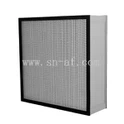
As a PTFE filter supplier, I've been frequently asked whether PTFE filters can be used in combination with other materials. This is a question that delves into the versatility and practical applications of PTFE filters in various industries. In this blog post, I'll explore the possibilities of PTFE filters working in tandem with other materials, the benefits of such combinations, and specific applications where these combinations shine.
Understanding PTFE Filters
PTFE, or polytetrafluoroethylene, is a high - performance synthetic fluoropolymer. PTFE filters are known for their exceptional chemical resistance, low friction coefficient, high temperature tolerance, and excellent non - stick properties. These characteristics make PTFE filters suitable for a wide range of applications, from air filtration in clean rooms to liquid filtration in chemical processing plants.
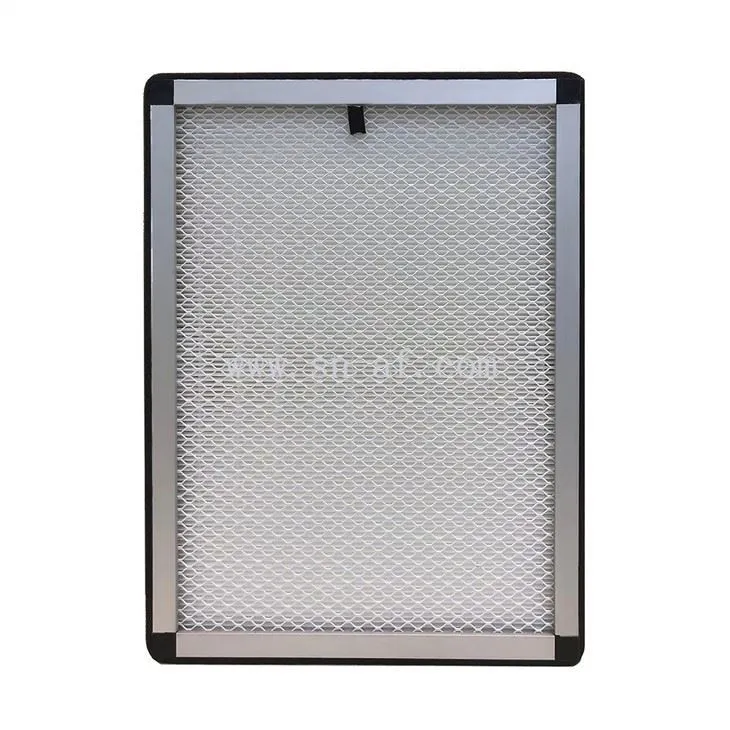

One of the key advantages of PTFE filters is their porosity. They can be engineered to have specific pore sizes, which allows for precise filtration of particles. Whether it's filtering out fine dust in the air or separating micro - organisms in a liquid, PTFE filters can be tailored to meet the requirements of different filtration tasks.
Combinations with Other Materials
Combination with Fiberglass
Fiberglass is a commonly used material in filtration due to its high strength, heat resistance, and relatively low cost. When combined with PTFE filters, fiberglass can serve as a support layer. The PTFE membrane provides the actual filtration function, while the fiberglass layer adds mechanical strength to the filter. This combination is often used in high - temperature air filtration applications, such as in industrial ovens or incinerators.
The PTFE membrane can effectively capture fine particles, while the fiberglass support ensures that the filter can withstand the high temperatures and mechanical stresses associated with these environments. This type of combination not only improves the overall performance of the filter but also extends its service life.
Combination with Activated Carbon
Activated carbon is well - known for its ability to adsorb organic compounds, odors, and certain gases. When PTFE filters are combined with activated carbon, the resulting filter can perform both particulate filtration and gas adsorption. This is particularly useful in air purification systems, such as those used in hospitals, laboratories, or industrial facilities where both dust and harmful gases need to be removed from the air.
The PTFE filter first captures solid particles, while the activated carbon layer adsorbs volatile organic compounds (VOCs), odorous substances, and other gaseous contaminants. This multi - stage filtration process provides a more comprehensive solution for air quality improvement. For more information on high - performance air filters, you can visit EPTFE Pleated HEPA Air Purifier Filter.
Combination with Metal Mesh
Metal mesh is often used in combination with PTFE filters for applications where high mechanical strength and durability are required. In industrial processes such as oil and gas filtration, the metal mesh can act as a pre - filter, capturing larger particles and protecting the more delicate PTFE membrane.
The metal mesh also provides a rigid structure that can withstand high pressures and harsh operating conditions. The PTFE filter then takes over to capture the finer particles, ensuring a high - level of filtration. This combination is also used in some water treatment applications where the filter needs to handle large volumes of water and resist corrosion.
Benefits of Combining PTFE Filters with Other Materials
Enhanced Filtration Efficiency
By combining PTFE filters with other materials, we can take advantage of the unique properties of each material to achieve a higher level of filtration. For example, in a PTFE - activated carbon combination, the PTFE membrane filters out large and small particles, while the activated carbon targets gaseous contaminants. This dual - action approach ensures that the air or liquid being filtered is free from both solid and gaseous pollutants.
Improved Durability
The addition of a support material such as fiberglass or metal mesh can significantly improve the durability of a PTFE filter. These support materials can protect the PTFE membrane from mechanical damage, such as abrasion or tearing, and also help the filter withstand high pressures and temperatures. As a result, the filter has a longer service life and requires less frequent replacement, which can reduce operating costs in the long run.
Customization
Combining PTFE filters with other materials allows for greater customization of filtration solutions. Different combinations can be tailored to meet the specific needs of different industries and applications. Whether it's a high - temperature air filtration system for a manufacturing plant or a complex water treatment system for a municipal facility, we can design a filter that combines PTFE with the most suitable materials to achieve the desired filtration performance.
Specific Applications
Clean Room Filtration
In clean rooms, maintaining a high level of air cleanliness is crucial. PTFE filters can be combined with other materials such as fiberglass or activated carbon to achieve multiple levels of filtration. The PTFE membrane can capture ultra - fine particles, while the additional layers can remove other contaminants such as odors or volatile organic compounds. For more details on PTFE filters used in clean rooms, visit PTFE Filter Clean Room.
Chemical Processing
In chemical processing plants, PTFE filters are often used in combination with metal mesh or other corrosion - resistant materials. These filters are used to separate solids from liquids or gases in a variety of chemical reactions. The PTFE membrane provides excellent chemical resistance, while the support material ensures the mechanical integrity of the filter.
Food and Beverage Industry
In the food and beverage industry, PTFE filters combined with other materials can be used for both product filtration and environmental air filtration. For example, a PTFE - activated carbon filter can be used to remove impurities and off - flavors from beverages, while a PTFE - fiberglass filter can be used to purify the air in food processing areas, preventing contamination by dust and other airborne particles.
Conclusion
In conclusion, PTFE filters can indeed be used in combination with other materials, and these combinations offer numerous benefits in terms of enhanced filtration efficiency, improved durability, and customization. The unique properties of PTFE make it an ideal material for filtration, and when combined with other materials such as fiberglass, activated carbon, or metal mesh, it can provide solutions for a wide range of industrial and commercial applications.
If you are in need of high - quality PTFE filters and are interested in exploring the possibilities of material combinations for your specific filtration needs, we invite you to contact us for a procurement discussion. Our team of experts can help you design the most suitable filter solution for your application.
References
- "Handbook of Filter Media" by Klaus W. Walzel
- "Filtration and Separation Technology" by Peter A. Wakeman and Ajit K. Tarafdar
- Various technical papers on PTFE and filtration published in industrial and academic journals.